
Newsletter – 2026 – June
President's Message
 President’s Message
By Jennifer Spencer, Texas A&M AgriLife
2025-2026 DCRC President
As we begin to enter summer, I hope everyone stays cool, enjoys plenty of ice cream, and takes time to celebrate June Dairy Month. This season always serves as an important reminder of the dedication, innovation, and resilience of dairy producers and allied industry professionals who continue to move our industry forward every day.
The DCRC Program Committee and Board of Directors have begun planning presenters for the 2026 DCRC Annual Meeting, which will be held Nov. 10-12, in Columbus, Ohio. The board and program committee are actively working to develop another outstanding conference with renowned researchers and allied industry members focused on the latest advancements in dairy cattle reproduction, management strategies, and emerging technologies. We look forward to bringing together producers, veterinarians, consultants, researchers, students, and allied industry professionals from across the dairy industry for another exceptional opportunity to learn, collaborate, and network.
I want to extend my sincere appreciation to everyone who submitted nominations for the DCRC Excellence in Dairy Reproduction Awards program this year. These awards continue to highlight the exceptional reproductive management and commitment to excellence demonstrated by dairy producers around the world. The success of this program depends heavily on the support and engagement of veterinarians, consultants, extension specialists, and industry professionals who take the time to recognize outstanding herds and share their success stories. This year, DCRC received 98 nominations, representing 19 states and five countries. This program demonstrates the importance of recognizing reproductive excellence and sharing practical examples of successful herd management strategies across the industry.
DCRC Scholar: Iago Leão
In addition, I would like to congratulate our 2026 DCRC Scholar Award recipient, Iago Matheus Rosa Leão, a PhD candidate in the School of Veterinary Medicine at the University of Wisconsin-Madison. A veterinarian from Minas Gerais, Brazil, Leão’s passion for dairy cattle started on his grandfather’s dairy farm. He earned his Doctor of Veterinary Medicine degree from Uberlandia Federal University (UFU), where he worked as a teaching assistant. Also, he interned with Ricarda Maria dos Santos, a UFU bovine reproductive physiology researcher. Leão gained enriching insights and hands-on experience in dairy cattle reproduction, under the guidance of dos Santos.
Leão’s master’s degree work at UW-Madison, under the guidance of JP Martins, focused on improving resynchronization programs for lactating dairy cows. His initial PhD research addressed developing a synchronization of ovulation protocol for dairy heifers that does not use progesterone (P4) implants. Currently, his research project aims to establish the hormonal profile of lactating dairy cows with early pregnancy loss, which is a major reproductive issue in dairy farms.
The DCRC Scholar program continues to recognize and support emerging leaders who are committed to advancing dairy cattle reproduction through research, education, and industry engagement. We look forward to seeing Leão’s future contributions and thank all applicants and mentors who participated in this year’s program.
Join DCRC
Another important reminder for our members is that DCRC membership renewals began June 1. Membership remains one of the best ways to stay connected with the latest research, educational resources, and industry discussions focused on improving reproductive performance on dairies worldwide.
DCRC offers several membership categories to help meet the needs of industry professionals, students, and international partners. Professional memberships are available for $175 annually, while student memberships are available for $25 annually. Members receive access to extensive educational resources from past conferences, previous DCRC e-newsletters, webinars, networking opportunities with leading dairy reproduction professionals, and other tools designed to support on-farm reproductive success.
For our partners outside of North America, DCRC also offers an International E-Membership for $75 annually. This membership category provides access to webinars, archived educational materials, newsletters, and Ask the Expert resources, while supporting broader global participation in DCRC programming.
In addition, DCRC continues to offer free, three-month trial memberships for both students and international participants, allowing new members an opportunity to experience the educational and networking benefits of the organization before committing to full membership. We encourage anyone interested in dairy cattle reproduction to consider becoming involved with DCRC and taking advantage of these valuable resources.
Webinars offer great information
As part of our continued educational programming, DCRC hosted another successful webinar in April – “Effects of Rumen-protected Choline on Health and Reproduction of Dairy Cows,” presented by Fabio Lima from the University of California-Davis. During the webinar, Lima discussed the role of rumen-protected choline in supporting metabolic health, milk production, and reproductive efficiency in modern dairy systems. He also reviewed findings from recent field trials and meta-analyses examining the impacts of choline supplementation on transition cow management, metabolic disorders, reproductive performance, and dairy sustainability.
The DCRC webinars continue to provide valuable science-based information that producers and industry professionals can apply directly to dairy operations. As always, DCRC members who were unable to attend the live webinar can access the archived recording and educational materials through the DCRC website. Veterinarians can earn continuing education credits by attending DCRC webinars. Read the webinar article in this newsletter to learn about the DCRC webinars being presented on July 8 (presented in Portuguese), July 29, and Aug. 20.
Repro management involves multiple components
As we reflect on the many discussions occurring throughout the dairy industry, it is clear that reproductive management is no longer a standalone component of herd management; it is deeply interconnected with economics, labor, technology, sustainability, and long-term herd strategy. At DCRC, our mission remains to bridge science and application by providing producers, veterinarians, consultants, and industry partners with the knowledge and tools needed to make informed, strategic decisions.
I encourage you to stay engaged with DCRC throughout the year via our webinars, resources, membership opportunities, and upcoming events. Our goal is to continue fostering collaboration, advancing reproductive efficiency, and supporting innovation across all sectors of the dairy industry.
Serving as your president is an honor and I look forward to working alongside all of you as we continue to strengthen the future of dairy reproduction.
Research Summaries
Effect of progesterone supplementation during the first follicular wave and delaying induced luteolysis with a single prostaglandin F2α on time of luteolysis and ovulation in Holstein heifers
Iago M.R. Leão, Everardo Anta-Galván, Marcelo S. El Azzi, Teresita Valdés-Arciniega, and João Paulo N. Martins
This study evaluated the effects of progesterone (P4) supplementation during the first follicular wave and delayed induced luteolysis using a single PGF2α (prostaglandin) treatment in a modified 5-day CoSynch protocol in Holstein heifers. The objectives were to assess how removing P4 affects follicular and luteal dynamics, and whether a single PGF treatment 6 days after gonadotropin releasing hormone (GnRH) maintains synchronization efficiency. The authors hypothesized that P4 supplementation during the first follicular wave would reduce follicular growth rate and delay ovulation and timing of estrous expression, while a single PGF treatment without P4 would increase ovulatory follicle size without reducing luteolysis efficiency.
Study population and outcomes assessed
- Holstein heifers were pre-synchronized with PGF2α on day -2 and treated with GnRH on day 0 to induce the first follicular wave of the estrous cycle.
- Heifers were randomly assigned to 3 treatment groups on day 0 (n=34/treatment):
- G5PP-P4: progesterone insert from day 0 to day 5 + PGF2α on days 5 and 6
- G5PP: PGF2α on days 5 and 6, without progesterone supplementation
- G6P: single PGF2α treatment on day 6
- Only heifers that underwent luteolysis and ovulation after synchronization were included in the final analysis.
Results
- Heifers supplemented with progesterone had higher serum progesterone concentrations from days 1 to 5 than heifers not supplemented.
- The G5PP-P4 group showed slower follicular growth and smaller dominant follicles at PGF treatment.
- The G6P group had the largest dominant follicles at PGF administration.
- All G5PP-P4 heifers reached low progesterone levels (P4 ≤0.45ng/mL) by 36 hours.
- All G5PP heifers reached the threshold by 48 hours.
- Only 80% of G6P heifers achieved the same threshold by 48 hours.
- No significant differences were observed among treatments in presence of functional corpus luteum, estrous expression overall ovulation after PGF-1.
- G6P heifers had a shorter interval to ovulation but ovulated older and larger follicles.
In conclusion, eliminating progesterone supplementation and using a single PGF2α dose on day 6 altered follicular dynamics and ovulation timing but resulted in a similar proportion of heifers ovulating by the end of the protocol. However, a single PGF2α treatment on day 6 after GnRH appeared less effective at inducing luteolysis compared with two PGF2α treatments on days 5 and 6. Further research is needed to determine whether these protocol modifications affect fertility outcomes in timed artificial insemination programs for dairy heifers.
Short communication: Reproduction outcomes in dairy heifers following a 14-day progesterone insert presynchronization protocol
C.K. Claypool, J.A. Spencer, S. Menegatti Zoca, B. Shafii, W.J. Price, A. Ahmadzadeh, N.R. Rimbey, and J.C. Dalton
The primary aim of this study was to evaluate pregnancy per artificial insemination (P/AI), days to first AI, and the proportion of heifers pregnant within 7 days of AI eligibility in dairy heifers subjected to presynchronization compared with heifers not presynchronized. The research tested whether a 14-day controlled internal drug release (CIDR) presynchronization protocol (followed by prostaglandin F2α [PGF₂α]) would improve estrous detection, reduce days to first AI, and increase early pregnancy establishment relative to PGF₂α presynchronization or no presynchronization, with all inseminations performed upon detected estrus using conventional semen.
Study population and outcomes assessed
- 358 Holstein heifers at a commercial heifer-raising facility in Southwest Idaho, meeting breeding eligibility criteria (body weight [BW] ≥390.1 kg [860 pounds], withers height ≥129.54 cm [4.25 feet], age ≥12.5 months).
- Randomized 30 days before AI eligibility (day 0) into three groups:
- 14-day CIDR presynchronization (n=119): CIDR inserted on day -30 and removed on day -16, followed by PGF₂α on day 0.
- PGF₂α presynchronization (n=118): PGF₂α injections on day -11 and day 0.
- Control (n=121): Single PGF₂α injection on day 0 (standard farm practice).
- All heifers received tail paint on day 0 for once-daily estrous detection; AI performed the same morning estrus was detected using conventional semen.
- Key outcomes: Proportion detected in estrus in the first 7 days after eligibility, days to first AI, P/AI for first AI within 7 days of eligibility, proportion pregnant within 7 days of eligibility, projected days on feed to calving, and estimated economic benefit.
Results
- A greater proportion of heifers were in estrus during the first 7 days of eligibility in the 14-day CIDR group (95.8%) compared with the PGF₂α group (74.6%) and control group (66.9%; P < 0.05).
- Days to first AI were shortest in the 14-day CIDR group (3.6 ± 0.4 days), intermediate in the PGF₂α group (5.0 ± 0.4 days), and longest in the control group (6.8 ± 0.5 days; P < 0.01).
- The P/AI for the first AI within 7 days of eligibility was 71.9% (82/114) for 14-day CIDR, 58.0% (51/88) for PGF₂α, and 61.7% (50/81) for control (P < 0.05).
- The proportion of heifers pregnant within the first 7 days of breeding eligibility was greater for 14-day CIDR (68.9%) than for PGF₂α (43.2%) or control (41.3%; P < 0.05).
- Projected days on feed (day 0 to projected calving) were fewer for 14-day CIDR heifers (295 days) compared with control (305 days; P < 0.05), with PGF₂α intermediate (302 days), with an estimated economic benefit of $15.85 per heifer for the 14-day CIDR protocol compared with the control.
In conclusion, the 14-day CIDR protocol improved estrous detection, reduced days to first AI, and increased the proportion of dairy heifers pregnant within the first 7 days of eligibility compared with a single PGF₂α injection or no presynchronization. It also shortened projected days on feed and offered economic benefits. The authors conclude that the 14-day CIDR protocol is an effective tool for improving reproductive efficiency and lowering rearing costs in dairy heifer programs.
Access the paper at: https://doi.org/10.3168/jds.2019-17000
Assessing long-term changes in endometrial morphology and functionality in dairy cows with metritis
M.H. Rashid, A. Martelo Pereira, F.N.S. Pereira, M.C. Oliveira Costa, E.F. Santos, L. Christensen, J.A. Sexton, M. Ciccarelli, L.B. Williams, M. Binelli, M.S. Waqas, E.B. de Oliveira, and C.C. Figueiredo
This study investigated whether postpartum metritis causes long-term uterine changes associated with metritis, with particular emphasis on the uterine fluid metabolome. The authors hypothesized that cows previously affected by metritis exhibit long-term differences in endometrial morphology and function, including the uterine fluid metabolome, compared with cows without metritis. Metritis is associated with reduced fertility, but persistent uterine effects are not well understood.
Study population and outcomes assessed
- Cohort of 107 postpartum Holstein cows was enrolled.
- Metritis was diagnosed using a Metricheck device within 12 days in milk (DIM) based on the presence of fetid, watery, reddish-brown vaginal discharge (VD).
- Nine cows diagnosed with metritis (MET) and treated with ceftiofur were selected.
- Nine healthy control cows (NoMET) were paired with the MET cows.
- Pairing was based on similar parity and days in milk.
- Cows were not inseminated to avoid semen or conceptus-derived signals influence.
- Outcomes assessed were endometrial morphology via histology, endometrial gene expression using RNA sequencing and uterine fluid metabolomic profiles.
Results
- MET cows showed a higher prevalence of periglandular fibrosis compared with controls (63% vs. 44%).
- Transcriptomic analysis identified 17 differentially expressed genes, including upregulation of tissue repair-related genes in MET cows.
- No significant differences were detected in uterine fluid metabolomic profiles between groups.
In conclusion, metritis was associated with persistent alterations in endometrial morphology and gene expression months after clinical resolution, although these changes were not reflected in the uterine fluid metabolome, suggesting potential long-term effects on uterine health and fertility.
Access the paper at: Assessing Long‐Term Changes in Endometrial Morphology and Functionality in Dairy Cows With Metritis
Featured Column
Integrating beef genetics into dairy operations boosts revenue outlook
While dairy cows have always produced milk – and beef – that beef component has become increasingly important over the last decade.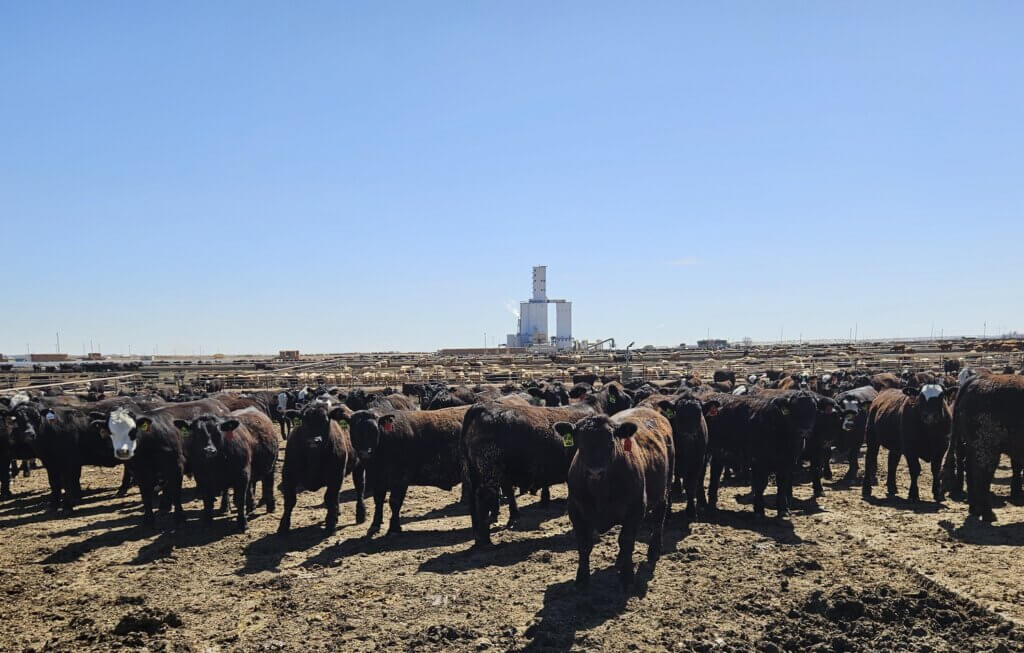
During the 2025 Dairy Cattle Reproduction Council (DCRC) Annual Meeting, Neil Mellers, Ranch2Retail (R2R) general manager, described how the integration of beef genetics into dairy operations has reshaped the revenue outlook for dairy producers creating beef-on-dairy (BxD) calves. Historically, non-replacement calves carried low value. Today, BxD calves are valuable assets that fetch high prices after they’re harvested. “To fully leverage this opportunity, dairy producers must align breeding and management decisions – not only for production efficiency – but also in response to retailers’ and consumers’ expectations.”
Beef demand remains resilient
Despite strong retail prices, beef demand remains resilient, Mellers noted. With those strong prices come high expectations. “Today’s beef consumers expect more than ‘just beef’,” he commented.
In addition to price/value, consumers search for taste, consistency, convenience and transparency. A Numerator and R2R consumer study found that 71% of consumers eat beef at least weekly and more than 80% plan to maintain or increase beef consumption, despite inflation.
A DCRC Annual Meeting topic for the past decade, the BxD strategy is not a “niche experiment” or “fad.” Breeding dairy cattle with beef semen continues to help boost the U.S. beef supply chain.
For dairy producers generating BxD calves, consider these key tenets.
- Quality matters. Consumers increasingly expect a premium eating experience. Grading improvements, such as higher marbling, have helped beef stay relevant.
- Value and affordability still matter. Although consumers say they will maintain beef consumption, they are conscious of cost and may trade between cuts or protein categories as they manage budgets.
- Traceability and transparency are no longer optional. Consumers want to know more about where their meat comes from, how it was raised, and the supply chain’s integrity. Retailers are increasingly responding to that demand.
In short, if you’re producing BxD calves for the beef supply chain, you’re sitting in an advantageous niche. However, you also need to meet the rising bar for quality, consistency, and traceability.
Retailers demand reliability
“From the retailer’s viewpoint, sourcing beef is not simply about volume; it’s about reliability, specification compliance, and supply-chain story,” Mellers stated. “Dairy producers transitioning into BxD production must recognize what retailers value.” Two major imperatives stand out.
- Terminal focus and carcass specification. Retailers (and the feedlot/packer segment that serves them) demand consistency in carcass merit: muscle-to-bone ratio, yield, marbling, and endpoint performance. For BxD calves, this means the dairy producer must treat these animals strictly as terminal progeny – not as replacements or dual-purpose animals. “Holsteins crossed with high-performance beef sires offer marbling and carcass quality advantages,” said Mellers. “The key, however, is to select beef genetics that correct dairy shortfalls (such as loin, ribeye consistency) and emphasize traits like growth, feed efficiency, and meat yield.”
Mellers continued, “If your calves don’t meet the packer’s/retailer’s specifications, even if prices are high at the calf market, you may not capture downstream value.”
- Data, traceability, and transparency. Retailers are under pressure from consumers to provide assurances about origin, animal care, and production practices. Plus, they expect their supply-chain partners to deliver.
“Traceability is becoming a differentiator,” Mellers noted. “Producers who can show known-source calves, documented sire and dam, and health and management records often earn premiums.”
Lorna Marshall, Select Sires vice president of beef genetics, reported that value rises when “verified genetics” and source verification are documented.
Thus, most dairy producers are in a good position to receive BxD premiums, due to their existing strengths with detailed records, artificial insemination use, and herd management. “The next step is to leverage those records to meet retail-supply expectations – health protocols, sire identity, genetic data, and documented performance feedback,” Mellers added.
Planning for the future
For long-term value, Mellers suggested that dairy producers consider these strategic actions.
- Embrace terminal-only thinking. If you identify portions of your herd from which you will not keep replacements, using beef sires to produce high-value terminal calves makes sense. However, plan matings accordingly. Focus on beef traits, not maternal traits, when selecting sires for the terminal segment.
- Prioritize genetics, but within the supply-chain context. Work with beef-sire providers who can deliver expected carcass quality, growth, and feedlot performance. Use genomic tools or sire summary data when available. This aligns with what retailers ultimately buy.
- Build and use your traceability advantage. Elevate your data – sire/dam identity, calving ease, performance metrics, health/vaccination protocols, and post-harvest carcass feedback, if possible. This is increasingly part of conversations with feeders, packers, and retailers.
- Seek feedlot/packer feedback loops. Understanding how your calves perform downstream (e.g., carcass grade, yield, eating quality) turns your production into a data-informed value proposition. The closer you align with retail specifications, the greater your margin potential.
- Position for premium participation. The BxD segment often brings higher calf prices now, but don’t stop at the calf. Consider opportunities to participate further down the chain (e.g., retained ownership, value-added programs) or contract arrangements that link you to feedlot/packer/retail programs.
- Recognize the marketplace context. Despite increasing prices and strong demand, beef is still price sensitive and consumers are watching value. Retailers will weigh cost, supply risk, and consumer perception. To stay relevant, your product must deliver the story (quality, traceability, consistency) and fit into the retailer’s margin and supply-chain model.
Moving from price taker to valued partner
The BxD enterprise presents a great opportunity for dairy producers – by turning calves, which were once considered low value, into high-value contributions to the beef supply chain. “But success depends on more than just genetics and incentives,” Mellers stated. “Also, success depends on becoming part of the broader ‘ranch-to-retail’ ecosystem. Success in this ‘ecosystem’ strongly relies on quality, consistency, traceability, and transparency.”
Mellers continued, “Retailers and consumers no longer simply buy ‘beef.’ They also buy assurance, reliability, and story. If you can deliver calves that align with their needs, you shift from being a supplier to being a valued production partner. And when that happens, your production isn’t a commodity; it’s a branded asset.”
For dairy producers creating BxD calves, the task is clear. “Select with purpose, manage with precision, document with transparency, and engage with the downstream chain so you receive not just a price for the calf, but a value-driven return that reflects the product’s full potential,” Mellers remarked. “In doing so, you turn beef-on-dairy from a short-term price opportunity into a durable, differentiated business line.”
Featured Member
Editor’s Note: For each issue, DCRC interviews a member to learn more about his/her career, involvement with DCRC and thoughts about dairy cattle and reproduction.
Joao Paulo “JP” Andrade
West Texas A&M University
DCRC member since 2020
 Do you know who’s “behind” the informative Research Summaries provided in each Dairy Cattle Reproduction Council (DCRC) newsletter? The DCRC Education Committee chair and vice chair prepare those summaries.
This year’s DCRC Education Committee vice chair is Joao Paulo “JP” Andrade, an assistant professor of animal science at West Texas A&M University (WTAMU), Canyon, Texas. Born and raised on a family-owned dairy and beef farm in Minas Gerais, located in Southeast Brazil, Andrade earned his Doctor of Veterinary Medicine degree in 2015 and master’s degree in 2019 from the Federal Rural University of Rio de Janeiro. After graduation, he spent three years working as a reproductive consultant for dairy and beef cattle operations across Brazil. In 2024, Andrade completed his PhD in animal and dairy sciences at the University of Wisconsin-Madison. Andrade noted that the hands-on experiences he gained growing up on a farm inspired him to pursue a career in livestock production.
As a WTAMU assistant professor, Andrade enjoys working in the “heart of the nation’s cattle country.” “WTAMU is at the center of one of the fastest-growing dairy industries in the United States,” he remarked.
Andrade’s work focuses on bovine reproductive management. “My responsibilities include teaching undergraduate and graduate courses, conducting applied research in dairy cattle reproduction, and delivering extension services to producers across Texas and the region,” he explained.
From a young age, Andrade was fascinated by the central role reproduction plays in the bovine production cycle. “As a consultant, I witnessed firsthand how well-designed reproductive programs can dramatically improve herd dynamics and profitability,” he stated. “Today, as a researcher and educator, I am passionate about helping the next generation of students understand how to select and implement the most effective reproductive strategies for different production systems, while advancing the field through science-based innovation.”
To complement his formal education and field experiences, Andrade joined DCRC. “Through DCRC, I have gained a much deeper appreciation regarding the bridge between cutting-edge science and on-farm application,” he said. “The DCRC newsletter provides excellent, timely research summaries, while the annual meeting offers outstanding opportunities to learn from top producers and hear from leading speakers about emerging trends and practical reproductive technologies.”
Based on his training and research, Andrade feels this is one of the most exciting times in dairy reproduction. “We now have powerful tools available – fertility synchronization programs, activity monitors, beef-on-dairy breeding, and large-scale embryo transfer,” he shared. “The biggest challenge, however, is moving beyond a ‘one-size-fits-all’ approach. With the increasing scale of operations – especially in the West (United States) – the real challenge is helping producers think strategically and implement customized reproductive programs that best fit their specific management style, facilities, and goals.”
Dr. Stevenson Tribute
Remembering Jeffrey S. Stevenson
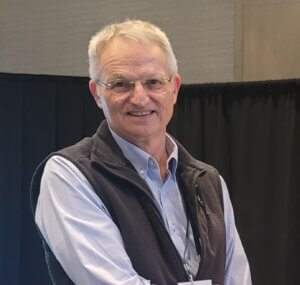 The Dairy Cattle Reproduction Council “family” lost a key member – Jeffrey S. Stevenson – on May 17. Dr. Stevenson was instrumental in creating DCRC and carrying out its mission, along with serving on its board of directors several years. Read his obituary here.
Many thanks go to those who shared fond memories of Jeff via Facebook and LinkedIn.
Jeff was my (Jack Britt) graduate student for his master’s degree at Michigan State University and PhD at North Carolina State University. We had a multidimensional program in reproduction and his master’s degree was with dairy cattle and his PhD with swine. He was a great colleague.
I (Ken Odde) was honored to serve as Jeff’s department head from 2007-2018. Jeff was an outstanding faculty member and scientist. I was most impressed with his leadership, both at K-State and nationally in the dairy industry. He was the ultimate team player!
Dr. Stevenson was a friend of the dairyman and spent incalculable time shoulder-to-shoulder with the producers across the state. He made such a difference in their lives and operations.
I (Gerald Higginbotham) always enjoyed picking his brain related to improving reproductive efficiency in high-producing dairy cows.
A true legend in dairy cattle reproductive physiology. No telling how many herds have been impacted by his research.
Dr. Stevenson was a great instructor. I (Dave Hasemann) had him several years ago for dairy science and farm animal reproduction. He will be missed.
One of the best researchers and humans on the planet. Sorry to hear of his passing. Jeff was a friend and mentor to many people.
Dr. Stevenson was my (Morganne Zabokrtsky Kostal) advisor all four years during my time at Kansas State University. He always had great advice and insight. Wonderful guy and professor!
What a wonderful life of impact and service.
Good man!
Dr. Stevenson was the professor who oversaw my (Rebecca Fritz) master’s degree program. An incredible scholar that I was lucky to learn from.
A true mentor and friend. Jeff’s priorities were 1) faith, 2) family, 3) Boy Scouts and 4) GnRH (gonadotropin releasing hormone). Rest in peace – good and faithful servant.
I (Casey Hushon) had the opportunity to work at Charleston|Orwig on the DCRC account and really enjoyed the years I had the opportunity to work with Jeff. Sorry to hear of his passing.
Upcoming Webinars
DCRC offers July 8, July 29, August 20 webinars
The Dairy Cattle Reproduction Council scheduled three webinars – July 8 and 29, and Aug. 20. All three webinars start at 2 p.m. Central time (Chicago time). The two webinars being presented in English (July 29 and Aug. 20) each provide one RACE-approved continuing education credit for veterinarians.
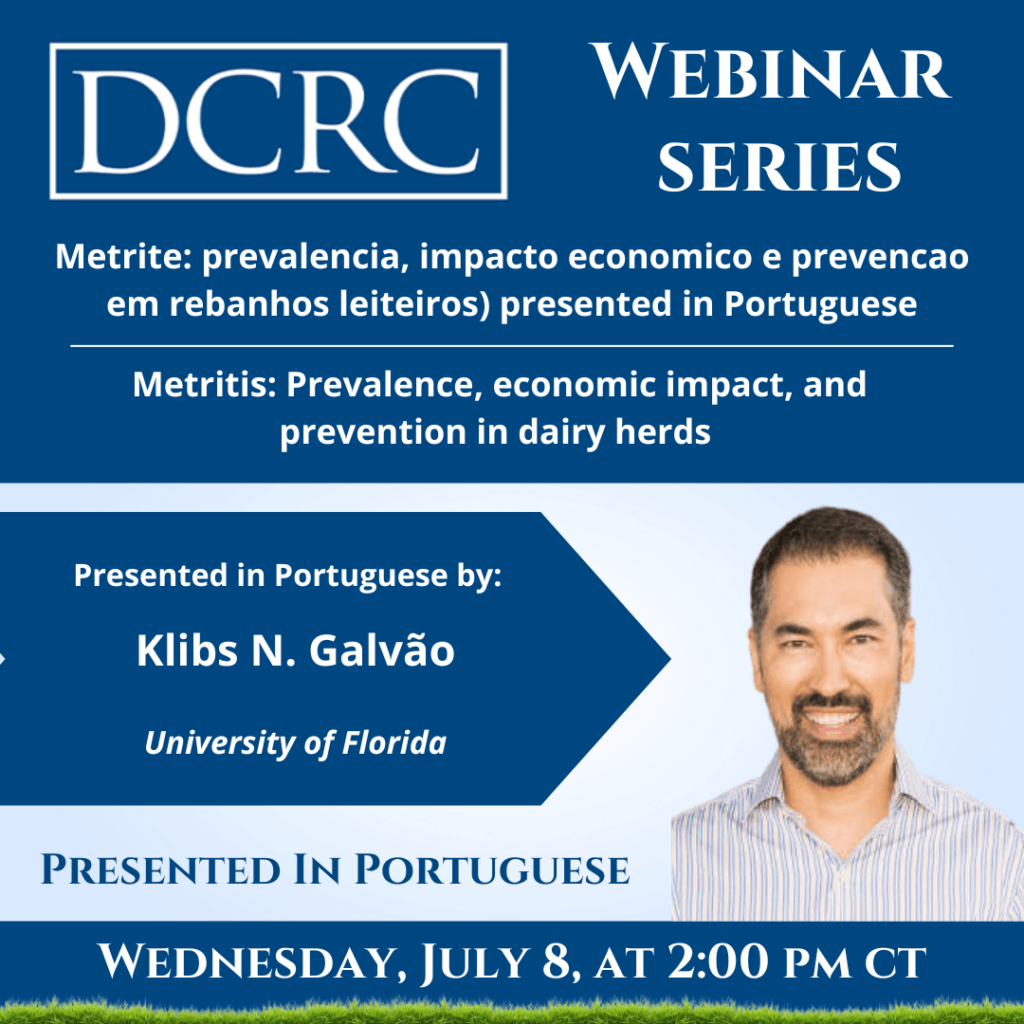 July 8 (presented in Portuguese)
Metritis: Prevalence, economic impact, and prevention in dairy herds (Metrite: prevalencia, impacto economico e prevencao em rebanhos leiteiros) presented in Portuguese)
Klibs N. Galvão, University of Florida
To register for this webinar, go to: https://bit.ly/DCRCWebJuly8.
Metritis is highly prevalent and typically treated with antibiotics. When making antibiotic treatment decisions, consider cow welfare, increased antimicrobial resistance, and the economic impact of not treating the cow. Treatment with antibiotics increases the cure rate; therefore, considering the welfare of cows diagnosed with metritis, the increase in cure rate alone might justify antibiotic treatment. However, metritis has a high self-cure rate. Thus, leaving cows untreated at the time of metritis diagnosis and only treating those that do not self-cure or present worsening of clinical signs might slow the development of antimicrobial resistance. Looking at the economic impact, antibiotic treatment resulted in decreased metritis-related costs, mostly due to reduced milk losses.
Galvão is a professor of food animal reproduction and medicine in the department of large animal clinical sciences at the University of Florida. He completed a residency in dairy production medicine and a master’s degree in preventive veterinary medicine at the University of California-Davis, and then earned a PhD in reproductive physiology at Cornell University. Galvão’s research focuses on uterine immunology and microbiology in health and disease, epidemiological investigation of the risk factors for uterine disease, development of therapeutics for prevention and treatment of uterine disease, and the use of herd simulation models and budget impact analysis to understand how uterine disease and impaired fertility affect the profitability of dairy herds.
July 29
Extended lactations and cow longevity: How long is long enough?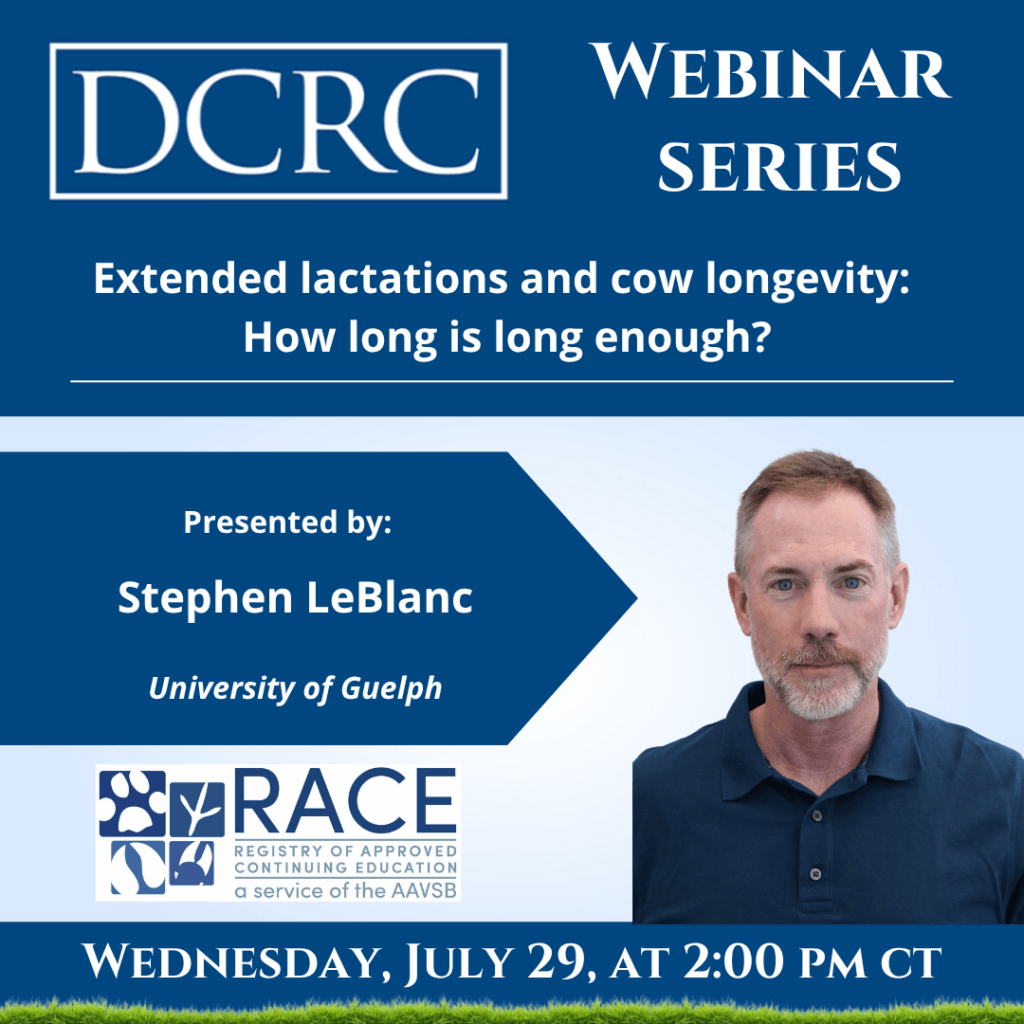
Stephen LeBlanc, University of Guelph
To register for this DCRC webinar, go to: https://bit.ly/DCRCWebJuly29.
There are discussions in the dairy industry about whether it should be an explicit aim to increase longevity. Some assert that retaining cows for more years or extending lactation length contributes to sustainability, because fewer replacement animals would be needed – reducing the environmental costs of these non-productive animals. However, these claims should be considered critically. LeBlanc will outline why longevity is not a measure of animal welfare or profitability, and why we should seek to optimize – not maximize – longevity for each cow and herd.
LeBlanc is a professor in the department of population medicine at the University of Guelph and director of Dairy at Guelph – The Centre for Dairy Research and Innovation. He received a bachelor’s degree in animal science from McGill University in 1992 and a Doctor of Veterinary Medicine degree in 1997 and DVSc in 2001 from the University of Guelph. His research focuses on dairy cow metabolic and reproductive health and management, precision technologies and antimicrobial stewardship. With graduate students and collaborators, this work has resulted in more than 200 peer-reviewed papers.
August 20
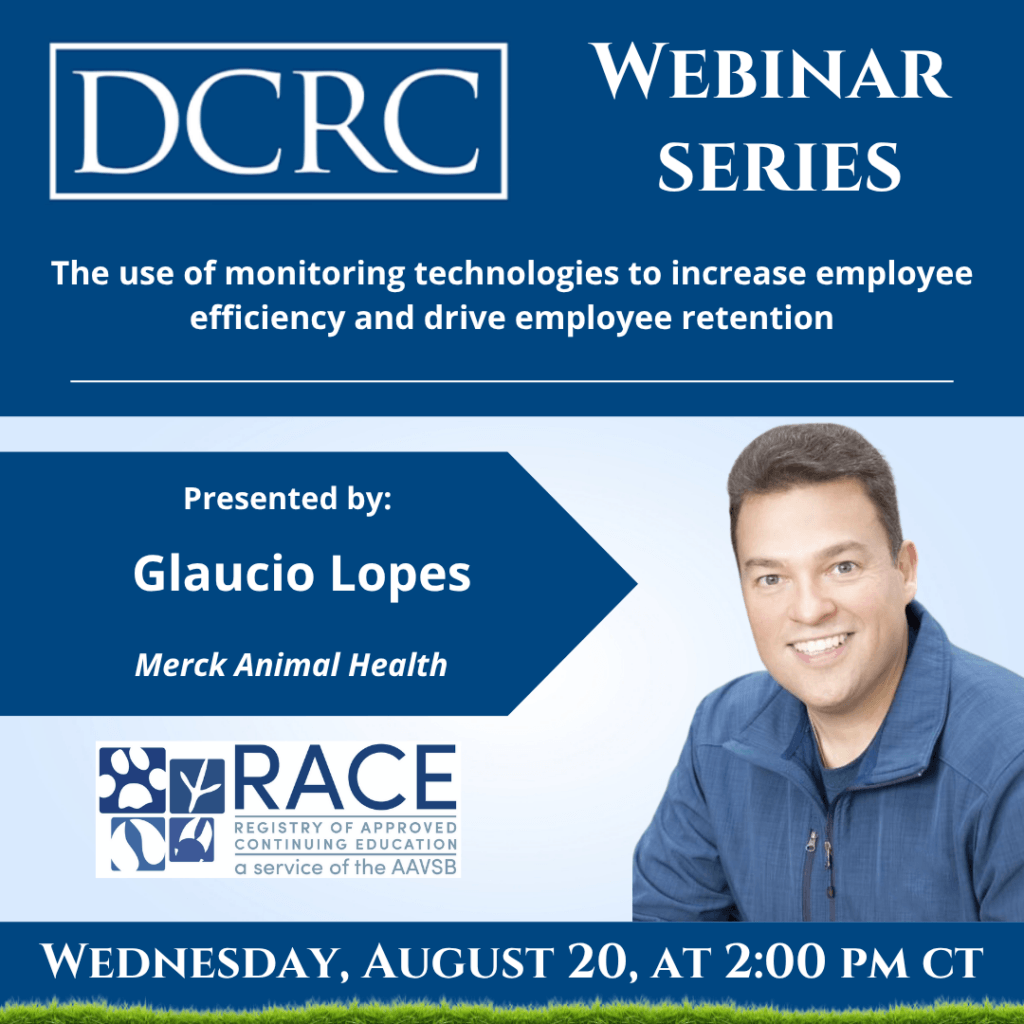 The use of monitoring technologies to increase employee efficiency and drive employee retention
Glaucio Lopes, Merck Animal Health
To register for this DCRC webinar, go to: https://bit.ly/DCRCWebAug20.
During this presentation, Lopes will discuss how monitoring technologies have been used in large, progressive dairy operations in the United States. Also, he will describe the process of having different stakeholders at the dairy to embrace and use technology, and the challenges they face during implementation. With farm performance data, attendees will learn how the use of technology is paramount to increasing efficiency and driving employee satisfaction and retention. Furthermore, the presentation will include a discussion of the benefits of using monitoring technologies and how the adoption and implementation of these technologies are helping owners increase their bottom line – driving efficiencies with the veterinarian, animals, and animal handlers.
A native of Brazil, Lopes received his Doctor of Veterinary Medicine degree from the Universidade Federal Fluminense in Niterói, Rio de Janeiro. Upon graduation, he practiced in small commercial dairy farms and beef operations as a veterinarian before joining Ricardo Chebel at the University of California-Davis. In California, Lopes worked in several research studies focused on reproduction of dairy cows and heifers; calf management, growth, and feed additives; and dairy production and health in large dairy farms. In 2011, he completed his master’s degree in reproductive physiology from the University of Wisconsin. His research focused on synchronization and resynchronization of ovulation protocols for fixed-time artificial insemination, use of electronic devices for estrous detection, and assessment of accuracy of blood tests for pregnancy diagnosis in dairy cattle.
If you are a DCRC member and cannot attend a live program, you may access the webinar recording at dcrcouncil.org two weeks following the live presentation.
Industry Calendar
- Four-State Dairy Nutrition and Management Conference, June 3-4, La Crosse, Wisconsin
- Cornell University: The Summer Dairy Institute, June 15-July 24, Ithaca, New York
- NMC Regional Meeting, June 16-18, Green Bay, Wisconsin
- American Dairy Science Association Annual Meeting, June 21-24, Milwaukee, Wisconsin
- Holstein Association USA National Convention, June 22-25, Orlando, Florida
- American Milking Shorthorn Society National Convention and Sale, June 24-27, Cortland, New York
- DCRC webinar (presented in Portuguese) with Klibs Galvão, July 8
- DCRC webinar with Stephen LeBlanc, July 29
- Dairy Calf & Heifer Association Vision and Training-Workforce, August 5, Plainview, Texas
- Council on Dairy Cattle Breeding Triannual Evaluation, August 11
- DCRC webinar with Glaucio Lopes, August 20
- Discover Conference 49 | Dairy and the Environment: Challenges and Opportunities, August 31-September 3, Itasca, Illinois
- European Federation of Animal Science Annual Meeting, September 7-11, Hamburg, Germany
- World Dairy Expo, September 29-October 2, Madison, Wisconsin
- Joint Annual Meeting of the National Dairy Promotion and Research Board, National Milk Producers Federation, and United Dairy Industry Association, October 19-21, Kissimmee, Florida
- Dairy Cattle Reproduction Council Annual Meeting, November 10-12, Columbus, Ohio
- Council on Dairy Cattle Breeding Triannual Evaluation, December 1
- NMC Annual Meeting, January 25-28, Jacksonville, Florida
- World Ag Expo, February 9-11, Tulare, California
- Professional Dairy Producers Business Conference, March 16-17, Wisconsin Dells, Wisconsin
- Central Plains Dairy Expo, March 23-25, Sioux Falls, South Dakota
- Dairy Calf & Heifer Association Annual Conference and Trade Show, April 13-15, Sioux Falls, South Dakota
