The Dairy Cattle Reproduction Council is focused on bringing together all sectors of the dairy industry – producers, consultants, academia and allied industry professionals – for improved dairy cattle reproductive performance. DCRC provides an unprecedented opportunity for all groups to work together to take dairy cattle reproduction to the next level.
Media Contact:
JoDee Sattler
Director of Communications
Dairy Cattle Reproduction Council
jodee@dcrcouncil.org
(414) 587-5839
DCRC’s August 20 webinar features the use of monitoring technologies to increase employee efficiency
New Prague, Minn. (July 30, 2026) – Join Dairy Cattle Reproduction Council (DCRC) for its next webinar – The use of monitoring technologies to increase employee efficiency and drive employee retention – set for Aug. 20, starting at 2 p.m. Central time (USA/Canada). Glaucio Lopes, Merck Animal Health associate director dairy monitoring, will present this free one-hour webinar.
Lopes will explore how monitoring technologies have been used in large, progressive dairy operations in the United States. He will describe the process of having different stakeholders at the dairy to embrace and use technology, and the challenges they face during implementation. With farm performance data, attendees will learn how the use of technology is paramount to increasing efficiency and driving employee satisfaction and retention. Furthermore, the presentation will include a discussion of the benefits of using monitoring technologies and how the adoption and implementation of these technologies are helping owners increase their bottom line – driving efficiencies with the animals and animal handlers.
To register for this DCRC webinar, go to: https://bit.ly/DCRCWebAug20. If you are a DCRC member and cannot attend the live program, you may access the webinar recording at www.dcrcouncil.org after Sept. 3.
A native of Brazil, Lopes received his Doctor of Veterinary Medicine degree from the Universidade Federal Fluminense in Niterói, Rio de Janeiro. Upon graduation, he practiced in small commercial dairy farms and beef operations as a veterinarian before joining Ricardo Chebel at the University of California-Davis. In California, Lopes worked in several research studies focused on reproduction of dairy cows and heifers; calf management, growth and feed additives; and dairy production and health in large dairy farms. In 2011, he completed his master’s degree in reproductive physiology from the University of Wisconsin. His research focused on synchronization and resynchronization of ovulation protocols for fixed-time artificial insemination, use of electronic devices for estrous detection and assessment of accuracy of blood tests for pregnancy diagnosis in dairy cattle. Lopes has worked for Accelerated Genetics, World Wide Sires, SCR Dairy and the URUS Group. Three years ago, he joined the Technology Solutions Team at Merck Animal Health.
Veterinarians and veterinary technicians may earn one Registry of Approved Continuing Education (RACE) credit for attending this DCRC webinar. To learn more about this opportunity, contact JoDee Sattler at: jodee@dcrcouncil.org.
For more information about DCRC’s webinars, e-mail Eduardo Oliveira, DCRC Education Committee chair, at: eduardo.oliveira@zoetis.com or e-mail DCRC at: jodee@dcrcouncil.org.
The Dairy Cattle Reproduction Council is focused on bringing together all sectors of the dairy industry – producers, consultants, academia and allied industry professionals – for improved reproductive performance. DCRC provides an unprecedented opportunity for all groups to work together to take dairy cattle reproduction to the next level.
Stephen LeBlanc to discuss ‘ideal’ cow longevity during DCRC webinar
New Prague, Minn. (July 9, 2026) – Mark your calendar to attend the July 29 Dairy Cattle Reproduction Council (DCRC) webinar, scheduled to start at 2 p.m. Central time (USA/Canada). University of Guelph’s Stephen LeBlanc, will address “Extended lactations and cow longevity: How long is long enough?” This one-hour webinar is free.
There are discussions in the dairy industry about whether it should be an explicit aim to increase longevity. Some assert that retaining cows for more years or extending lactation length contributes to sustainability, because fewer replacement animals would be needed – reducing the environmental costs of these non-productive animals. However, the questions should be considered critically. LeBlanc will outline why longevity is not a measure of animal welfare or profitability, and why we should seek to optimize – not maximize – longevity for each cow and herd.
To register for this DCRC webinar, go to: https://bit.ly/DCRCWebJuly29. If you are a DCRC member and cannot attend the live program, you may access the webinar recording at www.dcrcouncil.org after Aug. 12.
LeBlanc is a professor in the department of population medicine at the University of Guelph and director of Dairy at Guelph – The Centre for Dairy Research and Innovation. He received a bachelor’s degree in animal science from McGill University in 1992 and a Doctor of Veterinary Medicine degree in 1997 and DVSc in 2001 from the University of Guelph. His research focuses on dairy cow metabolic and reproductive health and management, precision technologies and antimicrobial stewardship. With graduate students and collaborators, this work has resulted in more than 200 peer-reviewed papers.
Veterinarians and veterinary technicians may earn one Registry of Approved Continuing Education (RACE) credit for attending this DCRC webinar. To learn more about this opportunity, contact JoDee Sattler at: jodee@dcrcouncil.org.
For more information about DCRC’s webinars, e-mail Eduardo Oliveira, DCRC Education Committee chair, at: eduardo.oliveira@zoetis.com or e-mail DCRC at: jodee@dcrcouncil.org.
The Dairy Cattle Reproduction Council is focused on bringing together all sectors of the dairy industry – producers, consultants, academia and allied industry professionals – for improved reproductive performance. DCRC provides an unprecedented opportunity for all groups to work together to take dairy cattle reproduction to the next level.
DCRC’s Portuguese webinar features metritis prevention, economic impact
New Prague, Minn. (June 11, 2026) – “Metritis: Prevalence, economic impact, and prevention in dairy herds” (Metrite: prevalencia, impacto economico e prevencao em rebanhos leiteiros), presented in Portuguese, is the featured topic for the next Dairy Cattle Reproduction Council (DCRC) webinar. The free webinar starts at 2 p.m. Central time (Chicago time) on July 8. Klibs N. Galvão, University of Florida, will serve as the instructor for this one-hour webinar.
To register for this webinar, go to: https://bit.ly/DCRCWebJuly8. If you are a DCRC member and cannot attend the live program, you may access the webinar recording at www.dcrcouncil.org after July 22.
Metritis is highly prevalent and typically treated with antibiotics. When making antibiotic treatment decisions, consider cow welfare, increased antimicrobial resistance, and the economic impact of not treating the cow. Treatment with antibiotics increases the cure rate; therefore, considering the welfare of cows diagnosed with metritis, the increase in cure rate alone might justify antibiotic treatment. However, metritis has a high self-cure rate. Thus, leaving cows untreated at the time of metritis diagnosis and only treating those that do not self-cure or present worsening of clinical signs might slow the development of antimicrobial resistance. Looking at the economic impact, antibiotic treatment resulted in decreased metritis-related costs, mostly due to reduced milk losses.
Galvão is a professor of food animal reproduction and medicine in the department of large animal clinical sciences at the University of Florida. He completed a residency in dairy production medicine and a master’s degree in preventive veterinary medicine at the University of California-Davis, and then earned a PhD in reproductive physiology at Cornell University. Galvão’s research focuses on uterine immunology and microbiology in health and disease, epidemiological investigation of the risk factors for uterine disease, development of therapeutics for prevention and treatment of uterine disease, and the use of herd simulation models and budget impact analysis to understand how uterine disease and impaired fertility affect the profitability of dairy herds.
For more information about DCRC’s webinars, e-mail Eduardo Oliveira, DCRC Education Committee chair, at: eduardo.oliveira@zoetis.com.
The Dairy Cattle Reproduction Council is focused on bringing together all sectors of the dairy industry – producers, consultants, academia and allied industry professionals – for improved reproductive performance. DCRC provides an unprecedented opportunity for all groups to work together to take dairy cattle reproduction to the next level.
DCRC recognizes UW-Madison’s Iago Leão as its 2026 Scholar
New Prague, Minn. (May 29, 2026) – Iago Matheus Rosa Leão, a PhD candidate in the School of Veterinary Medicine at the University of Wisconsin-Madison, earned the Dairy Cattle Reproduction Council’s (DCRC) 2026 Scholar award. As the award recipient, Leão won an expense-paid trip to attend the 2026 DCRC Annual Meeting, Nov. 10-12, in Columbus, Ohio.
A veterinarian from Minas Gerais, Brazil, Leão’s passion for dairy cattle started on his grandfather’s dairy farm. He earned his Doctor of Veterinary Medicine degree from Uberlandia Federal University (UFU), where he worked as a teaching assistant. Also, he interned with Ricarda Maria dos Santos, a UFU bovine reproductive physiology researcher. Leão gained enriching insights and hands-on experience in dairy cattle reproduction, under the guidance of dos Santos.
Leão’s master’s degree work at UW-Madison, under the guidance of JP Martins, focused on improving resynchronization programs for lactating dairy cows. His initial PhD research addressed developing a synchronization of ovulation protocol for dairy heifers that does not use progesterone (P4) implants. Currently, his research project aims to establish the hormonal profile of lactating dairy cows with early pregnancy loss, which is a major reproductive issue in dairy farms. “Our goal is to identify physiological characteristics associated with early embryonic loss in lactating dairy cows, providing a better understanding of this phenomenon and the development of strategies to mitigate it,” Leão stated.
The DCRC Scholars program recognizes an outstanding graduate student studying dairy, animal or veterinary science, microbiology or a related program, with an area of interest that includes dairy cattle reproduction and fertility. Applicants submitted an essay that detailed their interest in dairy cattle reproduction, career goals and research project(s), and their academic advisor provided a letter of recommendation.
The Dairy Cattle Reproduction Council is focused on bringing together all sectors of the dairy industry – producers, consultants, academia and allied industry professionals – for improved reproductive performance. DCRC provides an unprecedented opportunity for all groups to work together to take dairy cattle reproduction to the next level.
###
Photo available upon request.
DCRC offers graduate student travel scholarship
New Prague, Minn. (February 24, 2026) – Graduate students: Apply for the Dairy Cattle Reproduction Council (DCRC) Scholar program. The award winner will earn an expense-paid trip to attend the DCRC Annual Meeting, Nov. 10-12, in Columbus, Ohio, USA. The application deadline is April 30.
Eligible candidates must be a DCRC member and graduate student enrolled full time at a college or university in a dairy, animal or veterinary science, microbiology or related program at the time of application deadline, with an area of interest that includes dairy cattle reproduction. To apply for the program, complete the DCRC Scholar application form, submit an interest statement that details your interest in dairy cattle reproduction, career goals and research project(s), and provide a letter of recommendation. Applicants may also share additional information, such as awards, honors and scholarships received.
The DCRC Scholar Selection Committee will evaluate the applications and choose the DCRC Scholar by May 31. To learn more about the program and/or apply, go to: http://bit.ly/DCRCscholar.
The Dairy Cattle Reproduction Council is focused on bringing together all sectors of the dairy industry – producers, consultants, academia and allied industry professionals – for improved reproductive performance. DCRC provides an unprecedented opportunity for all groups to work together to take dairy cattle reproduction to the next level.
DCRC seeks Excellence in Dairy Reproduction award nominations
New Prague, Minn. (February 24, 2026) – The Dairy Cattle Reproduction Council (DCRC) seeks nominations for its Excellence in Dairy Reproduction Awards program. Dairy industry professionals, including veterinarians, extension agents, artificial insemination and pharmaceutical company representatives, dairy processors and co-op field staff, and consultants, who are DCRC members, may nominate dairy herds with reproduction excellence. This awards program recognizes outstanding dairy operations for reproductive efficiency and well-implemented procedures. Nominations are due April 30.
To nominate a herd, go to: www.dcrcouncil.org/awards/nominate-a-herd and complete the required information. From the nominations, judges evaluate reproductive performance criteria and narrow down the nominations to about 50 finalists. Dairies named as finalists submit herd management data and judges rank the finalists as Platinum, Gold, Silver or Bronze. To learn more about past winners, go to: www.dcrcouncil.org/awards/past-reproduction-award-winners.
The 24 herds earning Platinum, Gold, Silver or Bronze will be invited to attend the DCRC Annual Meeting, which is scheduled for Nov. 10-12, in Columbus, Ohio, USA. Watch the DCRC website – www.dcrcouncil.org – for program updates.
The Dairy Cattle Reproduction Council is focused on bringing together all sectors of the dairy industry – producers, consultants, academia and allied industry professionals – for improved reproductive performance. DCRC provides an unprecedented opportunity for all groups to work together to take dairy cattle reproduction to the next level.
DCRC’s March 12 webinar focuses on the effects of rumen-protected choline
New Prague, Minn. (February 4, 2026) – Register for the Dairy Cattle Reproduction Council’s (DCRC) next webinar – Effects of Rumen-protected Choline on Health and Reproduction of Dairy Cows – set for March 12, starting at 2 p.m. Central time (Chicago time). Fabio Lima, University of California-Davis aassociate professor of livestock health and theriogenology, will lead the free, one-hour webinar.
Rumen-protected choline (RPC) has emerged as a critical nutritional tool to support metabolic health, lactation performance and reproductive efficiency in modern dairy systems. This webinar will review the biological role of choline, summarize evidence from meta-analyses and recent large-scale field trials, and highlight its effects on milk yield, metabolic disorders and reproductive outcomes. Practical implications for transition cow management, profitability and dairy sustainability will be discussed based on published data and ongoing field research.
Go to: https://bit.ly/DCRCMar12Web to register for this DCRC webinar. If you are a DCRC member and cannot attend the live program, you may access the webinar at www.dcrcouncil.org by March 26.
Lima received his Doctor of Veterinary Medicine degree from São Paulo State University in Brazil and completed his master’s degree and PhD training at the University of Florida. He then served as a postdoctoral associate at Cornell University, followed by a faculty appointment at the University of Illinois, before joining his current position in the department of population health and reproduction at the School of Veterinary Medicine, University of California-Davis, in 2020.
Veterinarians may earn one Registry of Approved Continuing Education (RACE) credit for attending this DCRC webinar. To learn more about this opportunity, contact JoDee Sattler at: jodee@dcrcouncil.org.
For more information about DCRC’s webinars, e-mail Eduardo Oliveira, DCRC Education Committee chair, at: eduardo.oliveira@zoetis.com or e-mail DCRC at: jodee@dcrcouncil.org.
The Dairy Cattle Reproduction Council is focused on bringing together all sectors of the dairy industry – producers, consultants, academia and allied industry professionals – for improved reproductive performance. DCRC provides an unprecedented opportunity for all groups to work together to take dairy cattle reproduction to the next level.
DCRC webinar, presented in Spanish, highlights breeding strategies
New Prague, Minn. (January 12, 2026) – “Strategic economics of breeding: Optimizing beef-on-dairy and replacement heifer” (Economía estratégica de la reproducción: Optimizando el uso de los cruces de razas cárnicas con razas lecheras y las necesidades de novillas de reemplazo), presented in Spanish, headlines the Feb. 4 Dairy Cattle Reproduction Council (DCRC) webinar. The free webinar starts at 2 p.m. Central time (USA/Canada). Victor Cabrera, University of Wisconsin, will serve as the instructor for this one-hour webinar.
Breeding strategies on dairy farms are increasingly influenced by the economic opportunities of beef-on-dairy matings alongside the need to maintain an adequate supply of replacement heifers. This presentation will explore the economic trade-offs involved, focusing on how herd demographics, reproductive performance, and market conditions affect optimal breeding strategies. Practical decision frameworks and economic modeling will be presented to illustrate how producers can balance short-term cash flow with long-term herd sustainability. Attendees will gain insights into applying these principles to maximize profitability under varying farm conditions.
(Las estrategias reproductivas en las granjas lecheras están cada vez más influenciadas por las oportunidades económicas de los cruces de razas cárnicas con razas lecheras, junto con la necesidad de mantener un suministro adecuado de novillas de reemplazo. Esta presentación explorará las compensaciones económicas involucradas, centrándose en cómo la demografía del hato, el desempeño reproductivo y las condiciones del mercado afectan las estrategias óptimas de reproducción. Se presentarán marcos prácticos de toma de decisiones y modelos económicos para ilustrar cómo los productores pueden equilibrar el flujo de caja a corto plazo con la sostenibilidad del hato a largo plazo. Los participantes obtendrán información sobre cómo aplicar estos principios para maximizar la rentabilidad bajo diversas condiciones de la granja.)
Cabrera is a leading expert in data-driven decision support for dairy farm management, integrating applied research, interdisciplinary approaches and participatory methods to develop practical, user-friendly tools that enhance farm profitability, environmental stewardship and long-term sustainability. He leads the Dairy Brain project, a pioneering initiative in data integration and analytics for dairy farming, and actively contributes to the RuFaS project, which advances resilient and climate-smart agricultural systems.
To register for this webinar, go to: https://bit.ly/DCRCFeb4Web. If you are a DCRC member and cannot attend the live program, you may access the webinar at www.dcrcouncil.org after Feb. 18.
For more information about DCRC’s webinars, e-mail Eduardo Oliveira, DCRC Education Committee chair, at: eduardo.oliveira@zoetis.com or e-mail DCRC at: jodee@dcrcouncil.org.
The Dairy Cattle Reproduction Council is focused on bringing together all sectors of the dairy industry – producers, consultants, academia and allied industry professionals – for improved reproductive performance. DCRC provides an unprecedented opportunity for all groups to work together to take dairy cattle reproduction to the next level.
DCRC’s January 20 webinar addresses the roles of FSH on the growth and survival of preantral follicles
New Prague, Minn. (December 16, 2025) – Register for the Dairy Cattle Reproduction Council’s (DCRC) next webinar – Deciphering the roles of FSH in the ovary beyond antral folliculogenesis – set for Jan. 20, starting at 2 p.m. Central time (Chicago time). Anna Denicol, University of California, Davis associate professor in the department of animal science, will lead the free, one-hour webinar.
Follicle-stimulating hormone (FSH) is essential for the growth of ovarian antral follicles in every follicular wave. Moreover, FSH is widely used to stimulate follicle growth in multiple ovulation-embryo transfer (MOET) and ovum pick-up (OPU) procedures. While antral follicles are known to be dependent on FSH and luteinizing hormone (LH) for growth and ovulation, much less is known about the hormonal control of early follicles, named preantral follicles due to the absence of the antral cavity. For a long time, the dogma has been that preantral follicles are hormone-independent and instead only respond to local (largely unknown) factors. However, recent research has uncovered several roles of FSH on the growth and survival of preantral follicles.
Why is this important and what are the potential implications for cattle assisted reproduction? First, understanding how the growth of preantral follicles is regulated will fill in long-lasting knowledge gaps in ovarian biology. Second, knowing when and how FSH acts on preantral follicles will allow us to fine tune ovarian stimulation protocols to maximize the yield of oocytes used for assisted reproduction.
During this webinar, Denicol will discuss past and current work to decipher some of the potential roles of FSH in preantral folliculogenesis in cattle, as well as the development of an FSH-deficient sheep model using CRISPR/Cas9 technology to study the impact of FSH during fetal and pre-pubertal development of the reproductive system and on reproductive function.
Go to: https://bit.ly/DCRCJan20Web to register for this DCRC webinar. If you are a DCRC member and cannot attend the live program, you may access the webinar at www.dcrcouncil.org by Feb. 3.
Denicol earned her Doctor of Veterinary Medicine degree at the Federal University of Rio Grande do Sul, Brazil, a master’s degree in preventive veterinary medicine at University of California-Davis, and a PhD in developmental biology from the University of Florida. After a two-year postdoc at Northeastern University, Denicol returned to UC-Davis in 2016.
The Denicol Lab focuses on oogenesis and development of ovarian follicles, starting from primordial germ cell specification in the early embryo to activation and growth of preantral follicles in the adult ovary. Within this area, there is particular interest in the roles of FSH to regulate the formation of the ovarian reserve and early (preantral) folliculogenesis. The Denicol Lab also works on bovine embryonic stem cells and their differentiation potential into the female germline to enable assisted reproductive technologies using in vitro oogenesis.
Veterinarians may earn one Registry of Approved Continuing Education (RACE) credit for attending this DCRC webinar. To learn more about this opportunity, contact JoDee Sattler at: jodee@dcrcouncil.org.
For more information about DCRC’s webinars, e-mail Eduardo Oliveira, DCRC Education Committee chair, at: eduardo.oliveira@zoetis.com or e-mail DCRC at: jodee@dcrcouncil.org.
The Dairy Cattle Reproduction Council is focused on bringing together all sectors of the dairy industry – producers, consultants, academia and allied industry professionals – for improved reproductive performance. DCRC provides an unprecedented opportunity for all groups to work together to take dairy cattle reproduction to the next level.
DCRC Annual Meeting highlights emerging reproductive technologies
New Prague, Minn. (November 13, 2025) – America’s Dairyland hosted more than 175 Dairy Cattle Reproduction Council (DCRC) members, representing 24 U.S. states, three Canadian provinces and nine countries, in Middleton, Wis. (and virtually), Nov. 11-13, for its 2025 annual meeting. Attendees included reproductive physiologists, animal health researchers, dairy producers, bovine veterinarians, animal health suppliers and dairy industry partners. Presenters shared ideas to help attendees create effective approaches to fostering sustainable reproductive programs for dairy cattle.
“The 2025 DCRC Annual Meeting highlighted topics that are crucial to operating sustainable dairy businesses long term,” said Program Chair JP Martins, University of Wisconsin School of Veterinary Medicine assistant professor in large animal reproduction. “This year’s speakers included some of the world’s most prominent dairy cattle reproduction experts who discussed incorporating new evaluation tools into reproductive strategies to achieve improved reproduction performance and dairy farm profitability.” Featured topics included Beef on dairy: Lessons learned and future trends, a beef industry supply chain consultant point of view; Is in vitro fertilization the end of the road? Exploring the next generation of reproductive technologies; and Pricing formulas, trade wars, and dairy beef: The evolving landscape for U.S. dairy in late 2025.
DCRC’s Annual Meeting was delivered in a hybrid format – for in-person and online attendees. This feature helped deliver reproduction-focused presentations to DCRC members around the world and broaden the group’s reach. All sessions were recorded, so DCRC Annual Meeting attendees may access the recordings after Dec. 8.
For the first time, DCRC offered a research poster competition for graduate students. Ana Laplacette, Cornell University, won the contest with her poster “Predicting first-service pregnancy outcome in lactating dairy cows with machine-learning algorithms trained on behavioral, performance, and cow-features data.” The second place winner was Iago Leão, University of Wisconsin-Madison, with his poster “Association between follicular characteristics and ovulatory response to the last GnRH of the Double-Ovsynch and pregnancy per AI in first-service Holstein multiparous cows.” Third place went to Gabriela Macay, University of Florida, for her poster titled “Seminal plasma supplementation at insemination programs offspring performance in first lactation cattle.” All three winners received a one-year DCRC membership. Laplacette also won free registration for next year’s DCRC Annual Meeting.
Outgoing DCRC President Ralph Bruno, Zoetis, handed over the DCRC gavel to Jennifer Spencer, Texas A&M University. Other DCRC board members include Vice President Kim Egan, Genex, Secretary-Treasurer Alex Scanavez, Progressive Dairy Solutions, Past President Bruno and director members Caio Figueiredo, Washington State University, Augusto Madureira, Michigan State University, and Mark Doornink, Parnell. Committee chairs include Awards, Kylene Anderson, Hoard’s Dairyman; Program, Paula Molinari, Genex; Education, Eduardo Oliveira, Zoetis; and Membership, Ralph Bruno. DCRC thanks outgoing board member Tracy Burnett, University of Guelph, for her outstanding service to DCRC.
DCRC thanks its annual meeting sponsors who contributed to the professional development program’s success. The Gold sponsors were Merck Animal Health and Select Sires. Silver sponsors included CowManager, Parnell and Zoetis. Bronze sponsors were AHV, Datamars Livestock, Genex, Progressive Dairy Solutions and SCCL. AHV, CowManager, DCRC, Hoard’s Dairyman, Parnell, Select Sires and Zoetis sponsored the Excellence in Dairy Reproduction Awards.
Next year’s DCRC Annual Meeting is set for Nov. 10-12, in Columbus, Ohio. Watch the DCRC website – www.dcrcouncil.org – for program updates.
The Dairy Cattle Reproduction Council is focused on bringing together all sectors of the dairy industry – producers, consultants, academia and allied industry professionals – for improved reproductive performance. DCRC provides an unprecedented opportunity for all groups to work together to take dairy cattle reproduction to the next level.
DCRC names Excellence in Dairy Cattle Reproduction Award winners
New Prague, Minn. (November 12, 2025) – The Dairy Cattle Reproduction Council (DCRC) honored 24 dairies for reaching exceptional reproduction achievements. These dairies received Platinum, Gold, Silver or Bronze in DCRC’s Excellence in Dairy Reproduction Awards program during the group’s annual meeting, held Nov. 11-13 in Middleton, Wis. The 24 dairies excel at reproductive efficiency, fertility and well-implemented management procedures. Platinum recognition went to: Cottonwood Dairy, LLC (Jim Winn), South Wayne, Wis.; Felling Dairy LLC (Jason Felling), Sauk Centre, Minn,; Hendriks Dairies (Tyler Hendriks), Brucefield, Ont., Canada; Mar-Bec Dairy (Marty and Becky Hallock), Mondovi, Wis.; Pleasant View Farm (Rodney Metzler and John Proskine), Martinsburg, Pa.; and Schumacher Farms (Kurt and Trisha Schumacher), Elgin, Minn.
In addition to the six Platinum winners, there were six Gold, six Silver and six Bronze winners (listed below). One hundred thirty-four nominations came from four countries, 18 U.S. states and three Canadian provinces. Farms were nominated by dairy professionals who serve the dairy industry, such as veterinarians, extension specialists and artificial insemination and pharmaceutical company representatives.
Gold
Allevamento Della Rossa s.s agr. (Della Rossa Marco), Centallo, Italy
Hammink Dairy (Wim Hammink), Bruce, S.D.
North Creek Dairy (Corey Hoffman), Chatfield, Minn.
NuStar Farms (Anthony and Lori Nunes), Sibley, Iowa
Shea Dairy (Tom and Jason Shea), Viola, Minn.
Way-Har Farms (Lesher Family), Bernville, Pa.
Silver
Boadwine Farm Inc. (Riley Boadwine), Baltic, S.D.
Hoffman Family Farm (Keith Hoffman), Shinglehouse, Pa.
Holmesville Dairy (Travis & Stephanie Holmes), Argyle, Wis.
Newmont Farm (Will Gladstone), Fairlee, Vt.
Rock Bottom Jerseys (Bernie Bakker), Alvord, Iowa
Soc. Agr. Cervi Ciboldi (Cervi Ciboldi Ceilia), Cremona, Italy
Bronze
Four J Farms (Ryan Junio), Tipton, Calif.
Kliebenstein Farms (Nate and Morgan Kliebenstein), Darlington, Wis.
Modak Dairy (Jacob Moes), Goodwin, S.D.
Pickmick Farms LTD. (Melissa Thibaudier), Delta, B.C., Canada
Stellete Farms (Stefan Mueller), Milverton, Ont., Canada
Trailside Holsteins LLC (Michael and Margaret Johnson), Fountain, Minn.
This awards program, sponsored by Hoard’s Dairyman magazine and DCRC, recognizes dairy producers whose herds excel in getting cows safe in calf. DCRC’s Excellence in Dairy Cattle Reproduction judges considered many criteria when reviewing finalists’ applications, including pregnancy rate, voluntary waiting period, interbreeding intervals, heat detection, conception rate, value of reproduction and culling rate.
The Dairy Cattle Reproduction Council is focused on bringing together all sectors of the dairy industry – producers, consultants, academia and allied industry professionals – for improved reproductive performance. DCRC provides an unprecedented opportunity for all groups to work together to take dairy cattle reproduction to the next level.
###
Note: A photo of the Platinum-winning herds is available upon request.
DCRC’s Portuguese webinar highlights nutrition’s influence on reproduction
New Prague, Minn. (September 19, 2025) – “Nutritional Interventions to Enhance Postpartum Health and Reproduction in Dairy Cows” (Intervenҫões nutricionaies para melhorar a saúde pós-parto e reproduҫão em vacas leiteiras) presented in Portuguese, is the featured topic for the next Dairy Cattle Reproduction Council (DCRC) webinar. The free webinar starts at 1 p.m. Central time (Chicago time) on Oct. 16. Marcos Marcondes, Miner Institute research scientist, will serve as the instructor for this one-hour webinar.
Reproductive success in dairy cows begins with a healthy transition period – when cows face intense metabolic and inflammatory challenges. This webinar will explore how targeted nutritional strategies – especially the use of key feed additives – can improve metabolic health after calving and support timely return to estrus and conception. Marcondes will examine evidence on additives, such as yeast products, trace minerals, fatty acids and chromium, highlighting practical applications that enhance both cow health and reproductive performance.
(O sucesso reprodutivo em vacas leiteiras começa com um período de transição saudável – quando as vacas enfrentam intensos desafios metabólicos e inflamatórios. Este webinar abordará como estratégias nutricionais direcionadas – especialmente o uso de aditivos alimentares – podem melhorar a saúde metabólica após o parto e favorecer o retorno ao estro e à concepção. Dr. Marcondes analisará as evidências sobre aditivos como produtos de levedura, micronutrients, ácidos graxos, cromo, etc., destacando aplicações práticas que potencializam tanto a saúde das vacas quanto o desempenho reprodutivo.)
To register for this webinar, go to: https://bit.ly/DCRC1016. If you are a DCRC member and cannot attend the live program, you may access the webinar recording at www.dcrcouncil.org after Oct. 30.
Marcondes earned his bachelor’s degree, master’s degree and PhD from at the Federal University of Viçosa. Then, he conducted postdoctoral research at the University of Florida. From 2010-2021, he served as a dairy cattle management and nutrition professor at the Federal University of Viçosa. In 2021, he joined the Washington State University faculty as a dairy cattle nutrition professor. Marcondes started employment with the William H Miner Institute as a dairy research scientist last year. At the Miner Institute, he focuses on researching feed evaluation, nutrient requirements and the economics of dairy operations. Also, Marcondes studies additives for mitigating methane production in cattle and the impact of nutrition on the performance and mammary gland development of calves and heifers.
For more information about DCRC’s webinars, e-mail Caio Figueiredo, DCRC Education Committee chair, at: caio.figueiredo@wsu.edu.
The Dairy Cattle Reproduction Council is focused on bringing together all sectors of the dairy industry – producers, consultants, academia and allied industry professionals – for improved reproductive performance. DCRC provides an unprecedented opportunity for all groups to work together to take dairy cattle reproduction to the next level.
DCRC opens registration for its annual meeting
New Prague, Minn. (September 4, 2025) – America’s Dairyland welcomes dairy producers, dairy cattle researchers, bovine veterinarians and dairy cattle product and service providers to the 2025 Dairy Cattle Reproduction Council (DCRC) Annual Meeting, Nov.11-13, at the Madison Marriott West, located in Middleton, Wis. A special highlight of this year’s event is a tour that features three award-winning dairy farms. The dairies include Maier Farms, Waunakee, Blue Star Dairy, Arlington, and the University of Wisconsin Arlington Agricultural Research Station, Arlington. Plus, the DCRC tour will make a brief stop at J. Henry & Sons, Dane, for a bourbon tour and tasting.
Those wanting to take their bovine reproductive aptitude to the next level should attend this exceptional learning event. To register for the meeting, go to: https://bit.ly/DCRC2025MtgReg. Register by Sept. 30 to take advantage of the lowest registration rate. Online registration ends Nov. 10. After that date, attendees must register on site.
“The 2025 DCRC Annual Meeting highlights topics that foster reproduction efficiency,” said Program Chair J.P. Martins, University of Wisconsin School of Veterinary Medicine. “This year’s speakers will address some of the latest advancements in dairy farm sustainability and provide practical applications that can be implemented to boost dairy cattle health and reproduction, and enhance dairy farm profitability.”
Plenary session presentation topics and presenters for this year’s DCRC Annual Meeting include:
- Is in vitro fertilization the end of the road? Exploring the next generation of reproductive technologies – Peter Hansen, University of Florida
- Beef on dairy: Lessons learned and future trends, a beef industry supply chain consultant point of view – Neil Mellers, Ranch2Retail
- Dairy market economics: Short- and long-term outlook – trends in milk prices, beef on dairy calves, and dairy replacements – Chuck Nicholson, Penn State University
Breakout session presentation topics and presenters for this year’s DCRC Annual Meeting include:
- Strategic economics of breeding: Balancing beef-on-dairy and replacements – Victor Cabrera, University of Wisconsin
- How dairies make culling decisions – Nigel Cook, University of Wisconsin
- Evaluating reproductive performance at the farm level – Scott Earnest, ProAGtive Technologies
- Optimizing reproductive performance in nonlactating dairy heifers – Paul Fricke, University of Wisconsin
- Extended lactations and cow longevity: How long is long enough? – Stephen LeBlanc, University of Guelph
- The use of monitoring technologies to increase employee efficiency and drive employee retention – Glaucio Lopes, Merck Animal Health
- A new perspective on sold and dead cow analyses – Michael Overton, Zoetis
- Resources for farm staff to learn, practice and maintain appropriate cow handling techniques – Jennifer Van Os, University of Wisconsin
- Optimizing the use of biosensors to monitor health in dairy cows with a focus on the transition period – Aurora Villaroel, Athyr Vet
DCRC is committed to boosting dairy producer and veterinarian (employed by a veterinary clinic) attendance at its annual meeting. To encourage attendance from these two groups, DCRC is offering ten $200 travel stipends. Stipends will be awarded on a first-come, first-served basis. Contact JoDee Sattler (jodee@dcrcouncil.org) if interested in this discount. Payment will be made at the meeting upon proof of attendance.
To help veterinarians earn continuing education credits, DCRC will submit an application to receive Registry of Approved Continuing Education (RACE) approval from the American Association of Veterinary State Boards for the 2025 DCRC Annual Meeting. For more information about RACE credits, contact JoDee Sattler at: jodee@dcrcouncil.org.
Reserve your hotel room for the DCRC Annual Meeting at: bit.ly/DCRChotel2025 by Oct. 20, to get the group rate of $159 per night (plus taxes). The DCRC room block may fill before that date, so reserve your room soon.
The Dairy Cattle Reproduction Council is focused on bringing together all sectors of the dairy industry – producers, consultants, academia and allied industry professionals – for improved reproductive performance. DCRC provides an unprecedented opportunity for all groups to work together to take dairy cattle reproduction to the next level.
DCRC webinar, presented in Spanish, focuses on automated monitoring technology
New Prague, Minn. (August 6, 2025) – “Use of automated monitoring technology for enhancing dairy herd health performance and management” (Uso de tecnologías de monitoreo automatizado para mejorar el rendimiento y la gestión de la salud del rebaño lechero), presented in Spanish, headlines the Sept. 11 Dairy Cattle Reproduction Council (DCRC) webinar. The free webinar starts at 1 p.m. Central time (USA/Canada). Julio O. Giordano, Cornell University, will serve as the instructor for this one-hour webinar.
Are you wondering what automated monitoring systems can do for a dairy? In this presentation, Giordano will discuss the latest research and experiences with on-farm use of monitoring technologies for dairy herd health monitoring and management. Special emphasis will be placed on what we can learn about cows with sensor technologies and the implications on herd management and performance of integrating these automated systems in dairy operations.
Giordano is the director of the Dairy Cattle Biology and Management Laboratory in the department of animal science at Cornell University, director of the Cornell Agricultural Systems Testbed for the Farm the Future, and a co-director of the Cornell Institute for Digital Agriculture. His research focuses on the development, implementation and evaluation of technology and novel management strategies for dairy production systems. The overarching goal of his research program is to integrate concepts of animal biology, farm management, engineering and data-analytics for enhancing the reproductive performance, health and profitability of dairy farms.
To register for this webinar, go to: https://bit.ly/DCRCWebSept11. If you are a DCRC member and cannot attend the live program, you may access the webinar at www.dcrcouncil.org after Sept. 25.
For more information about DCRC’s webinars, e-mail Caio Figueiredo, DCRC Education Committee chair, at: caio.figueiredo@wsu.edu or e-mail DCRC at: jodee@dcrcouncil.org.
The Dairy Cattle Reproduction Council is focused on bringing together all sectors of the dairy industry – producers, consultants, academia and allied industry professionals – for improved reproductive performance. DCRC provides an unprecedented opportunity for all groups to work together to take dairy cattle reproduction to the next level.
DCRC’s July 11 webinar focuses on placental development
New Prague, Minn. (June 2, 2025) – Register for the Dairy Cattle Reproduction Council’s (DCRC) next webinar – Decoding key dynamics of placental development using single-cell omics technologies – set for July 11, starting at 2 p.m. Central time (Chicago time). Kimberly Davenport, Washington State University assistant professor, functional genomics, will lead the free, one-hour webinar.
Pregnancy loss in cattle imposes a significant financial burden on producers. Successful pregnancy relies on many different biological processes, including the development and maintenance of the placenta. The placenta facilitates nutrient transport, gas exchange and waste removal, and serves as the primary interface between the mother and fetus. Disruptions in placental development can lead to pregnancy failure, clearly highlighting the need to identify essential mechanisms that support pregnancy. Understanding these processes, both those unique to cattle and those shared across species, may reveal key genes and genomic regions for improved genetic selection and novel strategies to reduce pregnancy loss. This webinar will explore mechanisms driving placental development in cattle using single-cell RNA and ATAC sequencing as well as cross-species comparisons at single-cell resolution.
Go to: https://bit.ly/DCRCWebJuly11 to register for this DCRC webinar. If you are a DCRC member and cannot attend the live program, you may access the webinar at www.dcrcouncil.org by July 25.
Davenport joined the Washington State University staff in 2023. Prior to that, she completed a postdoctoral fellow in reproductive and developmental biology at the University of Missouri. She earned her PhD in animal physiology, master’s degree in animal science and bachelor’s degree in animal and veterinary science – all from the University of Idaho.
Veterinarians may earn one Registry of Approved Continuing Education (RACE) credit for attending this DCRC webinar. To learn more about this opportunity, contact JoDee Sattler at: jodee@dcrcouncil.org.
For more information about DCRC’s webinars, e-mail Caio Figueiredo, DCRC Education Committee chair, at: caio.figueiredo@wsu.edu or e-mail DCRC at: jodee@dcrcouncil.org.
The Dairy Cattle Reproduction Council is focused on bringing together all sectors of the dairy industry – producers, consultants, academia and allied industry professionals – for improved reproductive performance. DCRC provides an unprecedented opportunity for all groups to work together to take dairy cattle reproduction to the next level.
DCRC names Cornell’s Ana Laplacette as its 2025 Scholar
New Prague, Minn. (May 19, 2025) – The Dairy Cattle Reproduction Council (DCRC) selected Ana Laplacette, a PhD candidate at Cornell University, as the 2025 DCRC Scholar. As the award recipient, Laplacette won an expense-paid trip to attend the 2025 DCRC Annual Meeting, Nov. 11-13, in Middleton, Wis.
Laplacette received her Doctor of Veterinary Medicine degree from the University of Buenos Aires. In 2023, she earned a master’s degree in animal science from Cornell University. Laplacette’s master’s thesis addressed “Optimizing reproductive management and performance of dairy cattle through promotion of estrous expression and automated detection of estrus.”
With guidance from her PhD advisor, Julio Giordano, Cornell University professor of dairy cattle biology and management, Laplacette’s research focuses on developing data-driven, targeted management programs for improving reproductive management practices and performance in dairy herds. A key step in this process is grouping cows with similar reproductive potential using multiple predictors. Thus, one of her projects focused on evaluating the associations among multiple cow biological, behavioral and performance features with first service outcomes. Additionally, Laplacette’s research contributed to developing and implementing programs that optimize first service management and first service fertility through the combination of automated estrous alerts and synchronization of ovulation protocol.
Furthermore, Laplacette created and evaluated tools that use machine learning and non-machine learning models to identify subgroups of cows with differences in reproductive potential. “We are especially interested in developing tools to identify cows with low reproductive potential early in lactation to allow implementation of interventions that improve key reproductive outcomes, such as pregnancies per artificial insemination and pregnancy rates of low fertility cows,” she explained.
Laplacette’s career goals include becoming a researcher in the field of bovine reproduction, contributing to dairy systems through the study of reproductive biology, and developing practical management strategies tailored to different herd types and production systems. Also, she plans to train and support stakeholders within the dairy industry to help ensure improved reproductive performance.
The DCRC Scholars program recognizes an outstanding graduate student studying dairy, animal or veterinary science, microbiology or a related program, with an area of interest that includes dairy cattle reproduction and fertility. Applicants submitted an essay that detailed their interest in dairy cattle reproduction, career goals and research project(s), and their academic advisor provided a letter of recommendation.
The Dairy Cattle Reproduction Council is focused on bringing together all sectors of the dairy industry – producers, consultants, academia and allied industry professionals – for improved reproductive performance. DCRC provides an unprecedented opportunity for all groups to work together to take dairy cattle reproduction to the next level.
###
Photo available upon request.
DCRC webinar to address the economics of methane-reducing feed additives
New Prague, Minn. (March 5, 2025) – Dairy Cattle Reproductions Council’s (DCRC) April 3 webinar features “Economic considerations of methane-reducing feed additives.” This free, one-hour educational offering starts at 2 p.m. Central time (Chicago time). Fernanda Ferreira, director, agriculture methane at Clean Air Task Force (CATF), will discuss methane-reducing feed additives and carbon markets.
The use of methane-reducing feed additives is a tool to reduce the methane impact from livestock. For dairy farmers and their technical team, it is important that the economic challenges and opportunities of these additives are well understood. During this webinar, Ferreira will discuss these challenges and opportunities – focusing on voluntary carbon markets and inset markets, and sharing useful insights that will help dairy decision-makers make more informed decisions about methane-reducing feed additives.
To register for this DCRC webinar, go to: https://bit.ly/April3DCRCFerr. If you are a DCRC member and cannot attend the live program, you may access the webinar recording at www.dcrcouncil.org after April 17.
Ferreira’s work experience is a blend of industry, academia, public sector and management consulting, bringing more than 15 years of experience working with sustainable livestock production and management systems in the United States and Latin America. Prior to joining CATF, Ferreira worked for the Brazilian government, evaluating sustainable food animal production systems in the Amazon region. As a professor at the University of California, Davis, Ferreira established a prolific research program focused on evaluating the economic feasibility of sustainable farm-level practices for the dairy and beef industries. Ferreira earned a veterinary degree from the Federal University of Minas Gerais State, Brazil, a master’s degree in preventive veterinary medicine from the University of California, Davis, and a PhD in animal science from the University of Florida.
Veterinarians and veterinary technicians may earn one Registry of Approved Continuing Education (RACE) credit for attending this DCRC webinar. To learn more about this opportunity, contact JoDee Sattler at: jodee@dcrcouncil.org.
For more information about DCRC’s webinars, e-mail Caio Figueiredo, DCRC Education Committee chair, at: caio.figueiredo@wsu.edu or e-mail DCRC at: jodee@dcrcouncil.org.
The Dairy Cattle Reproduction Council is focused on bringing together all sectors of the dairy industry – producers, consultants, academia and allied industry professionals – for improved reproductive performance. DCRC provides an unprecedented opportunity for all groups to work together to take dairy cattle reproduction to the next level.
Graduate students: Apply to be the 2025 DCRC Scholar
New Prague, Minn. (March 3, 2025) – Graduate students: Apply for the Dairy Cattle Reproduction Council (DCRC) Scholar program. The award winner will earn an expense-paid trip to attend the DCRC Annual Meeting, Nov. 11-13, in Middleton, Wisconsin, USA. The application deadline is April 30.
Eligible candidates must be a DCRC member and graduate student enrolled full time at a college or university in a dairy, animal or veterinary science, microbiology or related program at the time of application deadline, with an area of interest that includes dairy cattle reproduction. To apply for the program, complete the DCRC Scholar application form, submit an interest statement that details your interest in dairy cattle reproduction, career goals and research project(s), and provide a letter of recommendation. Applicants may also share additional information, such as awards, honors and scholarships received.
The DCRC Scholar Selection Committee will evaluate the applications and choose the DCRC Scholar by May 31. To learn more about the program and/or apply, go to: http://bit.ly/DCRCscholar.
The Dairy Cattle Reproduction Council is focused on bringing together all sectors of the dairy industry – producers, consultants, academia and allied industry professionals – for improved reproductive performance. DCRC provides an unprecedented opportunity for all groups to work together to take dairy cattle reproduction to the next level.
Submit DCRC Excellence in Dairy Reproduction award nominations
New Prague, Minn. (March 3, 2025) – The Dairy Cattle Reproduction Council (DCRC) seeks nominations for its Excellence in Dairy Reproduction Awards program. Dairy industry professionals, including veterinarians, extension agents, artificial insemination and pharmaceutical company representatives, dairy processors and co-op field staff, and consultants, may nominate dairy herds with reproduction excellence. This awards program recognizes outstanding dairy operations for reproductive efficiency and well-implemented procedures. Nominations are due April 30.
To nominate a herd, go to: www.dcrcouncil.org/awards/nominate-a-herd and complete the required information. From the nominations, judges evaluate reproductive performance criteria and narrow down the nominations to a group of about 50 finalists. Dairies named as finalists submit herd management data and judges rank the finalists as Platinum, Gold, Silver or Bronze. To learn more about past winners, go to: www.dcrcouncil.org/awards/past-reproduction-award-winners.
The 24 herds earning Platinum, Gold, Silver or Bronze will be invited to attend the DCRC Annual Meeting, which is scheduled for Nov. 11-13, in Middleton, Wis., USA. Watch the DCRC website – www.dcrcouncil.org – for program updates.
The Dairy Cattle Reproduction Council is focused on bringing together all sectors of the dairy industry – producers, consultants, academia and allied industry professionals – for improved reproductive performance. DCRC provides an unprecedented opportunity for all groups to work together to take dairy cattle reproduction to the next level.
Ricardo Chebel to discuss reproduction management during DCRC webinar
New Prague, Minn. (January 6, 2025) – Mark your calendar to attend the Feb. 20 Dairy Cattle Reproduction Council (DCRC) webinar, scheduled to start at 4 p.m. Central time (USA/Canada). University of Florida’s Ricardo Chebel, will address “Reproductive management in the era of automation: Managing cows according to their needs.” This one-hour webinar is free.
The Feb. 20 webinar will explore how advancements in automation and precision technologies are revolutionizing reproductive management in dairy farming. The talk will focus on how dairy producers can leverage automated systems to meet the individual needs of cows, thus optimizing health, fertility and productivity. Key themes include customized reproductive management, reducing hormone use and the impact of reproductive technologies on sustainability and efficiency. This webinar will provide practical insights into the application of cutting-edge technologies in dairy farming and offer case studies demonstrating the benefits of adopting automated reproductive systems to improve reproductive performance.
To register for this DCRC webinar, go to: https://bit.ly/DCRCFeb20Chebel. If you are a DCRC member and cannot attend the live program, you may access the webinar recording at www.dcrcouncil.org after March 6.
Chebel is a distinguished professor at the University of Florida’s College of Veterinary Medicine, known for his expertise in dairy cattle health and reproductive management. His research emphasizes improving the health and welfare of dairy herds through the adoption of new technologies. Chebel has made substantial contributions through his research on dairy cow health management, focusing on peripartum management, postpartum health, adoption of automation, heat stress abatement and reproductive management. His work is central to the development of precision agriculture technologies aimed at promoting sustainable farming practices. He has published extensively, with numerous peer-reviewed articles investigating the efficacy of non-antibiotic treatments and the use of precision tools to enhance decision making in herd management. He works closely with colleagues in the areas of reproductive physiology, calf health and the use of artificial intelligence in livestock management. His leadership in these initiatives is helping to shape the future of dairy farming by integrating technological advancements into practical farming solutions, enhancing productivity, animal welfare and environmental sustainability.
Veterinarians and veterinary technicians may earn one Registry of Approved Continuing Education (RACE) credit for attending this DCRC webinar. To learn more about this opportunity, contact JoDee Sattler at: jodee@dcrcouncil.org.
For more information about DCRC’s webinars, e-mail Caio Figueiredo, DCRC Education Committee chair, at: caio.figueiredo@wsu.edu or e-mail DCRC at: jodee@dcrcouncil.org.
The Dairy Cattle Reproduction Council is focused on bringing together all sectors of the dairy industry – producers, consultants, academia and allied industry professionals – for improved reproductive performance. DCRC provides an unprecedented opportunity for all groups to work together to take dairy cattle reproduction to the next level.
DCRC’s February 3 webinar addresses employee training and retention
New Prague, Minn. (December 18, 2024) – Register for the Dairy Cattle Reproduction Council’s (DCRC) next webinar – Employee training and retention – set for Feb. 3, starting at 2 p.m. Central time (Chicago time). Robert Hagevoort, New Mexico State University associate professor and extension dairy specialist, will lead the free, one-hour webinar.
Employee performance is the “Achille’s heel” of the dairy industry. Also, it exacerbates the struggle to find people willing to do the daily jobs that power dairy farms. How do we solve these challenges? Robert Hagevoort, the webinar presenter, urges dairy producers to manage their current talent. It is a mindset shift from finding the right person to developing them.
Go to: https://bit.ly/DCRCFeb3Hagevoort to register for this DCRC webinar. If you are a DCRC member and cannot attend the live program, you may access the webinar at www.dcrcouncil.org by Feb. 17.
Hagevoort, a native of The Netherlands, started working at NMSU in 2005. Prior to that time, he spent more than 10 years working as an independent dairy management consultant – primarily in California’s Southern and Central Valley. As an extension specialist, he has been working closely with the dairy industry in New Mexico and across the West regarding many regulatory and environmental issues. A key component of his current program is the development and implementation of a comprehensive dairy workforce training and safety program. A great deal of his time is spent working individually with dairies and collectively with producer associations on implementing and evaluating comprehensive workforce training programs in dairy safety, animal handling, parlor performance, calf care, feeder performance and hospital and maternity care. A recent direction, because of expressed producer needs, is a focus on the development of effective middle-manager training programs.
Veterinarians may earn one Registry of Approved Continuing Education (RACE) credit for attending this DCRC webinar. To learn more about this opportunity, contact JoDee Sattler at: jodee@dcrcouncil.org.
For more information about DCRC’s webinars, e-mail Caio Figueiredo, DCRC Education Committee chair, at: caio.figueiredo@wsu.edu or e-mail DCRC at: jodee@dcrcouncil.org.
The Dairy Cattle Reproduction Council is focused on bringing together all sectors of the dairy industry – producers, consultants, academia and allied industry professionals – for improved reproductive performance. DCRC provides an unprecedented opportunity for all groups to work together to take dairy cattle reproduction to the next level.
DCRC Annual Meeting addresses sustainable dairy cattle management practices
New Prague, Minn. (November 14, 2024) – The Lone Star State hosted 170 Dairy Cattle Reproduction Council (DCRC) members, representing 25 U.S. states and six countries, in Arlington, Texas (and virtually), Nov. 12-14, for its 2024 annual meeting. Attendees included reproductive physiologists, animal health researchers, dairy producers, bovine veterinarians, animal health suppliers and dairy industry partners. Presenters shared ideas to help attendees create effective approaches to fostering sustainable reproductive programs for dairy cattle.
“The 2024 DCRC Annual Meeting highlighted topics that are crucial to operating dairy businesses long term,” said Program Chair Benjamin Voelz, STgenetics technical services team manager. “This year’s speakers included some of the world’s most prominent dairy cattle reproduction experts who discussed incorporating new technologies into reproductive strategies to achieve improved reproduction performance.” Featured topics included The Resilient Dairy Genome Project, highly pathogenic avian influenza (HPAI) H5N1 infection in dairy cattle, and dairy herd health in the context of a sustainable future.
DCRC’s Annual Meeting was delivered in a hybrid format – for in-person and online attendees. This feature helped deliver reproduction-focused presentations to DCRC members around the world and broaden the group’s reach. All sessions were recorded, so DCRC Annual Meeting attendees may access the recordings after Dec. 5. In addition, DCRC members may view 21 recorded research poster presentations.
Outgoing DCRC President Tracy Burnett, University of Guelph, handed over the DCRC gavel to Ralph Bruno, Zoetis. Other DCRC board members include Vice President Jennifer Spencer, Texas A&M University; Secretary-Treasurer Alex Scanavez, Alta Genetics; Past President Burnett and director members Kim Egan, GENEX; Augusto Madureira, Michigan State University; and Mark Doornink, Parnell. Committee chairs include Awards, Katelyn Allen, Hoard’s Dairyman; Program, J.P Martins, University of Wisconsin-Madison; Education, Caio Figueiredo, Washington State University; Membership, Jennifer Spencer, Texas A&M University; and Nomination, Tracy Burnett. DCRC thanks outgoing board members William “BJ” Jones, Center Hill Veterinary Clinic, Luciano Caixeta, University of Minnesota, and Brian Schilling, Schilling Farms LLC, for their outstanding service to DCRC.
DCRC thanks its annual meeting sponsors who contributed to the professional development program’s success. The Gold sponsor was Merck Animal Health. Bronze sponsors included Agrarian Solutions, GENEX, Parnell, Select Sires, STgenetics and Zoetis. Parnell and Select Sires were the Excellence in Dairy Reproduction Awards sponsors.
Next year’s DCRC Annual Meeting is set for Nov. 11-13, in Middleton, Wis. Watch the DCRC website – www.dcrcouncil.org – for program updates.
The Dairy Cattle Reproduction Council is focused on bringing together all sectors of the dairy industry – producers, consultants, academia and allied industry professionals – for improved reproductive performance. DCRC provides an unprecedented opportunity for all groups to work together to take dairy cattle reproduction to the next level.
DCRC names Excellence in Dairy Cattle Reproduction Award winners
New Prague, Minn. (November 13, 2024) – With dairy cattle reproduction success playing a key role in dairy farm profitability and sustainability, the Dairy Cattle Reproduction Council (DCRC) honored 24 dairies for reaching exceptional reproduction achievements. These dairies received Platinum, Gold, Silver or Bronze in DCRC’s Excellence in Dairy Cattle Reproduction Awards program during the group’s annual meeting, held Nov. 12-14 in Arlington, Texas. The 24 dairies excel at reproductive efficiency, fertility and well-implemented management procedures. Platinum recognition went to: Crosswind Jerseys (Stefan Temperli), Elkton, S.D.; Diamond J Dairy (Wiebren Jonkman), Merced, Calif.; Felling Dairy LLC (Jason Felling), Sauk Centre, Minn.; Nustar Farms (Anthony and Lori Nunes), Sibley, Iowa; Ryzebol Dairy, (Brant Ryzebol), Mantorville, Minn.; and Windulan Holsteins (Mike Portena), Monkton, Ont., Canada.
In addition to the six Platinum winners, there were six Gold, six Silver and six Bronze winners (listed below). Seventy-five nominations came from eight countries, 14 U.S. states and one Canadian province. Farms were nominated by dairy professionals who serve the dairy industry, such as veterinarians, extension specialists and artificial insemination and pharmaceutical company representatives.
Gold
Davis Family Farm (Brad and Jayme Davis), Darlington, Wis.
Pleasant View Farm (Rodney Metzler), Martinsburg, Pa.
Ripps Dairy Valley (Chuck and Troy Ripp), Waunakee, Wis.
Ruedinger Farms (John Ruedinger and Dave Zappa), Van Dyne, Wis.
Scheps Dairy (Ken and Dan Scheps), Almena, Wis.
Verhoef Dairy Farm Inc. (Reinoud & Klaartje Verhoef), Belmont, Ont., Canada
Silver
Az. Agr. Cervi Ciboldi (Giovanni and Cecilia Ciboldi), Luignano, Cremona, Italy
Johnson Hill Dairy (Johnson Family), Valders, Wis.
Maple Ridge Dairy (Brian Forrest), Stratford, Wis.
Rock River Jerseys (Brett Kirkley), Doon, Iowa
Stewardson Dairy Farms (Dylan Stewardson), Thedford, Ont., Canada
Victory Farm (Kevin Souza), Milbank, S.D.
Bronze
Brian Ryzebol Dairy (Ryan and Marique Buchanan), Bailey, Mich.
Ferme Dessaint Inc. (Nicholas Dessaint), Sarsfield, Ont., Canada
Hammink Dairy (Wim Hammink), Bruce, S.D.
LDT Keller (Luke and Dan Keller), Fort Recovery, Ohio
Marks Farms (Lindsey Peck), Lowville, N.Y.
Newmont Dairy (Walt and Will Galdstone), Fairlee, Vt.
This awards program, sponsored by Hoard’s Dairyman magazine and DCRC, recognizes dairy producers whose herds excel in getting cows safe in calf. DCRC’s Excellence in Dairy Cattle Reproduction judges considered many criteria when reviewing finalists’ applications, including pregnancy rate, voluntary waiting period, interbreeding intervals, heat detection, conception rate, value of reproduction and culling rate.
The Dairy Cattle Reproduction Council is focused on bringing together all sectors of the dairy industry – producers, consultants, academia and allied industry professionals – for improved reproductive performance. DCRC provides an unprecedented opportunity for all groups to work together to take dairy cattle reproduction to the next level.
###
Note: A photo of the Platinum-winning herds is available upon request.

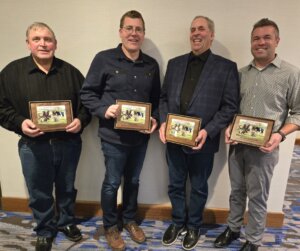
Anthony Nunes, Nustar Farms, Sibley, Iowa Wiebren Jonkman, Diamond J Dairy, Merced, California Jason Felling, Felling Dairy LLC, Sauk Centre, Minnesota
DCRC webinar explores heat stress, gut health and their impact on animal health
New Prague, Minn. (October 30, 2024) – “Integrating our understanding of stress physiology” headlines the Dec. 6 Dairy Cattle Reproduction Council (DCRC) webinar. The free webinar starts at 1 p.m. Central time (USA/Canada). Erin Horst, Elanco Animal Health dairy technical specialist, will serve as the instructor for this one-hour webinar.
During the webinar, Horst will explore the mechanisms by which heat stress negatively impacts intestinal integrity leading to pathogen infiltration into systemic circulation. Additionally, she will discuss how similar mechanisms can be applied across a wide variety of stressors, which have been previously explored in isolation. Lastly, Horst will share how intestinal hyperpermeability and subsequent immune activation triggers changes in energetic metabolism and innate immune function.
To register for this webinar, go to: https://bit.ly/DCRCDec6Horst. If you are a DCRC member and cannot attend the live program, you may access the webinar at www.dcrcouncil.org after Dec. 20.
Horst grew up on a small farrow-to-finish swine operation in Van Horne, Iowa. She attended Iowa State University for her bachelor’s degree in animal science. Following graduation, Horst stayed at Iowa State and completed a PhD in animal science under the direction of Lance Baumgard. Horst’s research focused on inflammation and its impact on energetic and calcium homeostasis. She has worked as a technical consultant in the dairy industry since 2020 and joined Elanco Animal Health in September of 2022.
Veterinarians may earn one Registry of Approved Continuing Education (RACE) credit for attending this DCRC webinar. To learn more about this opportunity, contact JoDee Sattler at: jodee@dcrcouncil.org.
For more information about DCRC’s webinars, e-mail Raphael Saraiva, DCRC Education Committee chair, at: raphael.saraiva@stgen.com or e-mail DCRC at: jodee@dcrcouncil.org.
The Dairy Cattle Reproduction Council is focused on bringing together all sectors of the dairy industry – producers, consultants, academia and allied industry professionals – for improved reproductive performance. DCRC provides an unprecedented opportunity for all groups to work together to take dairy cattle reproduction to the next level.
DCRC’s October 24 webinar focuses on reproductive economic markers
New Prague, Minn. (September 18, 2024) – “Economic markers for dairy cattle reproductive performance” headlines the Oct. 24 Dairy Cattle Reproduction Council (DCRC) webinar. The webinar starts at 1 p.m. Central time (USA/Canada). Victor Cabrera, University of Wisconsin-Madison professor and extension specialist in dairy management, will serve as the instructor for this free, one-hour webinar.
During the webinar, Cabrera will discuss how reproductive improvement results in higher milk productivity and, therefore, higher milk income over feed cost, more calf sales, and lower culling and breeding expenses. Therefore, as the reproductive efficiency improves, the dairy herd’s net return increases. To help dairy managers and consultants make objective herd management decisions, customizable decision support tools should be used. These tools help users calculate the value of a pregnancy, the cost of a pregnancy loss, the economic value of improving the 21-day pregnancy rate, the cost of a day open, and their interactions with milk production and other productive, economic, and management traits.
Key learning objectives for this webinar include:
- Learn about available dairy decision support tools (e.g., https://dairymgt.cals.wisc.edu).
- Understand how to use dairy decision support tools.
- Realize the importance of using dairy decision support tools and how they can help improve reproductive performance, milk production, and animal health.
Cabrera combines applied research, interdisciplinary approaches, and participatory methods to deliver practical, data-driven, user-friendly, and scientific decision support tools for dairy farm management. Prior to starting his career at UW-Madison, he served as an assistant professor at New Mexico State University, extension program planner for the Inter-American Development Bank, Peru, and agricultural educator and extension agent at Valle Grande Rural Institute, Peru. Cabrera earned his bachelor’s degree from La Molina Agrarian University, Peru, and master’s degree and PhD from the University of Florida.
To register for this webinar, go to: https://bit.ly/DCRCOct24Cabrera. If you are a DCRC member and cannot attend the live program, you may access the webinar at www.dcrcouncil.org after Nov. 7.
Veterinarians may earn one Registry of Approved Continuing Education (RACE) credit for attending this DCRC webinar. To learn more about this opportunity, contact JoDee Sattler at: jodee@dcrcouncil.org.
For more information about DCRC’s webinars, e-mail Raphael Saraiva, DCRC Education Committee chair, at: raphael.saraiva@stgen.com or e-mail DCRC at: jodee@dcrcouncil.org.
The Dairy Cattle Reproduction Council is focused on bringing together all sectors of the dairy industry – producers, consultants, academia and allied industry professionals – for improved reproductive performance. DCRC provides an unprecedented opportunity for all groups to work together to take dairy cattle reproduction to the next level.
Greg Bethard to address cow and people management during DCRC webinar
New Prague, Minn. (September 9, 2024) – Mark your calendar to attend the next Dairy Cattle Reproduction Council (DCRC) webinar, scheduled for Oct. 22, starting at 11 a.m. Central time (USA/Canada). High Plains Ponderosa Dairy CEO and Managing Partner Greg Bethard, Plains, Kan., will address “Cows and People Make a Dairy Go.” This one-hour webinar is free.
The Oct. 22 webinar will feature strategies on how to manage a large dairy operation – from animal systems to recruiting, training, retaining and motivating employees to business growth. Management systems include capturing and analyzing data collected on dairies. Based on the analysis, learn how to make management decisions, develop standard operating procedures and execute tasks. Regarding people, gain insights on attracting top talent, leading people, developing a vision and culture that employees want to be part of, and inspiring people. Additionally, learn how to frame business growth within the vision and goals of ownership.
The webinar’s key learning objectives include:
- Gain an appreciation of running a large business with lots of moving parts.
- Understand the complexities of managing people.
- Recognize the technology and organization needed to manage systems on a dairy.
To register for this DCRC webinar, go to: https://bit.ly/DCRCWebOct22Berthard. If you are a DCRC member and cannot attend the live program, access the webinar recording at www.dcrcouncil.org after Nov. 5.
Bethard grew up in New Jersey and developed a passion for agriculture at a young age. He received his bachelor’s, master’s and PhD degrees from Virginia Tech University in dairy nutrition and management, and has spent his entire career in the dairy industry. He served on faculty at New Mexico State University and North Carolina State University, and as a technical services specialist for Monsanto Dairy Business. From 2000 to 2014, Greg and his wife Rachel operated G&R Dairy Consulting, Inc., an international dairy consulting business. He consulted with dairy producers and allied industry throughout the United States and around the globe, working in Europe, Asia and Australia. Bethard served as CFO for Pagel Family Businesses in Kewaunee, Wis., from 2014 to 2016. In 2017, he moved to Kansas and realized his lifelong dream of becoming a dairyman. Since then, he has been managing partner at High Plains Ponderosa Dairy in Plains, Kan., and currently serves as CEO.
Veterinarians may earn one Registry of Approved Continuing Education (RACE) credit for attending this DCRC webinar. To learn more about this opportunity, contact JoDee Sattler at: jodee@dcrcouncil.org.
For more information about DCRC’s webinars, e-mail Raphael Saraiva, DCRC Education Committee chair, at: raphael.saraiva@stgen.com.
The Dairy Cattle Reproduction Council is focused on bringing together all sectors of the dairy industry – producers, consultants, academia and allied industry professionals – for improved reproductive performance. DCRC provides an unprecedented opportunity for all groups to work together to take dairy cattle reproduction to the next level.
DCRC Annual Meeting highlights topics essential to dairy farm sustainability
New Prague, Minn. (August 26, 2024) – Travel to the Lone Star State for the 2024 Dairy Cattle Reproduction Council (DCRC) Annual Meeting – Nov.12-14 – at the Loews Arlington Hotel & Convention Center, Arlington, Texas. The event features Christine Baes, University of Guelph, who will explain “The Resilient Dairy Genome Project.” In addition, Jason Lombard, Colorado State University, will address highly pathogenic avian influenza (HPAI) H5N1 infection in dairy cattle.
Dairy producers, dairy cattle researchers, bovine veterinarians and dairy cattle product and service providers wanting to take their bovine reproductive aptitude to the next level should attend this exceptional learning event. To register for the meeting, go to: https://bit.ly/DCRC2024Mtg. Register by Oct. 21 to take advantage of the lowest registration rate. Online registration ends Nov. 3. After that date, attendees must register on site.
“The 2024 DCRC Annual Meeting highlights topics that are essential to operating sustainable dairy businesses,” said Program Chair Benjamin Voelz, STgenetics technical services team manager. “This year’s speakers include some of the world’s most prominent dairy cattle reproduction experts who will discuss incorporating new technologies into reproductive strategies to achieve improved reproduction performance.”
Breakout session presenters and presentation topics for this year’s DCRC Annual Meeting include:
- The future of fertility traits – John Cole, Council on Dairy Cattle Breeding
- Management strategies for reinsemination: The past, the present and future directions – Paul Fricke, University of Wisconsin-Madison
- Uterine disease management – Stephen LeBlanc, University of Guelph
- Systemic inflammation in early lactation dairy cows – what is the disorder and how to assess it – Rafael Neves, Purdue University
- Employee training and retention – Robert Hagevoort, University of New Mexico
- Early pregnancy diagnosis and embryonic loss – Ky Pohler, Texas A&M University
- What happens in the calf hutch does not stay in the calf hutch – Adam Geiger, Zinpro
- Exploring variables related to survival and production in dairy replacements – Michael Overton, Zoetis
- Using technology and data for targeted reproductive management strategies – Luis Mendonca, Merck
DCRC is committed to boosting dairy producer and veterinarian (employed by a veterinary clinic) attendance at its annual meeting. To encourage attendance from these two groups, DCRC is offering ten $200 travel stipends. Stipends will be awarded on a first-come, first-served basis. Contact JoDee Sattler (jodee@dcrcouncil.org) if interested in this discount. Payment will be made at the meeting upon proof of attendance.
To help veterinarians earn continuing education credits, DCRC will submit an application to receive Registry of Approved Continuing Education (RACE) approval from the American Association of Veterinary State Boards for the 2024 DCRC Annual Meeting. For more information about RACE credits, contact JoDee Sattler at: jodee@dcrcouncil.org.
Reserve your hotel room for the DCRC Annual Meeting at: https://bit.ly/DCRC2024HotelReservation by Oct. 21 to get the group rate of $169 per night (plus taxes). The DCRC room block may fill before that date, so reserve your room soon.
The Dairy Cattle Reproduction Council is focused on bringing together all sectors of the dairy industry – producers, consultants, academia and allied industry professionals – for improved reproductive performance. DCRC provides an unprecedented opportunity for all groups to work together to take dairy cattle reproduction to the next level.
DCRC webinar, presented in Portuguese, focuses on uterine health
New Prague, Minn. (July 26, 2024) – “Using omics data to better understand uterine microbial ecology and mitigate the impact of metritis,” presented in Portuguese, is the featured topic for the next Dairy Cattle Reproduction Council (DCRC) webinar. The free webinar starts at 1 p.m. Central time (Chicago time) on Aug. 22. Rafael Bisinotto, University of Florida College of Veterinary Medicine assistant professor in the department of large animal clinical sciences, will serve as the instructor for this one-hour webinar.
Despite extensive research on uterine health, the incidence of metritis and the success in treating postpartum dairy cows diagnosed with uterine diseases has not improved significantly in the last decade. Bisinotto will discuss recent data regarding the potential role of uterine microbial communities for cure following antimicrobial treatment and subsequent fertility losses. He will focus on how the evaluation of microbiome and metabolome data might open potential avenues to improve uterine health in the future.
Bisinotto graduated from the College of Veterinary Medicine and Animal Sciences at the University of São Paulo in 2007. From 2008 to 2014, he completed a master’s degree in animal molecular and cellular biology and a PhD in animal sciences at the University of Florida, both with a focus on dairy cattle reproduction. In 2015, Bisinotto worked as a post-doctoral associate at Cornell University College of Veterinary Medicine. He joined the faculty group at the University of Florida College of Veterinary Medicine in 2017. Bisinotto’s teaching and research interests focus on the understanding of reproductive biology and strategies to improve reproductive performance in dairy herds.
To register for this webinar, go to: https://bit.ly/DCRCAug22Bisinotto and follow the prompts. If you are a DCRC member and cannot attend the live program, you may access the webinar recording at www.dcrcouncil.org after Sept. 6.
For more information about DCRC’s webinars, e-mail Raphael Saraiva, DCRC Education Committee chair, at: raphael.saraiva@stgen.com.
The Dairy Cattle Reproduction Council is focused on bringing together all sectors of the dairy industry – producers, consultants, academia and allied industry professionals – for improved reproductive performance. DCRC provides an unprecedented opportunity for all groups to work together to take dairy cattle reproduction to the next level.
DCRC’s July 11 webinar addresses dairy cattle monitoring technologies
New Prague, Minn. (May 31, 2024) – Register for the Dairy Cattle Reproduction Council’s (DCRC) next webinar – Use of monitoring technologies to improve reproductive performance and health in U.S. dairies – set for July 11, starting at 2 p.m. Central time (Chicago time). Glaucio Lopes, Merck Animal Health associate director, scientific sales affairs – dairy monitoring, will lead the free, one-hour webinar.
During this webinar, attendees will learn how the use of monitoring technologies has helped dairies in the United States improve their reproduction management processes – driving an increase in performance. This increased performance leads to a more profitable and sustainable environment. By pairing university research data with real-life dairy examples, Lopes will provide a solid base for this discussion. Additionally, he will share trial results from Cornell University, University of Florida-Gainesville and University of Wisconsin-Madison that have answered questions related to the inclusion of these technologies in large-scale dairy operations. Going beyond reproductive efficiency, Lopes will describe how the use of these technologies can help dairy producers and their veterinarians make more informed decisions about overall management – leading to improved cow health and productivity.
Go to: https://bit.ly/DCRCJuly11Web to register for this DCRC webinar. If you are a DCRC member and cannot attend the live program, you may access the webinar at www.dcrcouncil.org by July 25.
A past DCRC president, Lopes received his Doctor of Veterinary Medicine degree from the Universidade Federal Fluminense in Brazil and master’s degree in dairy science and executive master’s degree in business and administration from the University of Wisconsin-Madison. After working with genetics companies in dairy management consulting and people development roles, and directing sales for dairy management software in Latin America, Lopes joined Merck Animal Health where he leads the Dairy Monitoring Customer Success Team.
Veterinarians may earn one Registry of Approved Continuing Education (RACE) credit for attending this DCRC webinar. To learn more about this opportunity, contact JoDee Sattler at: jodee@dcrcouncil.org.
For more information about DCRC’s webinars, e-mail Raphael Saraiva, DCRC Education Committee chair, at: raphael.saraiva@stgen.com or e-mail DCRC at: jodee@dcrcouncil.org.
The Dairy Cattle Reproduction Council is focused on bringing together all sectors of the dairy industry – producers, consultants, academia and allied industry professionals – for improved reproductive performance. DCRC provides an unprecedented opportunity for all groups to work together to take dairy cattle reproduction to the next level.
DCRC selects UW-Madison’s Briza Castro as its 2024 Scholar
New Prague, Minn. (May 24, 2024) – The Dairy Cattle Reproduction Council (DCRC) named Briza Castro, a PhD candidate in the University of Wisconsin’s animal and dairy sciences department, as the 2024 DCRC Scholar. As the award recipient, Castro earned an expense-paid trip to attend the 2024 DCRC Annual Meeting, Nov. 12-14, in Arlington, Texas.
Castro received her bachelor’s and master’s degrees from New Mexico State University. Her master’s thesis addressed lipopolysaccharide endotoxin exposure on ovarian follicle immune responses, steroidogenesis, oocyte competence, and early embryonic development. With the guidance of her PhD advisor, M. Sofia Ortega, University of Wisconsin assistant professor in reproductive physiology, Castro’s research in reproductive physiology focuses on identifying bovine oocyte competence markers following follicle-stimulating hormone (FSH) stimulation in dairy heifers.
Currently, Castro’s research strives to better understand the differences in the competence of in vitro vs. in vivo matured oocytes. She is studying Holstein heifers undergoing a conventional four-day FSH stimulation to compare differences in reproductive parameters, follicular dynamics, and oocyte competence to further improve the success of assisted reproductive technologies (ART) and their use in dairy cattle reproductive programs.
Along with her research, Castro has served as a graduate teaching assistant, which strengthened her commitment to academic excellence and ability to effectively communicate complex concepts in animal science. “Whether mentoring students in reproductive management or assisting with courses, such as anatomy and physiology of farm animals, Briza has consistently demonstrated her passion for education and her ability to inspire and guide students,” Ortega stated.
The DCRC Scholars program recognizes an outstanding graduate student studying dairy, animal or veterinary science, microbiology or a related program, with an area of interest that includes dairy cattle reproduction and fertility. Applicants submitted an interest statement that detailed their interest in dairy cattle reproduction, career goals and research project(s), and their academic advisor provided a letter of recommendation.
The Dairy Cattle Reproduction Council is focused on bringing together all sectors of the dairy industry – producers, consultants, academia and allied industry professionals – for improved reproductive performance. DCRC provides an unprecedented opportunity for all groups to work together to take dairy cattle reproduction to the next level.
###
Photo available upon request.
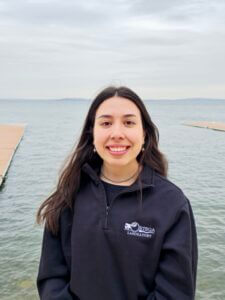
DCRC webinar, presented in Spanish, focuses on genomics and cow health
New Prague, Minn. (May 1, 2024) – “Effective use of genomics to improve dairy cow health and fertility” (Uso eficaz de la genómica para mejorar la salud y fertilidad de vacas lecheras), presented in Spanish, headlines the May 30 Dairy Cattle Reproduction Council (DCRC) webinar. The free webinar starts at 1 p.m. Central time (USA/Canada). Francisco Peñagaricano, University of Wisconsin-Madison, will serve as the instructor for this one-hour webinar.
During the webinar, Peñagaricano will describe the progress, challenges and perspectives on the use of genomics to improve dairy cow health and fertility. The advent of genomics transformed the dairy industry, enabling faster genetic progress, particularly for low heritable traits, such as fertility and health, while facilitating the improvement of traits that are difficult to measure on the entire population, such as feed efficiency or methane emissions.
Key learning objectives for this webinar include:
- Increase knowledge on the proper use of genetic and genomic tools in dairy cattle, with special emphasis on health and fertility.
- Increase the knowledge on practical and economically important aspects of dairy genetic and genomic evaluation and selection.
- Increase use of the latest practices in dairy cattle genetics.
Peñagaricano is an assistant professor in the department of animal and dairy sciences at the University of Wisconsin-Madison. His research program focuses on developing and applying methods to dissect the genetic basis of economically relevant traits in dairy cattle. His research involves gene mapping, genomic prediction, multi-omics data integration and network modeling.
To register for this webinar, go to: https://bit.ly/DCRCMay30Web. If you are a DCRC member and cannot attend the live program, you may access the webinar at www.dcrcouncil.org after June 13.
For more information about DCRC’s webinars, e-mail Raphael Saraiva, DCRC Education Committee chair, at: raphael.saraiva@stgen.com or e-mail DCRC at: jodee@dcrcouncil.org.
The Dairy Cattle Reproduction Council is focused on bringing together all sectors of the dairy industry – producers, consultants, academia and allied industry professionals – for improved reproductive performance. DCRC provides an unprecedented opportunity for all groups to work together to take dairy cattle reproduction to the next level.
Michael Ballou to address early life calf health during DCRC webinar
New Prague, Minn. (March 20, 2024) – Mark your calendar to attend the next Dairy Cattle Reproduction Council (DCRC) webinar, scheduled for May 2, starting at 2 p.m. Central time (USA/Canada). Texas Tech University Professor Michael Ballou will address “Early life calf health and performance have long-term impacts on lifetime health and (re)production performance.” This one-hour webinar is free.
The presentation will look at the etiology of calfhood diseases. Further, a discussion on various strategies to improve disease resistance will be presented. Lastly, Ballou will show data that indicate that early life health and performance of calves can have long-term impacts on the (re)productivity of the animal.
The webinar’s key learning objectives include:
- Understand why calves are at a high risk for developing infectious disease in early life.
- Know strategies to improve disease resistance and recovery from disease.
- Learn about the long-term impacts of calfhood diseases.
To register for this DCRC webinar, go to: https://bit.ly/DCRCMay2. As the webinar time approaches, you will receive an e-mail with information on how to log in to participate. If you are a DCRC member and cannot attend the live program, access the webinar at www.dcrcouncil.org by May 16.
Ballou is the professor and chair of the department of veterinary sciences in the Davis College of Agricultural Sciences and Natural Resources at Texas Tech University. His research program is focused on understanding how nutrition and management influence the health of calves, heifers and transition cows. Ballou received his PhD in nutritional immunology from University of California-Davis in 2007. He has authored or co-authored more than 96 peer-reviewed publications and given more than 125 invited presentations. Also, Ballou has equity ownership in a nutrition solutions company, MB Nutritional Sciences, located in Lubbock, Texas, and two calf-raising facilities (Calf Land in Fair Oaks, Ind., and Double M Ranch in Texico, N.M.).
For more information about DCRC’s webinars, e-mail Raphael Saraiva, DCRC Education Committee chair, at: raphael.saraiva@stgen.com.
The Dairy Cattle Reproduction Council is focused on bringing together all sectors of the dairy industry – producers, consultants, academia and allied industry professionals – for improved reproductive performance. DCRC provides an unprecedented opportunity for all groups to work together to take dairy cattle reproduction to the next level.
DCRC seeks Scholar applicants
New Prague, Minn. (February 26, 2024) – Graduate students: Apply for the Dairy Cattle Reproduction Council (DCRC) Scholar program. The award winner will earn an expense-paid trip to attend the DCRC Annual Meeting, Nov. 12-14, in Arlington, Texas, USA. The application deadline is April 30.
Eligible candidates must be a DCRC member and graduate student enrolled full time at a college or university in a dairy, animal or veterinary science, microbiology or related program at the time of application deadline, with an area of interest that includes dairy cattle reproduction. To apply for the program, complete the DCRC Scholar application form, submit an interest statement that details your interest in dairy cattle reproduction, career goals and research project(s), and provide a letter of recommendation. Applicants may also share additional information, such as awards, honors and scholarships received.
The DCRC Scholar Selection Committee will evaluate the applications and choose the DCRC Scholar by May 31. To learn more about the program and/or apply, go to: http://bit.ly/DCRCscholar.
The Dairy Cattle Reproduction Council is focused on bringing together all sectors of the dairy industry – producers, consultants, academia and allied industry professionals – for improved reproductive performance. DCRC provides an unprecedented opportunity for all groups to work together to take dairy cattle reproduction to the next level.
DCRC calls for reproduction award nominations
New Prague, Minn. (February 26, 2024) – The Dairy Cattle Reproduction Council (DCRC) seeks nominations for its Excellence in Dairy Reproduction Awards program. Dairy industry professionals, including veterinarians, extension agents, artificial insemination and pharmaceutical company representatives, dairy processor and co-op field staff, and consultants, may nominate dairy herds with reproduction excellence. This awards program recognizes outstanding dairy operations for reproductive efficiency and well-implemented procedures. Nominations are due April 30.
To nominate a herd, go to: www.dcrcouncil.org/awards/nominate-a-herd and complete the required information. From the nominations, judges evaluate reproductive performance criteria and narrow down the nominations to a group of about 50 finalists. Dairies named as finalists submit herd management data and judges rank the finalists as Platinum, Gold, Silver or Bronze. To learn more about past winners, go to: www.dcrcouncil.org/awards/past-reproduction-award-winners.
The 24 herds earning Platinum, Gold, Silver or Bronze will be invited to attend the DCRC Annual Meeting, which is scheduled for Nov. 12-14, in Arlington, Texas, USA. Watch the DCRC website – www.dcrcouncil.org – for program updates.
The Dairy Cattle Reproduction Council is focused on bringing together all sectors of the dairy industry – producers, consultants, academia and allied industry professionals – for improved reproductive performance. DCRC provides an unprecedented opportunity for all groups to work together to take dairy cattle reproduction to the next level.
DCRC Annual Meeting features innovative protocols and procedures
New Prague, Minn. (November 16, 2023) – Nearly 200 Dairy Cattle Reproduction Council (DCRC) members from 25 U.S. states, three Canadian provinces and 13 countries met in Salt Lake City (and virtually), Nov. 14-16, for the group’s 2023 annual meeting. Attendees included reproductive physiologists, animal health researchers, dairy producers, bovine veterinarians, animal health suppliers and dairy industry partners. Presenters discussed topics to help attendees develop innovative strategies to foster a sustainable future for the global dairy industry.
“This year’s DCRC Annual Meeting featured dairy cattle reproduction topics that boost fertility and reproduction success, strengthen animal welfare, optimize breeding and replacement decisions, mitigate the impact of metritis, capitalize on genomics, boost effectiveness of activity monitoring systems, build markets for dairy-beef cattle and help dairy producers create profitable management systems,” said DCRC Annual Meeting Program Chair Ralph Bruno, Zoetis senior dairy technical service veterinarian. “The hybrid format (in-person and online attendees) provides DCRC members with a great tool for continuing education.” All sessions were recorded, so DCRC Annual Meeting attendees may access the recordings after Dec. 5. In addition, DCRC members may view 18 recorded research poster presentations.
Outgoing DCRC President William “BJ” Jones, Center Hill Veterinary Clinic, passed the gavel to Tracy Burnett, University of Guelph. Other DCRC board members are Vice President Ralph Bruno, Zoetis; Secretary-Treasurer Luciano Caixeta, University of Minnesota; Past President Jones; and director members Kim Egan, GENEX; Augusto Madureira, University of Guelph; and Brian Schilling, Schilling Farms, LLC. Committee chairs include Awards Chair Katelyn Allen, Hoard’s Dairyman; Program Chair Benjamin Voelz, STgenetics; Education Chair Raphael Saraiva, STgenetics; Membership Chair Jennifer Spencer, Texas A&M University; and Nomination Chair BJ Jones. DCRC thanks outgoing board members Matthew Utt, Zoetis, and Eduardo Ribeiro, University of Guelph, for their exemplary service to DCRC.
DCRC thanks its annual meeting sponsors who contributed to the professional development program’s success. The Gold sponsor was Select Sires. Silver sponsors included Merck Animal Health, Cow Manager and Zoetis. Bronze sponsors included Adisseo, Boehringer Ingelheim, Dairy Records Management Systems, GENEX, Jefo Nutrition, Nedap, STgenetics and Trans Ova Genetics. Parnell Living Science was the Excellence in Dairy Reproduction Awards sponsor.
Next year’s DCRC Annual Meeting is set for Nov. 12-14, in Arlington, Texas. Watch the DCRC website – www.dcrcouncil.org – for program updates.
The Dairy Cattle Reproduction Council is focused on bringing together all sectors of the dairy industry – producers, consultants, academia and allied industry professionals – for improved reproductive performance. DCRC provides an unprecedented opportunity for all groups to work together to take dairy cattle reproduction to the next level.
DCRC recognizes dairies with outstanding reproduction accomplishments
New Prague, Minn. (November 15, 2023) – The Dairy Cattle Reproduction Council (DCRC) recognized 24 dairies from the United States, Canada, Italy and the United Kingdom for reaching phenomenal reproduction marks. These dairies received Platinum, Gold, Silver or Bronze in DCRC’s Excellence in Dairy Cattle Reproduction Awards program during the group’s annual meeting, held Nov. 14-16, in Salt Lake City. The 24 dairies excel at reproductive efficiency, fertility and well-implemented management procedures. Platinum recognition went to: Crosswind Jerseys (Stefan Temperli), Elkton, S.D.; Hendriks Ltd. (Tyler Hendriks), Brucefield, Ont., Canada; High Noon Dairy LLC (Peter Bouma), Hereford, Texas; LDT Keller (Luke and Dan Keller), Fort Recovery, Ohio; Trailside Holsteins (Mike Johnson), Fountain, Minn.; and Verhoef Dairy Farm Inc. (Reinoud & Klaartje Verhoef), Belmont, Ont., Canada.
In addition to the six Platinum winners, there were six Gold, six Silver and six Bronze winners (listed below). One hundred nominations came from six countries, 12 U.S. states and three Canadian provinces. Farms were nominated by dairy professionals who serve the dairy industry, such as veterinarians, extension specialists and artificial insemination and pharmaceutical company representatives.
Gold
Britannia Dairy (Ben and Kevin Pearson), Flandreau, S.D.
Davis Family Farm (Jayme and Brad Davis), Darlington, Wis.
Elusive Hill (Luke Luchterhand), Spencer, Wis.
Felling Dairy LLC (Jason Felling), Sauk Centre, Minn.
Holmesville Dairy (Travis and Stephanie Holmes), Argyle Wis.
Pine Row Dairy (Brant Ryzebol), Mantorville, Minn.
Silver
Campogallo SAS (Borgo Giovanni Marco), Schiavon Vicenza, Italy
Enge Farms (Mike Enge), North Freedom, Wis.
Holland Cattle Company (Bill and Lisa Holland Family), Apple River, Ill.
Ripp Dairy Valley (Chuck Ripp), Dane, Wis.
Riverside Dairy (Andy Fischer), Reedsville, Wis.
Shady Acres Dairy LP (Chris Anker), Helm, Calif.
Bronze
A-OK Farms LLC (Mark Breunig), Sheboygan Falls, Wis.
Full Flo Dairy (Mark Rauls), De Forest, Wis.
Jauquet’s Hillview Dairy (Dave and Stacey Jauquet), Luxemburg, Wis.
Kempthorne & Partners Ltd., Bodmin, Cornwall, United Kingdom
Newmont Dairy (Will Galdstone), Fairlee, Vt.
Schumacher Farms of Elgin, Inc. (Kurt Schumacher), Elgin, Minn.
This awards program, sponsored by Hoard’s Dairyman magazine and Dairy Cattle Reproduction Council, recognizes dairy producers whose herds excel in getting cows safe in calf. DCRC’s Excellence in Dairy Cattle Reproduction judges considered many criteria when reviewing finalists’ applications, including pregnancy rate, voluntary waiting period, interbreeding intervals, heat detection, conception rate, value of reproduction and culling rate.
The Dairy Cattle Reproduction Council is focused on bringing together all sectors of the dairy industry – producers, consultants, academia and allied industry professionals – for improved reproductive performance. DCRC provides an unprecedented opportunity for all groups to work together to take dairy cattle reproduction to the next level.
###
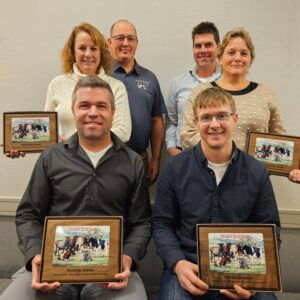
Note: A photo of the Platinum-winning herds is available upon request.
DCRC’s October 26 webinar addresses enhancing reproductive efficiency
New Prague, Minn. (September 25, 2023) – Register for the Dairy Cattle Reproduction Council’s (DCRC) next webinar – Enhance reproductive efficiency, progeny performance and herd dynamics with supplemental methionine – set for Oct. 26, starting at 1:30 p.m. Central time (Chicago time). Phil Cardoso, University of Illinois associate professor, will lead the free, one-hour webinar.
Feeding dairy cows during the transition period to meet their nutritional requirements is crucial for dairy farmers’ profitability. Every year, researchers worldwide help dairy farmers, veterinarians and nutritionists better understand the biological mechanisms behind how cows utilize and effectively convert feed into milk. Cardoso will discuss the nutritional strategies and goals for a successful transition period, such as for a cow to calve, not get sick, milk well and get pregnant again in a timely fashion. The correct diet will meet the cow’s nutritional requirements and be designed so that cows get just what they need; not more; not less. Feeding rumen-protected methionine during the transition period results in improved uterine immune function through improved glandular morphology, increased neutrophil infiltration in bovine endometrial tissue, improved oocyte quality and calf intake. In conclusion, the transition program’s impacts should be evaluated holistically, considering disease occurrence, productivity and fertility since it dramatically impacts dairy herd dynamics.
Go to: https://bit.ly/DCRCWebOct26 to register for this DCRC webinar. If you are a DCRC member and cannot attend the live program, you may access the webinar at www.dcrcouncil.org by Nov. 9.
Cardoso received his Doctor of Veterinary Medicine and master’s degrees from the Federal University of Rio Grande do Sul in Brazil, and PhD from the University of Illinois. Since 2012, he has established a unique program and online presence that seamlessly blends his teaching, extension and research efforts. The impact of Cardoso’s dairy science program is in placing students in applied positions and academia. Cardoso and his students have published more than 90 peer-reviewed manuscripts and three invited book chapters. The program builds on questions from dairy producers and focuses on having the dairy cow’s diet as a medical prescription for performance, health and reproduction. That is achieved by understanding the impact of nutrition on metabolism, reproduction and health in dairy cows, as well as mechanisms of metabolic adaptation to stressors and forage quality.
Veterinarians may earn one Registry of Approved Continuing Education (RACE) credit for attending this DCRC webinar. To learn more about this opportunity, contact JoDee Sattler at: jodee@dcrcouncil.org.
DCRC’s Oct. 26 webinar is sponsored by Adisseo. DCRC does not support one product or company over another, and any mention is not an endorsement by DCRC.
For more information about DCRC’s webinars, e-mail Vinicius Machado, DCRC Education Committee chair, at: vinicius.machado@ttu.edu.
The Dairy Cattle Reproduction Council is focused on bringing together all sectors of the dairy industry – producers, consultants, academia and allied industry professionals – for improved reproductive performance. DCRC provides an unprecedented opportunity for all groups to work together to take dairy cattle reproduction to the next level.
DCRC opens registration for its annual meeting
New Prague, Minn. (August 13, 2023) – Head to Salt Lake City for the 2023 Dairy Cattle Reproduction Council (DCRC) Annual Meeting, Nov.14-16, at the Sheraton Salt Lake City Hotel. The event features Frank Mitloehner, University of California-Davis, aka the Greenhouse Gas Guru, who will explain how cattle positively influence climate change.
Dairy producers, dairy cattle researchers, bovine veterinarians and dairy cattle product and service providers wanting to take their bovine reproductive aptitude to the next level should attend this exceptional learning event. To register for the meeting, go to: https://bit.ly/DCRC2023MtgReg. Register by Oct. 23 to take advantage of the lowest registration rate. Online registration ends Nov. 6. After that date, attendees must register on site.
“The 2023 DCRC Annual Meeting highlights topics that are essential to achieving dairy business success,” said Program Chair Ralph Bruno, Zoetis senior dairy technical service veterinarian. “With world-renowned cattle experts, attendees can capitalize on the speakers’ expertise and take the information and hands-on applications back to their dairy operations or their clients’ dairy operations. Cutting-edge technologies will help the collective dairy industry build a sustainable future.”
Breakout session presenters and presentation topics for this year’s DCRC Annual Meeting include:
- Impact of stress and strain on reproductive health of dairy cows
Matt Lucy, University of Missouri - Use of multiple biological, management and performance data
Julio Giordano, Cornell University - Association of activity and subsequent fertility of dairy cows with spontaneous estrus
Stefan Borchardt, Freie Universität Berlin - Effective use of genomics to improve dairy cow health and fertility
Francisco Peñagaricano, University of Wisconsin - The high-fertility cow: How timely pregnancy in one lactation may lead to less BCS loss
Richard Pursley, Michigan State University - What’s new with beef on dairy?
Kee Jim, Feedlot Health - Early life calf health and performance have long-term impacts on lifetime health and (re)production performance
Michael Ballou, Texas Tech University - Differences in uterine and serum metabolome associated with metritis in dairy cows
Rafael Bisinotto, University of Florida
Panel discussions include:
- DCRC Excellence in Dairy Reproduction Platinum Award winners
- Are you ready for 2030?
In addition, Dairy Records Management Systems and STgenetics will provide preconference seminars, starting at 3 p.m. on Nov. 14. These informative presentations are free to all meeting registrants.
DCRC is committed to boosting dairy producer and veterinarian (employed by a veterinary clinic) attendance at its annual meeting. To encourage attendance from these two groups, DCRC is offering ten $200 travel stipends. Stipends will be awarded on a first-come, first-served basis. Contact JoDee Sattler (jodee@dcrcouncil.org) if interested in this discount. Payment will be made at the meeting upon proof of attendance.
To book a hotel room for the DCRC Annual Meeting, go to: https://bit.ly/2023DCRChotelreservation by Oct. 23, to get the group rate of $159 per night (plus taxes). The DCRC room block may fill before that date, so reserve your room soon.
The Dairy Cattle Reproduction Council is focused on bringing together all sectors of the dairy industry – producers, consultants, academia and allied industry professionals – for improved reproductive performance. DCRC provides an unprecedented opportunity for all groups to work together to take dairy cattle reproduction to the next level.
DCRC webinar, presented in Portuguese, addresses transition cow health
New Prague, Minn. (July 10, 2023) – “A look to transition beyond the fresh pen,” presented in Portuguese, is the featured topic for the next Dairy Cattle Reproduction Council (DCRC) webinar. The free webinar starts at 2 p.m. Central time (Chicago time) on Sept. 12. Eduardo Ribeiro, a University of Guelph associate professor in the department of animal biosciences, will serve as the instructor for this one-hour webinar.
Ribeiro will explain how the quality of a dairy cow’s transition period determines the success of the subsequent lactation cycle. He will share insights on the impact of transition cow management on performance of dairy cows and economics of dairy operations.
Raised on a small family farm in southern Brazil, Ribeiro earned a veterinary medicine degree from Santa Catarina State University. In 2009, he moved to Florida to start his graduate studies at the University of Florida, completing a master’s degree in 2011 and a PhD in 2015. At the University of Guelph, Ribeiro teaches animal health and animal reproduction, and leads a research program in dairy cattle reproductive health.
To register for this webinar, go to: https://bit.ly/DCRCWebSept12 and follow the prompts. If you are a DCRC member and cannot attend the live program, you may access the webinar recording at www.dcrcouncil.org after Sept. 22.
For more information about DCRC’s webinars, e-mail Vinicius Machado, DCRC Education Committee chair, at: vinicius.machado@ttu.edu.
The Dairy Cattle Reproduction Council is focused on bringing together all sectors of the dairy industry – producers, consultants, academia and allied industry professionals – for improved reproductive performance. DCRC provides an unprecedented opportunity for all groups to work together to take dairy cattle reproduction to the next level.
DCRC names University of Missouri graduate student as DCRC Scholar
New Prague, Minn. (May 24, 2023) – The Dairy Cattle Reproduction Council (DCRC) selected Isabella Sellmer Ramos, a master’s degree student at the University of Missouri, as the 2023 DCRC Scholar. As the award recipient, Ramos earned an expense-paid trip to attend the 2023 DCRC Annual Meeting, Nov. 14-17, in Salt Lake City.
In 2020, Ramos attained a bachelor’s degree in veterinary medicine from Pontifícia Universidade Católica do Paraná, Curitiba, Brazil. She did a research internship at Kansas State University in 2019. Then, Ramos completed her residency in bovine reproduction in Roberto Sartori’s laboratory at the University of São Paulo.
Studying reproductive physiology, Ramos is investigating the underlying mechanisms of postpartum uterine disease, mainly focusing on the changes that could be observed in uterine histoarchitecture of diseased cows to potentially provide a more efficient course of treatment that could prevent reproductive losses. Her research project aims to evaluate how uterine disease affects the functional regeneration of uterine glands during uterine involution. “Uterine glands are essential for fertility because their secretory products (histotroph) are essential for pregnancy establishment (conceptus attachment) and early embryonic development (histotrophic nutrition),” Ramos stated.
Earlier this year, JDS Communications (Journal of Dairy Science) accepted Ramos’ work for publication. This research provided evidence supporting the hypothesis that uterine disease slows glandular regeneration at both early (30 days) and late (80-165 days) postpartum time points. Also, this work provided some of the preliminary data that was used in a funded U.S. Department of Agriculture proposal – Disease Programing of Endometrial Regeneration and Function in Postpartum Dairy Cows. Ramos is currently working on the functional capacity of uterine glands from diseased cows by studying the expression of FOXA2 – a gland-specific transcription factor.
The DCRC Scholars program recognizes an outstanding graduate student studying dairy, animal or veterinary science, microbiology or a related program, with an area of interest that includes dairy cattle reproduction and fertility. Applicants submitted an interest statement that detailed their interest in dairy cattle reproduction, career goals and research project(s), and their academic adviser provided a letter of recommendation.
The Dairy Cattle Reproduction Council is focused on bringing together all sectors of the dairy industry – producers, consultants, academia and allied industry professionals – for improved reproductive performance. DCRC provides an unprecedented opportunity for all groups to work together to take dairy cattle reproduction to the next level.
Photo available upon request.
Nominate outstanding dairies for DCRC reproduction awards
New Prague, Minn. (February 28, 2023) – Nominations are open for the 2023 Dairy Cattle Reproduction Council (DCRC) Excellence in Dairy Reproduction Awards program. Dairy industry professionals, including veterinarians, extension agents, artificial insemination and pharmaceutical company representatives, dairy processor and co-op field staff, and consultants, may nominate dairy herds with reproduction excellence. This awards program recognizes outstanding dairy operations for reproductive efficiency and well-implemented procedures. Nominations are due April 30.
To nominate a herd, go to: www.dcrcouncil.org/awards/nominate-a-herd and complete the required information. From the nominations, judges evaluate reproductive performance criteria and narrow down the nominations to a group of about 50 finalists. Dairies named as finalists submit herd management data and judges rank the finalists as Platinum, Gold, Silver or Bronze. To learn more about past winners, go to: www.dcrcouncil.org/awards/past-reproduction-award-winners.
The 24 herds earning Platinum, Gold, Silver or Bronze will be invited to attend the DCRC Annual Meeting, which is scheduled for Nov. 14-17, in Salt Lake City. Watch the DCRC website – www.dcrcouncil.org – for program updates.
The Dairy Cattle Reproduction Council is focused on bringing together all sectors of the dairy industry – producers, consultants, academia and allied industry professionals – for improved reproductive performance. DCRC provides an unprecedented opportunity for all groups to work together to take dairy cattle reproduction to the next level.
Graduate students: Apply for the DCRC Scholar program
New Prague, Minn. (February 28, 2023) – The Dairy Cattle Reproduction Council (DCRC) is seeking applicants for its Scholar program. The award winner will earn an expense-paid trip to attend the DCRC Annual Meeting, Nov. 14-17, in Salt Lake City. The application deadline is April 30.
Eligible candidates must be a DCRC member and graduate student enrolled full time at a college or university in a dairy, animal or veterinary science, microbiology or related program at the time of application deadline, with an area of interest that includes dairy cattle reproduction. To apply for the program, complete the DCRC Scholar application form, submit an interest statement that details your interest in dairy cattle reproduction, career goals and research project(s), and provide a letter of recommendation. Applicants may also share additional information, such as awards, honors and scholarships received.
The DCRC Scholar Selection Committee will evaluate the applications and choose the DCRC Scholar by May 31. To learn more about the program and/or apply, go to: http://bit.ly/DCRCscholar.
The Dairy Cattle Reproduction Council is focused on bringing together all sectors of the dairy industry – producers, consultants, academia and allied industry professionals – for improved reproductive performance. DCRC provides an unprecedented opportunity for all groups to work together to take dairy cattle reproduction to the next level.
DCRC’s February 23 webinar addresses setting up heifers for future success
New Prague, Minn. (February 8, 2023) – “Importance of Early Life Factors on Future Performance of Dairy Calves” headlines the Feb. 23 Dairy Cattle Reproduction Council (DCRC) webinar, which starts at 2 p.m. Central time (Chicago time). Jackie Boerman, an assistant professor in Purdue University’s department of animal sciences, will lead the free, one-hour webinar.
The DCRC webinar will expand on three key take-home messages.
- Data integration is crucial to evaluate aspects of dairy farms, including the multiple factors that occur in early life that impact future performance.
- There are long-term negative effects of bovine respiratory disease on future growth, reproductive success and survivability.
- Season born, dam’s parity and pre-weaning milk consumption all influence a calf’s future performance.
Go to: https://bit.ly/DCRCFeb23Webinar to register for this DCRC webinar. As the webinar time approaches, you will receive an e-mail with information on how to log in to participate. If you are a DCRC member and cannot attend the live program, you may access the webinar at www.dcrcouncil.org by March 9.
Boerman is originally from a dairy farm in western New York and received her bachelor’s degree from Cornell University, master’s degree from the University of Illinois, and PhD from Michigan State University. Her research focused on lipid metabolism in dairy cattle. In 2017, Boerman began an extension/applied research and teaching appointment at Purdue University, after working in industry as a dairy specialist with Cargill Animal Nutrition. Today, her research and extension programs focus on nutrition and management strategies that promote the production and health of dairy cattle.
Veterinarians may earn one Registry of Approved Continuing Education (RACE) credit for attending this DCRC webinar. To learn more about this opportunity, contact JoDee Sattler at: jodee@dcrcouncil.org.
For more information about DCRC’s webinars, e-mail Vinicius Machado, DCRC Education Committee chair, at: vinicius.machado@ttu.edu.
The Dairy Cattle Reproduction Council is focused on bringing together all sectors of the dairy industry – producers, consultants, academia and allied industry professionals – for improved reproductive performance. DCRC provides an unprecedented opportunity for all groups to work together to take dairy cattle reproduction to the next level.
DCRC Annual Meeting explores cutting-edge technologies
New Prague, Minn. (November 17, 2022) – More than 200 Dairy Cattle Reproduction Council (DCRC) members from 27 U.S. states, four Canadian provinces and 11 countries gathered in person (Middleton, Wis.) and virtually, Nov. 15-17, for the group’s 2022 annual meeting. Attendees included reproductive physiologists, animal health researchers, dairy producers, bovine veterinarians, animal health suppliers and dairy industry partners. Presenters addressed topics to help attendees explore cutting-edge technologies and build a sustainable future.
An optional dairy farm tour featured four dairies that have achieved Platinum, Gold, Silver or Bronze recognition in DCRC’s Excellence in Dairy Reproduction awards program. Tour hosts included Schilling Farms, Fennimore, Wis.; Kieler Farms, Inc., Platteville, Wis.; Darlington Ridge Farms, Darlington, Wis.; and Wessel Farms, Mineral Point, Wis.
“The 2022 DCRC Annual Meeting showcased dairy cattle reproduction topics that enhance fertility and reproduction success, strengthen animal welfare, optimize the use of sexed semen, improve nutrition programs, capitalize on artificial intelligence, boost transition cow success, build markets for dairy-beef cattle and help dairy producers create profitable management systems,” said DCRC Annual Meeting Program Chair Pablo, Pinedo, Colorado State University assistant professor in the department of animal sciences. “The hybrid format (in-person and online attendees) provides DCRC members with a great tool for continuing education.” All sessions were recorded, so DCRC Annual Meeting attendees may access the recordings after Dec. 5. In addition, DCRC members may view 20 recorded research poster presentations.
Outgoing DCRC President Matthew Utt, Zoetis, passed the gavel to BJ Jones, Center Hill Veterinary Clinic, Darlington, Wis. Other DCRC board members are: Vice President Tracy Burnett, University of Guelph; Secretary-Treasurer Luciano Caixeta, University of Minnesota; Past President Utt; and director members Kim Egan, GENEX; Eduardo Ribeiro, University of Guelph; and Brian Schilling, Schilling Farms, LLC. Committee chairs include: Awards Chair Katelyn Allen, Hoard’s Dairyman; Program Chair Caio Aranha Gamarra, Merck Animal Health; Education Chair Vinicius Machado, Texas Tech University; Membership Chair Carli Woodward, Phibro Animal Health; and Nomination Chair Matthew Utt. DCRC thanks outgoing board members Michael Overton, Zoetis, and Natalia Martinez-Patino, Zoetis, for their exemplary service to DCRC.
DCRC thanks its annual meeting sponsors who contributed to the professional development program’s success. Silver sponsors included Select Sires, STgenetics and Zoetis. Bronze sponsors were Adisseo, Arm & Hammer Animal Nutrition, Boehringer Ingelheim, GENEX, Nedap, Trans Ova Genetics and VAS. Dairy Farm Tour sponsors included CentralStar Select Sires, Nicolet National Bank, Purina, STgenetics and Zoetis.
Next year’s DCRC Annual Meeting is set for Nov. 14-16, in Salt Lake City. Watch the DCRC website – www.dcrcouncil.org – for program updates.
The Dairy Cattle Reproduction Council is focused on bringing together all sectors of the dairy industry – producers, consultants, academia and allied industry professionals – for improved reproductive performance. DCRC provides an unprecedented opportunity for all groups to work together to take dairy cattle reproduction to the next level.
DCRC honors dairies for successful reproduction achievements
New Prague, Minn. (November 16, 2022) – The Dairy Cattle Reproduction Council (DCRC) gave Excellence in Dairy Cattle Reproduction Awards to 24 dairy operations during its annual meeting, held Nov. 15-17, in Middleton, Wis. These dairies excel at reproductive efficiency, fertility and well-implemented management procedures. Platinum recognition went to: Davis Family Farm (Jayme and Brad Davis), Darlington, Wis.; Emerald Spring Dairy (Darrin Young), Plainview, Minn.; Felling Dairy LLC (Jason Felling), Sauk Centre, Minn.; Fetzer Farms (Fetzer Family), Elmwood, Wis.; High Noon Dairy LLC (Peter Bouma), Hereford, Texas; and Riddell Farms (Travis Riddell), Atwood, Ont., Canada.
In addition to the six Platinum winners, there were six Gold, six Silver and six Bronze winners (listed below). More than 100 nominations came from four countries, 11 U.S. states and two Canadian provinces. Farms were nominated by dairy professionals who serve the industry, such as veterinarians, extension specialists and artificial insemination and pharmaceutical company representatives.
Gold
Boernview Farms Ltd. (Roger Boersen), Gadshill, Ont., Canada
Britannia Dairy (Ben and Kevin Pearson), Flandreau, S.D.
Kieler Farms Inc. (Daniel Kieler), Platteville, Wis.
Maier Farms LLC (Maier Family – Pat Maier), Waunakee, Wis.
Maly Farms (Butch, Kelly and Ron Maly, and Alicia Sippl), Bryant, Wis.
Mercer-Vu Farms (Rod and Rick Hissong), Mercersburg, Pa.
Silver
Belldale Farms LLC (Mike and Eric Colopy), Danville, Ohio
Blue Star Dairy Farms (Brian and Craig Meinholz), DeForest, Wis.
Full Flo Dairy (Mark Rauls), De Forest, Wis.
Ryzebol Dairy (Brant Ryzebol), Mantorville, Minn.
Trailside Holsteins (Mike Johnson), Fountain, Minn.
Vale Wood Dairy (Zane Itle), Loretto, Pa.
Bronze
Burk Lea Farms (Clint Burkholder), Chambersburg, Pa.
Crosswind Jerseys (Stefan Temperli), Elkton, S.D.
Holmesville Dairy (Travis and Stephanie Holmes), Argyle Wis.
Riverside Dairy (Andy Fischer), Reedsville, Wis.
Ruedinger Farms (John Ruedinger and Dave Zappa), Van Dyne, Wis.
Scheps Dairy (Ken and Dan Scheps), Almena, Wis.
This awards program, sponsored by Hoard’s Dairyman magazine and Dairy Cattle Reproduction Council, recognizes dairy producers whose herds excel in getting cows safe in calf. DCRC’s Excellence in Dairy Cattle Reproduction judges considered many criteria when reviewing finalists’ applications, including pregnancy rate, voluntary waiting period, interbreeding intervals, heat detection, conception rate, value of reproduction and culling rate.
The Dairy Cattle Reproduction Council is focused on bringing together all sectors of the dairy industry – producers, consultants, academia and allied industry professionals – for improved reproductive performance. DCRC provides an unprecedented opportunity for all groups to work together to take dairy cattle reproduction to the next level.
###
Note: A photo of the Platinum-winning herds is available upon request.
University of Wisconsin’s Milo Wiltbank to lead DCRC’s October 27 webinar
New Prague, Minn. (October 13, 2022) – Mark your calendar to attend the next Dairy Cattle Reproduction Council (DCRC) webinar, scheduled for Oct. 27, starting at 1 p.m. Central time (USA/Canada). Milo Wiltbank, University of Wisconsin professor of animal and dairy sciences and endocrinology – reproductive physiology, will address “The Contrasting Functions of Nutrition on Reproduction in Dairy Cows.” This one-hour webinar is free.
The DCRC webinar will provide four distinct physiologic models that link nutrition with reproduction in dairy cattle. This presentation will discuss the varied ways that nutrition can alter reproduction in lactating dairy cows. Six different well-studied pathways will be presented with some examples provided that can improve fertility and reduce pregnancy loss in dairy herds. An emphasis will be on attaining the high fertility cycle in your herd.
Click here (https://bit.ly/DCRCOct27) to register for this DCRC webinar. As the webinar time approaches, you will receive an e-mail with information on how to log in to participate. If you are a DCRC member and cannot attend the live program, you may access the webinar at www.dcrcouncil.org by Nov. 14.
Wiltbank joined the University of Wisconsin-Madison faculty in 1991 and has done research in reproductive physiology throughout his career. Recently, he was named the Judge John J. Crown Chair in Dairy Physiology and Management. Wiltbank’s research interests include the interactions of nutrition and reproduction, physiological basis for anovular cows and hormonal regulation of the ovary. He is probably best known for development, validation and modification of timed artificial insemination protocols, such as Ovsynch and Double Ovsynch.
This webinar is sponsored by Adisseo. The Dairy Cattle Reproduction Council does not support one product or company over another, and any mention is not an endorsement by DCRC.
For more information about DCRC’s webinars, e-mail Alex Scanavez, DCRC Education Committee chair, at: alex.scanavez@altagenetics.com.
The Dairy Cattle Reproduction Council is focused on bringing together all sectors of the dairy industry – producers, consultants, academia and allied industry professionals – for improved reproductive performance. DCRC provides an unprecedented opportunity for all groups to work together to take dairy cattle reproduction to the next level.
Register for the DCRC Annual Meeting
New Prague, Minn. (September 8, 2022) – America’s Dairyland welcomes dairy producers, dairy cattle researchers, bovine veterinarians and dairy cattle product and service providers to the 2022 Dairy Cattle Reproduction Council (DCRC) Annual Meeting, Nov.15-17, at the Madison Marriott West, located in Middleton, Wis. A special highlight of this year’s event is a tour that features four award-winning dairy farms. The dairies include Schilling Farms, Fennimore; Kieler Farms Inc., Platteville; Darlington Ridge Farms, Darlington; and Wessel Farms LLC, Mineral Point.
To register for the meeting, go to: https://bit.ly/DCRC2022AnnualMtg. Register by Oct. 24 to take advantage of the lowest registration rate. Online registration ends Nov. 7. After that date, attendees must register on site.
“This year’s DCRC Annual Meeting features topics that will help the dairy industry explore cutting-edge technologies and build a sustainable future,” said Program Chair Pablo Pinedo, Colorado State University assistant professor. “Wisconsin provides us with great opportunities to see firsthand how dairy producers are optimizing their dairy reproductive programs.”
Presentation titles and presenters for this year’s DCRC Annual Meeting are:
- Good-bye lockups. Hello Milk! Don Niles, Pagel’s Family Businesses
- Updates on dry period, DCAD (dietary cation anion difference), and nutrition, Jose Santos, University of Florida
- Carcass quality side of the beef on dairy, Dale Woerner, Teas Tech University
- The impact of the voluntary waiting period, the dry period, and their interactions, Victor Cabrera, University of Wisconsin
- Optimizing use of sexed semen in dairy herds, Paul Fricke, University of Wisconsin
- Transition cow management: Solutions for dry matter intake to enhance health, cyclicity and reproduction, Gustavo Schuenemann, Ohio State University
- Artificial intelligence to optimize farm management decisions, Joao Dorea, University of Wisconsin
- Logistics and mating decisions for sustaining the optimal dairy cow replacement rate, Albert De Vries, University of Florida
- A look to transition beyond the fresh pen, Eduardo Ribeiro, University of Guelph
- Calf management and future performance, Jackie Boerman, Purdue University
- Connecting the management and consulting teams, Bruno do Amaral, Progressive Dairy Solutions
- Investigating the cost vs. value of additional selective replacement of dairy cattle during first lactation, Mike Overton, Zoetis
- Managing reproduction in voluntary milking systems, Nancy Charlton, DeLaval
Panel discussions include:
- DCRC Excellence in Dairy Reproduction Platinum Award winners
- Key points for your dairy’s repro success
- Strategic use of precision dairy technologies
DCRC is committed to boosting dairy producer and veterinarian (employed by a veterinary clinic) attendance at its annual meeting. To encourage attendance from these two groups, DCRC is offering ten $200 travel stipends. Stipends will be awarded on a first-come, first-served basis. Contact JoDee Sattler (jodee@dcrcouncil.org) if interested in this discount. Payment will be made at the meeting upon proof of attendance.
To book a hotel room for the DCRC Annual Meeting, go to: https://bit.ly/2022DCRChotel by Oct. 24, to get the group rate of $169 per night (plus taxes). The DCRC room block may fill before that date, so reserve your room soon.
The Dairy Cattle Reproduction Council is focused on bringing together all sectors of the dairy industry – producers, consultants, academia and allied industry professionals – for improved reproductive performance. DCRC provides an unprecedented opportunity for all groups to work together to take dairy cattle reproduction to the next level.
DCRC webinar, presented in Spanish, features optimizing reproductive programs
New Prague, Minn. (August 19, 2022) – “Integrating variables to optimize our reproductive programs” (Integrando variables para mejorar nuestros programas reproductivos), presented in Spanish, headlines the next Dairy Cattle Reproduction Council (DCRC) webinar. The free webinar starts at 2 p.m. Central time on Sept. 15. Pablo Pinedo, associate professor in dairy systems management in the department of animal sciences at Colorado State University, will serve as the instructor for this one-hour webinar.
During the webinar, Pinedo will discuss how multiple variables that are not specific to reproduction have significant impacts on fertility. The purpose is to integrate multiple areas of management that can contribute to improving reproductive performance on dairy farms.
Key learning objectives for this webinar include:
- Identify non-reproductive areas that impact dairy cows’ fertility
- Understand the interrelationships among multiple variables affecting fertility
- Discuss potential implementation of management practices to improve the reproductive performance on dairy farms
Pinedo obtained his Veterinary Medicine Degree from the University of Chile and his PhD from the University of Florida. Subsequently, he completed the Residency Program in the Food Animal and Reproduction Medicine Service of the University of Florida. Before his arrival at Colorado State University, Pinedo was an assistant professor in ruminant health at Texas A&M University. He is interested in the interrelationships among cattle health, reproduction and milk yield under multiple management systems.
A substantial portion of his research focuses on the impact of non-reproductive variables, such as health and fitness traits, on fertility. In association with this idea, a second area of interest includes the evaluation of novel management strategies for the prevention and early detection of disease, using innovative technologies to monitor behavioral, physiological and performance variables that can help to prevent or reduce losses related to illness.
To register for this webinar, go to: https://bit.ly/DCRCWebinarSept15. If you are a DCRC member and cannot attend the live program, you may access the webinar at www.dcrcouncil.org after Sept. 30.
For more information about DCRC’s webinars, e-mail Alex Scanavez, DCRC Education Committee chair, at: alex.scanavez@altagenetics.com or e-mail DCRC at: christie@dcrcouncil.org.
The Dairy Cattle Reproduction Council is focused on bringing together all sectors of the dairy industry – producers, consultants, academia and allied industry professionals – for improved reproductive performance. DCRC provides an unprecedented opportunity for all groups to work together to take dairy cattle reproduction to the next level.
DCRC reschedules reproductive protocols webinar to July 28
New Prague, Minn. (July 16, 2022) – The Dairy Cattle Reproduction Council (DCRC) rescheduled its webinar “Research reveals new optimizations for GnRH in reproductive protocols” to July 28. It had been scheduled for July 26. The free webinar starts at 2 p.m. Central time (U.S./Canada). John Lee, managing veterinarian, Zoetis, and JP Martins, University of Wisconsin-Madison School of Veterinary Medicine professor, will serve as the instructors for this one-hour webinar.
The DCRC webinar is built on the premise that moving the needle on reproduction rates ties directly to herd profitability. New university research shows that a flexible dose of gonadotropin releasing hormone (GnRH) can improve pregnancy rates and return on investment. Discover which GnRH product is labeled for a flexible dosage and when that dosage can be used in a synchronization program to optimize results.
Lee has considerable experience in the dairy industry. He completed his Doctor of Veterinary Medicine degree at Oregon State University in 1986 before relocating to central California where he worked with large dairies. During this time, he focused on helping his dairy clients optimize performance and profitability. In 2007, Lee joined the Zoetis, Dairy Technical Services team, supporting the dairy business in California.
Martins specializes in dairy herd reproductive performance through practical management technologies. His research and interests focus on embryonic and fetal development, pregnancy maintenance and finding solutions for poor reproductive performance in Wisconsin dairy herds.
To register for this webinar, go to: https://bit.ly/DCRCJuly28Webinar and follow the prompts. As the webinar time approaches, you will receive an e-mail with information on how to log in to participate. If you are a DCRC member and cannot attend the live program, you may access the webinar at www.dcrcouncil.org by Aug. 12.
For more information about DCRC’s webinars, e-mail Alex Scanavez, DCRC Education Committee chair, at: alex.scanavez@altagenetics.com.
The Dairy Cattle Reproduction Council is focused on bringing together all sectors of the dairy industry – producers, consultants, academia and allied industry professionals – for improved reproductive performance. DCRC provides an unprecedented opportunity for all groups to work together to take dairy cattle reproduction to the next level.
DCRC webinar addresses mineral supplementation to improve repro performance
New Prague, Minn. (June 29, 2022) – Join the Dairy Cattle Reproduction Council (DCRC) for its next webinar – “A Targeted Approach to Mineral Supplementation for the Dairy Cow” on July 13, starting at 2 p.m. Central time (USA/Canada). Craig Louder, Axiota Animal Health technical service veterinarian, will lead the free, one-hour webinar.
This webinar will focus on the fluctuations of trace mineral requirements throughout a dairy cow’s lactation and a targeted approach to improving a cow’s trace mineral status in a time-efficient manner. Louder will discuss the role of trace minerals in cows, specifically within reproduction. Additionally, he will share research showing the benefits of using an injectable trace mineral supplementation on improved reproductive performance and reproductive tract health.
To register for this webinar, go to: https://bit.ly/DCRCwebinarJuly13. If you are a DCRC member and cannot attend the live program, you may access the webinar at: www.dcrcouncil.org after July 27.
DCRC applied for one Registry of Approved Continuing Education (RACE) credit for this DCRC webinar. This provides a convenient way for bovine veterinarians to earn CE credits. Also, this webinar is approved by the University of the State of New York State Education Department for one CE for New York-licensed veterinarians.
Louder graduated from Washington State University in 2012 with his Doctor of Veterinary Medicine degree, after completing a bachelor’s degree in animal science from Utah State University in 2008. Following veterinary school graduation, Louder joined High Desert Veterinary Services in Jerome, Idaho, practicing in a beef and dairy veterinary practice, providing service to large, western dairies and calf ranches. In 2018, he began part-time consulting for MULTIMIN USA and took a full-time position in 2021.
This webinar is sponsored by Axiota. The Dairy Cattle Reproduction Council does not support one product or company over another, and any mention is not an endorsement by DCRC.
For more information about DCRC’s webinars, e-mail Alex Scanavez, DCRC Education Committee chair, at: alex.scanavez@altagenetics.com or e-mail DCRC at: jodee@dcrcouncil.org.
The Dairy Cattle Reproduction Council is focused on bringing together all sectors of the dairy industry – producers, consultants, academia and allied industry professionals – for improved reproductive performance. DCRC provides an unprecedented opportunity for all groups to work together to take dairy cattle reproduction to the next level. To learn more about DCRC or to become a member, visit www.dcrcouncil.org.
University of Guelph student earns DCRC Scholar honor
New Prague, Minn. (May 23, 2022) – The Dairy Cattle Reproduction Council (DCRC) selected Guilherme Madureira, a doctorate degree student at the University of Guelph, Guelph, Ont., Canada, as the 2022 DCRC Scholar. As the award recipient, Madureira earned an expense-paid trip to attend the 2022 DCRC Annual Meeting, Nov. 15-17, in Middleton, Wis.
Madureira, a native of Sorocaba, São Paulo, Brazil, earned a bachelor’s degree in veterinary medicine from the Federal University of Lavras (Brazil) and a master’s degree in animal science and pasture from the University of São Paulo. In addition, he worked as a research assistant at the University of Wisconsin, under the supervision of Milo Wiltbank. Madureira’s research, thus far, yielded six publications in scientific journals, including “Biology of Reproduction and Theriogenology.”
Under the guidance of Eduardo de Souza Ribeiro, University of Guelph assistant professor in the department of animal biosciences, Madureira’s PhD research program aims to identify biomarkers related to endometrial receptivity and to develop management strategies and tools to improve dairy cattle fertility. One research project involves evaluating the responsiveness of virgin heifers’ endometrium to a pregnancy-derived factor and associate the observed endometrial responses with subsequent reproductive performance. Ultimately, his research team would like to develop a simple test to evaluate endometrial receptivity in cattle that could be used to select females with superior fertility.
Another Madureira-led research project is evaluating how uterine histotroph components in cows change according to genomic merit for fertility traits and investigate how they are related to successful establishment of pregnancy. Madureira’s other research involves testing whether omega-3 fatty acid dietary supplementation during early postpartum can mitigate the degree and hasten the resolution of postpartum inflammation. If this is accomplished, researchers expect improved milk production and reproduction.
Upon completion of his PhD, Madureira plans to work on research development in the livestock industry, using basic science and applied research to solve problems faced by animal food producers.
The DCRC Scholars program recognizes an outstanding graduate student studying dairy, animal or veterinary science, microbiology or a related program, with an area of interest that includes dairy cattle reproduction and fertility. Applicants submitted an interest statement that detailed their interest in dairy cattle reproduction, career goals and research project(s), and their academic adviser provided a letter of recommendation.
The Dairy Cattle Reproduction Council is focused on bringing together all sectors of the dairy industry – producers, consultants, academia and allied industry professionals – for improved reproductive performance. DCRC provides an unprecedented opportunity for all groups to work together to take dairy cattle reproduction to the next level.
DCRC calls for Scholar applicants
New Prague, Minn. (February 28, 2022) – The Dairy Cattle Reproduction Council (DCRC) is accepting applications for its Scholar program. The recipient will earn an expense-paid trip to attend the DCRC Annual Meeting, Nov. 15-17, in Middleton, Wis. The application deadline is April 30.
Eligible candidates must be a DCRC member and graduate student enrolled full time at a college or university in a dairy, animal or veterinary science, microbiology or related program at the time of application deadline, with an area of interest that includes dairy cattle reproduction. To apply for the program, complete the DCRC Scholar application form, submit an interest statement that details the applicant’s interest in dairy cattle reproduction, career goals and research project(s), and provide a letter of recommendation. Applicants may also share additional information, such as awards, honors and scholarships received.
The DCRC Scholar Selection Committee will evaluate the applications and choose the DCRC Scholar by June 1. To learn more about the program and/or apply, go to: http://bit.ly/DCRCscholar.
The Dairy Cattle Reproduction Council is focused on bringing together all sectors of the dairy industry – producers, consultants, academia and allied industry professionals – for improved reproductive performance. DCRC provides an unprecedented opportunity for all groups to work together to take dairy cattle reproduction to the next level.
DCRC opens Herd Reproduction Award nominations
New Prague, Minn. (February 28, 2022) – Nominate an outstanding dairy herd for the Dairy Cattle Reproduction Council’s (DCRC) 2022 Excellence in Dairy Reproduction Awards program. Dairy industry professionals, including veterinarians, extension agents, artificial insemination and pharmaceutical company representatives, dairy processor and co-op field staff, and consultants, may nominate dairy herds with reproduction excellence. This awards program recognizes outstanding dairy operations for reproductive efficiency and well-implemented procedures. Nominations are due April 30.
To nominate a herd, go to: www.dcrcouncil.org/awards/nominate-a-herd and complete the required information. From the nominations, judges evaluate reproductive performance criteria and narrow down the nominations to a group of finalists. Dairies named as finalists submit herd management data and judges rank the finalists as Platinum, Gold, Silver or Bronze. To learn more about past winners, go to: www.dcrcouncil.org/awards/past-reproduction-award-winners.
Herds earning Platinum, Gold, Silver or Bronze are invited to attend the DCRC Annual Meeting, which is scheduled for Nov. 15-17, in Middleton, Wis. Watch the DCRC website – www.dcrcouncil.org – for program updates.
The Dairy Cattle Reproduction Council is focused on bringing together all sectors of the dairy industry – producers, consultants, academia and allied industry professionals – for improved reproductive performance. DCRC provides an unprecedented opportunity for all groups to work together to take dairy cattle reproduction to the next level.
DCRC webinar addresses data-driven dairy cattle management
 New Prague, Minn. (January 25, 2022) – “Animal monitoring provides data-driven management for breeding, herd health and labor efficiencies” headlines the February 25 Dairy Cattle Reproduction Council (DCRC) webinar, which starts at 2 p.m. Central time (Chicago time). Chris Szydel, Pagel’s Ponderosa Dairy LLC dairy herd manager, will lead the one-hour webinar, which is sponsored by Allflex Livestock Intelligence.
During this webinar, Szydel will share his experiences using a dairy cattle health monitoring system and how it has positively changed management practices on the dairy farm during the past 2.5 years. Improvements have occurred via animal health, reproduction, milk production, labor efficiency, environmental sustainability and transition cow health.
Szydel will share details regarding:
- Animal health monitoring systems
- How animal monitoring influences cow health, fresh cow program, breeding program and labor efficiency
- Future applications of on-farm health animal monitoring
To register for this webinar, go to: https://bit.ly/DCRCwebinarFeb25 and follow the prompts. If you are a DCRC member and cannot attend the live program, you may access the webinar at: www.dcrcouncil.org after March 14.
One Registry of Approved Continuing Education (RACE) credit for this DCRC webinar was granted by the American Association of Veterinary State Boards.
Szydel started working at Pagel’s Ponderosa Dairy in 1995 as a night shift milker. Over the years, he worked his way up by learning from some of the best dairy industry mentors. Szydel manages more than 60 employees and 5,700 cows at multiple sites. With cow comfort always in mind, he continues to educate himself and stay on the cutting edge through technology. .
For more information about DCRC’s webinars, e-mail Alex Scanavez, DCRC Education Committee chair, at: alex.scanavez@altagenetics.com or e-mail DCRC at: jodee@dcrcouncil.org.
The Dairy Cattle Reproduction Council is focused on bringing together all sectors of the dairy industry – producers, consultants, academia and allied industry professionals – for improved reproductive performance. DCRC provides an unprecedented opportunity for all groups to work together to take dairy cattle reproduction to the next level.
DCRC Annual Meeting features strategies to optimize dairy cattle reproduction
New Prague, Minn. (November 11, 2021) – Dairy Cattle Reproduction Council (DCRC) members from 26 U.S. states, four Canadian provinces and 23 countries gathered in person (Kansas City, Mo.) and virtually, Nov. 9-11, for the group’s 2021 annual meeting. More than 200 attendees, representing reproductive physiologists, animal health researchers, dairy producers, bovine veterinarians, animal health suppliers and dairy industry partners, reflected on the past, learned about present dairy reproduction technologies and gazed into the future of what lies ahead in improving dairy cattle fertility and animal welfare.
“This year’s DCRC Annual Meeting featured dairy cattle reproduction topics that enhance breeding programs, optimize labor efficiency, capitalize on genomics, boost heifer fertility, build farm sustainability and improve economics,” said DCRC Annual Meeting Program Chair Ralph Bruno, Clovis, Calif. “With the hybrid format (in-person and online attendees), DCRC yielded a broad geographic reach during its annual meeting.” All sessions were recorded, so DCRC Annual Meeting attendees may access the recordings. In addition, DCRC members may access all of the recorded research poster presentations.
“While DCRC’s focus is dairy cattle reproduction, we also addressed related topics, such as nutrition, robotic milking systems, employee management, economics and data analysis,” added DCRC President Michael Overton, Blairsville, Ga. “DCRC’s goal is to help its members gain knowledge of ‘all things dairy cattle reproduction’ and increase awareness of available tools, protocols and technologies that may help improve dairy cattle fertility and dairy farm profitability and sustainability, and foster high standards of animal care.”
Outgoing DCRC President Michael Overton, Zoetis, passed the gavel to Matt Utt, Select Sires. Other DCRC board members are: Vice President BJ Jones, Center Hill Veterinary Clinic; Secretary-Treasurer Luciano Caixeta, University of Minnesota; Past President Overton; and director members Natalia Martinez-Patino, Zoetis; Eduardo Ribeiro, University of Guelph; and Brian Schilling, Schilling Farm, LLC. Committee chairs include: Awards Chair Katelyn Allen, Hoard’s Dairyman; Program Chair Pablo Pinedo, Colorado State University; Education Chair Alex Scanavez, Alta; Membership Chair Carli Woodward, Phibro Animal Health; and Nomination Chair Michael Overton. DCRC thanks outgoing board members Julio Giordano, Cornell University, Luis Mendonca, Merck Animal Health; and Jeff Stevenson, Kansas State University, for their devoted service to DCRC.
DCRC thanks its annual meeting sponsors who contributed to the professional development program’s success. The Gold sponsor was STgenetics. Silver sponsors included ABS Global, Alta, Arm & Hammer Animal Nutrition, Estrotect, Select Sires and Zoetis. Bronze sponsors were Adisseo, Boehringer Ingelheim, Genex, Jefo Nutrition Inc., Merck Animal Health, Nedap Livestock Management, Parnell, Trans Ova Genetics and VAS.
Next year’s DCRC Annual Meeting is set for Nov. 15-17, in Madison, Wis. Watch the DCRC website – www.dcrcouncil.org – for program updates.
The Dairy Cattle Reproduction Council is focused on bringing together all sectors of the dairy industry – producers, consultants, academia and allied industry professionals – for improved reproductive performance. DCRC provides an unprecedented opportunity for all groups to work together to take dairy cattle reproduction to the next level.
DCRC recognizes dairies with excellent reproductive performance
New Prague, Minn. (November 10, 2021) – The Dairy Cattle Reproduction Council (DCRC) presented Excellence in Dairy Cattle Reproduction Awards to 24 dairy operations during its annual meeting, held Nov. 9-11, in Kansas City, Mo. These dairies excel at reproductive efficiency, fertility and well-implemented management procedures. Platinum recognition went to: Emerald Spring Dairy (Darrin Young), Plainview, Minn.; Kliebenstien Farms (Nate and Morgan Kliebenstien), Darlington, Wis.; Scholze Dairy (Theo Scholze), Humbird, Wis.; Red Top Jerseys (Chris Terra), Chowchilla, Calif.; Wessel Farms LLC (David Wessel), Mineral Point, Wis.; and Latham Dairy (John Latham, owner, and Mark Winters, manager), Boscobel, Wis.
In addition to the six Platinum winners, there were six Gold, six Silver and six Bronze winners (listed below). Ninety-eight nominations came from six countries, 10 U.S. states and two Canadian provinces. Farms were nominated by dairy professionals who serve the industry, such as veterinarians, extension specialists and artificial insemination and pharmaceutical company representatives.
Gold
Williams Bedrock Bovines (Jeff Williams), Brodhead, Wis.
Brooklyn Rollin Green Dairy (Jim, Jeff and Jamie McNeely), Brooklyn, Wis.
Holmesville Dairy (Travis Holmes), Argyle Wis.
Britannia Dairy (Ben and Kevin Pearson), Flandreau, S.D.
High Noon Dairy (Peter Bouma), Hereford, Texas
Boernview Farms Ltd. (Roger Boersen), Gadshill, Ont., Canada
Silver
Hammink Dairy (Wim Hammink), Bruce, S.D.
Claytop Holsteins (Jeff Paulen), Howard City, Mich.
Sunrise Dairy (Dan Hischke), Suring, Wis.
Verhoef Dairy Farm Inc. (Reinoud and Klaartje Verhoef), Belmont, Ont., Canada
Blue Star Dairy Farms (Brian and Craig Meinholz), DeForest, Wis.
Nosbush Dairy (Brad Nosbush), Fairfax, Minn.
Bronze
Faywillow Farms (Al Ruf and Tim Douglas), Darlington, Wis.
Night Hawk Dairy LLC (Chris Leick), Stratford, Wis.
Davis Family Farms LLC (Jayme and Brad Davis), Darlington, Wis.
Baudhuin’s Grandview Dairy LLC (Karen Baudhuin), Casco, Wis.
Trailside Holsteins (Mike Johnson), Fountain, Minn.
Scheps Dairy (Ken and Dan Scheps), Almena, Wis.
This awards program, sponsored by Hoard’s Dairyman magazine and Dairy Cattle Reproduction Council, recognizes dairy producers whose herds excel in getting cows safe in calf. DCRC’s Excellence in Dairy Cattle Reproduction judges considered many criteria when reviewing finalists’ applications, including pregnancy rate, voluntary waiting period, interbreeding intervals, heat detection, conception rate, value of reproduction and culling rate.
The Dairy Cattle Reproduction Council is focused on bringing together all sectors of the dairy industry – producers, consultants, academia and allied industry professionals – for improved reproductive performance. DCRC provides an unprecedented opportunity for all groups to work together to take dairy cattle reproduction to the next level.
DCRC webinar, presented in Spanish, highlights impact of health on fertility
New Prague, Minn. (October 29, 2021) – “Successful Reproductive Programs through Motivation and Teamwork” (Programas Reproductivos Exitosos a través de la Motivación y el Trabajo en Equipo”), presented in Spanish, headlines the next Dairy Cattle Reproduction Council (DCRC) webinar. The free webinar starts at 2 p.m. Central time on Dec. 9. Mark Thomas, Dairy Health & Management Services, LLC managing partner & research team co-lead, Lowville, N.Y., will serve as the instructor for this one-hour webinar.
During the webinar, Thomas will share an overview of management, motivation and team building of employee teams to achieve success in reproductive programs.
Thomas earned his bachelor’s and Doctor of Veterinary Medicine degrees from Cornell University. Following graduation, Thomas entered clinical practice at Countryside Veterinary Clinic, LLP in northern New York, where he was a partner for 19 years. In 2012, he joined other colleagues and founded Dairy Health to provide bioeconomic, decision-based consulting and research to dairy clients. Within the practice, Thomas focuses on production and preventative medicine. In addition to routine veterinary care, he provides consulting services in the areas of nutrition, reproduction, milk quality and replacement rearing. He works with dairy health teams in the United States, Mexico and China.
To register for this webinar, go to: https://bit.ly/DCRCMarkThomasWebinar. If you are a DCRC member and cannot attend the live program, you may access the webinar at www.dcrcouncil.org (about two weeks after the webinar).
For more information about DCRC’s webinars, e-mail Luciano Caixeta, DCRC Education Committee chair, at: lcaixeta@umn.edu or e-mail DCRC at: kellie@dcrcouncil.org.
The Dairy Cattle Reproduction Council is focused on bringing together all sectors of the dairy industry – producers, consultants, academia and allied industry professionals – for improved reproductive performance. DCRC provides an unprecedented opportunity for all groups to work together to take dairy cattle reproduction to the next level.
DCRC extends international reach
New Prague, Minn. (September 20, 2021) – As part of its 2018 strategic plan, Dairy Cattle Reproduction Council (DCRC) leaders set a goal to host or present at an international dairy event. That goal will be realized when DCRC provides three presentations on Feb. 2, at Dairy-Tech, Stoneleigh Park, Coventry, United Kingdom.
Organized by the Royal Association of British Dairy Farmers, Dairy-Tech showcases groundbreaking technology, provides a platform for new product launches and delivers a wide variety of speaker sessions that address key topics affecting the dairy industry. For more information about Dairy-Tech, visit www.dairy-tech.uk.
“Dairies should be profitable businesses that support the aspirations and livelihood of owners who manage their businesses in an environmentally and sustainable manner,” said DCRC President Michael Overton. “Improving reproductive management can affect both profitability and sustainability.”
DCRC’s presenters include Frank Mitloehner, University of California-Davis, Michael Overton, Zoetis, and Matt Utt, Select Sires Inc. (SSI). Mitloehner’s remarks will address sustainable dairying, sustainability assessments and dairy farming practices that influence reproductive efficiency and sustainability. Overton will broadly review dairy business profitability and discuss profitability at the farm, animal and lactation levels. Plus, he will discuss the impact of reproductive efficiency on dairy farm profitability. A data expert, Utt will highlight key topics presented by Mitloehner and Overton, and then offer ways to monitor repro data and make recommendations to help dairy producers improve reproductive management.
Known as the Greenhouse Gas Guru, Mitloehner serves as a professor and air quality specialist in cooperative extension. He also leads the CLEAR Center, which brings clarity to the intersection of animal agriculture and the environment, helping the global community understand the environmental and human health impacts of livestock, so informed decisions can be made about the foods we eat – while reducing environmental impacts.
Overton serves as the global precision dairy data lead for Zoetis Inc. He helps create and deliver data-based solutions and enhanced customer value via a global, cloud-based analytics platform. His previous roles include Elanco Knowledge Solutions advisor of dairy informatics, University of Georgia dairy production medicine professor, UC-Davis dairy production medicine specialist and Stony Point Animal Hospital veterinarian.
The director of data innovation, Utt previously worked as SSI’s director of research. In his current role, he collects and analyzes data from various on-farm data management systems and develops tools and services for dairy producers. Utt helps develop reproductive solutions, genetic advancements and on-farm management tools that provide innovative products to customers.
The Dairy Cattle Reproduction Council is focused on bringing together all sectors of the dairy industry – producers, consultants, academia and allied industry professionals – for improved reproductive performance. DCRC provides an unprecedented opportunity for all groups to work together to take dairy cattle reproduction to the next level. To learn more about DCRC or to become a member, visit www.dcrcouncil.org.
DCRC webinar addresses dietary recommendations to improve health and repro
New Prague, Minn. (September 13, 2021) – Join the Dairy Cattle Reproduction Council (DCRC) for its next webinar – “Importance of Dietary Methionine and Selenomethionine on Health and Reproduction” on Oct. 14, starting at 2 p.m. Central time (USA/Canada). Phil Cardoso, University of Illinois, and Darren T. Juniper (retired), University of Reading, England, will lead the free, one-hour webinar.
The presenters will discuss how both methionine (Met) and selenium (Se) are essential to dairy cow performance. Methionine, an essential nutrient, is heavily involved in the metabolic pathways of dairy cows. Methionine, however, cannot be synthesized in the required quantity. Research that extends to the 1970s shows that regularly meeting dairy cows’ methionine needs supports not only production – milk, milk protein and milkfat – but also animal health and reproduction. This includes metabolic diseases, timely breed backs and full-term pregnancies. For these reasons, methionine supplementation is becoming as common as daily vitamin and mineral supplementation.
Selenium is an essential trace element with key functions in antioxidant defense and immunity and inflammatory response modulation of the body. Cardoso and Juniper will explain that feeding selenium in the form of SeMet, over inorganic sources or other organic selenium, is preferred because SeMet is metabolized as a constituent of the methionine pool. This leads to a storage depot of selenium being created in body tissues. Increased muscle and tissue reserves of selenium can enhance the resistance of livestock to stress and diseases, and represent a key strategy to help fight stress.
To register for this webinar, go to: https://bit.ly/DietaryMethionine and follow the prompts. If you are a DCRC member and cannot attend the live program, you may access the webinar at: www.dcrcouncil.org after Oct. 28.
DCRC applied for one Registry of Approved Continuing Education (RACE) credit for this DCRC webinar. This provides a convenient way for bovine veterinarians to earn CE credits. This webinar is approved by the University of the State of New York State Education Department for one CE for New York-licensed veterinarians. Additionally, DCRC applied for one American Registry of Professional Animal Scientists (ARPAS) CE.
Cardoso conducts research and provides outreach programs in dairy nutrition and reproduction. His experience with Brazilian and U.S. dairy farms brings a different perspective and set of management skills that help him with classroom discussions. His broad technical and analytical background is improved every day by the exchange of experiences with students, staff and world-renown professors at the University of Illinois. He obtained a doctorate degree in ruminant nutrition from the University of Illinois and master’s and Doctor of Veterinary Medicine degrees from the College of Veterinary Medicine at Universidade Federal do Rio Grande do Sul in Porto Alegre, Brazil.
Juniper worked within the University of Reading’s Animal Science Research Division. He gained his doctorate degree from Reading in 2003 – titled “Diet and Endocrine Responses in Beef Cattle.” He has been involved in animal production research for more than 30 years. During this time, he worked with most classes of domestic livestock (ruminant and monogastric) – covering a diverse range of research topics. Over the last 15 years, Juniper has researched trace element nutrition, primarily selenium and iodine in animal diets. His selenium-based research has focused on the effects of selenium source on aspects of animal and human health, as well as the deposition of selenium in the products and post-mortem tissues of both ruminant and monogastric livestock.
This webinar is sponsored by Adisseo. The Dairy Cattle Reproduction Council does not support one product or company over another, and any mention is not an endorsement by DCRC.
For more information about DCRC’s webinars, e-mail Luciano Caixeta, DCRC Education Committee chair, at: lcaixeta@umn.edu or e-mail DCRC at: jodee@dcrcouncil.org.
The Dairy Cattle Reproduction Council is focused on bringing together all sectors of the dairy industry – producers, consultants, academia and allied industry professionals – for improved reproductive performance. DCRC provides an unprecedented opportunity for all groups to work together to take dairy cattle reproduction to the next level. To learn more about DCRC or to become a member, visit www.dcrcouncil.org.
DCRC opens annual meeting registration
New Prague, Minn. (August 17, 2021) – Travel to the “Heart of America” – Kansas City, Mo., – for the 2021 Dairy Cattle Reproduction Council (DCRC) Annual Meeting, Nov.9-11, at the Loews Kansas City Hotel. The 20-plus presenters will share strategies to enhance dairy cattle fertility and build more sustainable dairy businesses.
To register for the meeting, go to: https://bit.ly/DCRCRegistration2021. Register by Oct. 10 to take advantage of the lowest registration rate. Online registration ends Oct. 31. After that date, attendees must register on site.
Given the lingering effects of the COVID-19 pandemic and its impact on travel restrictions, DCRC will also offer a virtual attendance option. Use the same registration link (https://bit.ly/DCRCRegistration2021) to attend virtually.
“This year’s DCRC Annual Meeting features topics that will help the dairy industry capitalize on available strategies and contemplate futuristic technologies,” said Program Chair Ralph Bruno, a dairy technical service veterinarian with Zoetis. “The DCRC Annual Meeting provides an excellent forum for dairy producers, veterinarians, researchers and dairy industry product and service providers to network and learn about the latest innovations related to dairy cattle reproduction.”
Presentation titles and presenters for this year’s DCRC Annual Meeting include:
- Learning from the future: A vision for dairy farms and cows in 2067, Jack Britt, Jack H. Britt Consulting
- Dairying in the post COVID-19 world: Lessons learned and planning for the future, Scott Brown, University of Missouri-Columbia
- How reproductive efficiency can impact sustainability of dairy operations, Robin White, Virginia Tech
- The future of selection decisions and breeding programs: What are we breeding for and who decides? John Cole, URUS
- How to optimize efficiency in farms using robotic milking systems, Marcia Endres, University of Minnesota
- Heifer fertility programs and record analysis, Joe Dalton, University of Idaho
- Practical employee management strategies, Robert Hagevoort, New Mexico State University
- Economics of reproduction: Best programs, best semen strategies, Fernanda Ferreira, University of California-Davis
- Nutritional recommendations for fertility, according to 2021 NRC, Jeffrey Firkins, Ohio State University
- Updates on the transition cow period: Nutritional and management recommendations, Tom Overton, Cornell University
- Implementation of a genomic program for heifers and lactating cows, Natalia Martinez-Patino, Zoetis
- Evaluating reproductive performance in dairy herds: A practical approach, Luis Mendonça, Merck
- Heifer reproductive management: Strategies to optimize fertility, Simon Vander Woude, Vander Woude Dairy, Donald Bennink, North Florida Holsteins, Keith Bergkamp, Cottonwood Feeders
- Sire fertility and advances in the artificial insemination (AI) industry, AI company researcher panelists
- Excellence in Dairy Reproduction Awards, including an interactive discussion with the 2021 Platinum Award winners
DCRC is committed to boosting dairy producer* and veterinarian (employed by a veterinary clinic) attendance at its annual meeting. To encourage attendance from these two groups, DCRC is offering ten $200 travel stipends for first-time attendees. Stipends will be awarded on a first-come, first-served basis. Contact JoDee Sattler (jodee@dcrcouncil.org) if interested in this discount. Payment will be made at the meeting upon proof of attendance. (*DCRC Herd Repro winners are not eligible to receive a travel stipend.)
For more information about the Loews Kansas City Hotel, host site of this year’s DCRC Annual Meeting, visit https://www.loewshotels.com/kansas-city-hotel. Book your room via https://www.loewshotels.com/kansas-city-hotel/dairy-cattle-reproduction-council-dcrc-annual-meeting by Oct. 18, to get the group rate of $164 per night. The DCRC room block may fill before that date, so reserve your room soon.
The Dairy Cattle Reproduction Council is focused on bringing together all sectors of the dairy industry – producers, consultants, academia and allied industry professionals – for improved reproductive performance. DCRC provides an unprecedented opportunity for all groups to work together to take dairy cattle reproduction to the next level.
DCRC webinar features improved reproductive efficiency research
New Prague, Minn. (August 2, 2021) – “Effect of GnRH Dose at Beginning of OvSynch for Breeding of Cows Inseminated After the Double OvSynch Program” headlines the Aug. 19 Dairy Cattle Reproduction Council (DCRC) webinar, which starts at 2 p.m. Central time (USA/Canada). Fabio Lima, University of California-Davis, and Ralph Bruno, Zoetis, will lead the free, one-hour webinar.
Double OvSynch has become the standard for dairy cattle fixed timed artificial insemination (AI) fertility programs. Research continues to find ways to increase pregnancies through adaptations of this protocol. This webinar will present data supporting the on-label use of a higher dose of gonadorelin hydrochloride (Factrel®) to improve pregnancies per AI.
Key topics being presented include:
- Currently available tools can be used to help promote increased pregnancies in dairy cattle.
- Following protocol standard operating procedures are crucial to reproductive success.
- Only one GnRH therapy product on the market today has the on-label ability to flex its dosing size.
To register for this webinar, go to: https://bit.ly/DCRCWebinarEffectofGnRH and follow the prompts. If you are a DCRC member and cannot attend the live program, you may access the webinar at: www.dcrcouncil.org after Aug. 31.
DCRC applied for one Registry of Approved Continuing Education (RACE) credit for this DCRC webinar. This provides a convenient way for bovine veterinarians to earn CE credits.
Lima completed his residency in food animal reproduction and medicine, and then a PhD in reproductive health and physiology at the University of Florida. Also, Lima did postdoctoral training focused on the role of microbiome in dairy cattle health at Cornell University and took a tenure-track job as assistant professor in theriogenology at the University of Illinois. Last year, Lima joined the department of population health and reproduction at the University of California-Davis as assistant professor of livestock health and theriogenology. His research program focuses on strategies to improve health, reproduction and productivity of dairy cows, and their contribution to environmental stewardship and sustainability of the global food supply. His work integrates quantitative approaches to evaluate health, productive and reproductive performance, and multi omics data to advance the understanding of the interplay between host genomics and microbiome. He also uses animal and cell culture models to answer questions in basic reproductive physiology.
Bruno is a dairy technical service veterinarian for Zoetis in California. In 2001, he earned his Doctor of Veterinary Medicine degree from the Federal University of Lavras in Brazil. After graduation, he became the chief veterinarian in a Brazilian cooperative, which offers feed mill and veterinary services. In 2002, Bruno moved to the United States and was part of the International Dairy Fellow Program at the University of Florida department of animal science. Upon completion, he moved to UC-Davis and worked as a research assistant in the nutrition/reproduction laboratory, completed a residency program in dairy production medicine and the master in preventive veterinary medicine program before accepting a faculty position at the UC-Davis Veterinary Medicine Teaching & Research Center. Prior to joining Pfizer Animal Health (now Zoetis), Bruno was an extension dairy specialist and completed his PhD at West Texas A&M University where he researched methods for synchronization and re-synchronization of dairy cows.
For more information about DCRC’s webinars, e-mail Luciano Caixeta, DCRC Education Committee chair, at: lcaixeta@umn.edu or e-mail DCRC at: jodee@dcrcouncil.org.
The Dairy Cattle Reproduction Council is focused on bringing together all sectors of the dairy industry – producers, consultants, academia and allied industry professionals – for improved reproductive performance. DCRC provides an unprecedented opportunity for all groups to work together to take dairy cattle reproduction to the next level.
DCRC webinar, presented in Portuguese, addresses metritis treatment strategies
New Prague, Minn. (June 17, 2020) – “New strategies for the treatment of metritis in dairy cows,” presented in Portuguese, is the featured topic for the next Dairy Cattle Reproduction Council (DCRC) webinar. The free webinar starts at 2 p.m. Central time on July 29. Vinicius Machado, an assistant professor of dairy health and management in the department of veterinary sciences at Texas Tech University, will serve as the instructor for this one-hour webinar.
Machado will share findings from recent studies evaluating the efficacy of antimicrobial drugs and alternative treatments for metritis therapy. During his presentation, he will also discuss the development of a selective therapy for metritis in dairy cows.
Born in Goiânia, Goiás, Machado graduated in veterinary medicine from the Federal University of Goiás in 2009. He received his doctorate degree in 2015 from Cornell University, where he also did a residency in the medical clinic of dairy cattle from 2015 to 2017. In his current role, Machado heads a research program focused on dairy health and management.
To register for this webinar, go to: http://bit.ly/DCRCJulyWebinar and follow the prompts. As the webinar time approaches, you will receive an e-mail with information on how to log in to participate. If you are a DCRC member and cannot attend the live program, you may access the webinar at www.dcrcouncil.org (about two weeks after the webinar).
For more information about DCRC’s webinars, e-mail Luciano Caixeta, DCRC Education Committee chair, at: lcaixeta@umn.edu.
The Dairy Cattle Reproduction Council is focused on bringing together all sectors of the dairy industry – producers, consultants, academia and allied industry professionals – for improved reproductive performance. DCRC provides an unprecedented opportunity for all groups to work together to take dairy cattle reproduction to the next level.
Videoconferência do DCRC será apresentada em português e vai apresentar estratégias para o tratamento de metrite.
New Prague, Minn. (June 17, 2020) – A próxima videoconferência do Dairy Cattle Reproduction Council (DCRC) vai ser apresentado em português e terá como tema “Novas estratégias para o tratamento de metrite em vacas leiteiras”. Essa sessão – gratuita – será no dia 29 de julho às 16:00 (horário de Brasília; 2 p.m. Central time). A videoconferência será apresentada pelo Prof. Dr. Vinicius Machado, professor assistente no departamento de Ciência Veterinária na Texas Tech University, EUA.
Nesta videoconferência o Prof. Machado apresentará as mais recentes descobertas sobre a eficácia do tratamento de metrite usando antibióticos ou tratamentos alternativos. Durante sua apresentação, ele também discutirá sobre suas pesquisas para o desenvolvimento de terapias seletivas para o tratamento de metrite.
Vinicius Machado nasceu em Goiânia,Goiás, e se formou em medicina veterinária na Universidade Federal de Goiás, em 2009. Vinicius recebeu seu título de PhD em 2015 na Universidade de Cornell, onde também fez residência em clínica médica de gado leiteiro de 2015 a 2017. Atualmente, Vinicius é professor no departamento de ciências veterinárias na Texas Tech University, onde comanda um programa de pesquisa focado em saúde e manejo de gado leiteiro.
Para se inscrever na videoconferência, acesse http://bit.ly/DCRCJulyWebinar e siga as instruções para completar a inscrição. Depois de se inscrever na videoconferência você receberá um e-mail com instruções para acessar à sessão. Esta apresentação também ficará disponível em www.dcrcouncil.org somente para membros do DCRC (gravação estará disponível aproximadamente 2 semanas após à videoconfência).
Para mais informações sobre as videoconferências do DCRC, entre em contato com o Prof. Dr. Luciano Caixeta (lcaixeta@umn.edu), chefe do comitê de educação do DCRC.
O foco do DCRC é reunir em um mesmo ambiente representates de todos os setores da pecuária leiteira – produtores, consultores, acadêmicos e profissionais de indústrias aliadas – com o objetivo de melhorar os índices reprodutivos. O DCRC preza por criar oportunidades para discussões entre esses grupos para elevar o patamar da reprodução de vacas leiteiras.
DCRC selects Ali Husnain as its 2021 Scholar
New Prague, Minn. (May 20, 2021) – The Dairy Cattle Reproduction Council (DCRC) named Ali Husnain, a doctorate degree student at the University of Florida, Gainesville, Fla., as the 2021 DCRC Scholar. As the award recipient, Husnain earned an expense-paid trip to attend the 2021 DCRC Annual Meeting, Nov. 9-11, in Kansas City, Mo.
Husnain, a Fulbright fellowship recipient and veterinarian, is conducting research under the mentorship of Jose Santos, a University of Florida dairy cattle nutrition and reproduction professor. Husnain’s research focuses on understanding the mechanistic role by which uterine inflammation alters endometrial functions and cross talk between maternal immune cells and conceptus during peri-implantation in dairy cows.
After completing his doctorate degree, Husnain plans to resume his faculty position in theriogenology in Pakistan. “During my stay in the United States, I want to train myself so I can be a better resource for veterinary students, dairy producers and industry partners in Pakistan,” says Husnain. “By attending the DCRC Annual Meeting, I will be exposed to the applied side of dairy reproduction and build my network of dairy reproduction experts.”
In addition, Husnain has one published manuscript in the Journal of Dairy Science for his PhD work. He is finalizing laboratory work from three experiments he conducted with lactating cows and heifers using artificial insemination or embryo transfer to characterize the impacts of inflammation on the establishment and maintenance of pregnancy in cattle. “We anticipate that these results will be well received by the scientific community and have direct application to solving reproductive problems in dairy farms.”
The DCRC Scholars program recognizes an outstanding graduate student studying dairy, animal or veterinary science, microbiology or a related program, with an area of interest that includes dairy cattle reproduction and fertility. Applicants submitted an interest statement that detailed their interest in dairy cattle reproduction, career goals and research project(s), and their academic adviser provided a letter of recommendation.
The Dairy Cattle Reproduction Council is focused on bringing together all sectors of the dairy industry – producers, consultants, academia and allied industry professionals – for improved reproductive performance. DCRC provides an unprecedented opportunity for all groups to work together to take dairy cattle reproduction to the next level.
DCRC webinar features use of digital technologies
New Prague, Minn. (March 26, 2021) – Join Dairy Cattle Reproduction Council (DCRC) for its next webinar on May 13, starting at 2 p.m. Central time. Ricardo Chebel, University of Florida College of Veterinary Medicine associate professor, will address “Using digital technology to optimize health and reproductive management.” The one-hour webinar is free.
The May 13 webinar will address:
- Review of available health sensor technologies
- How to use data to help enhance dairy cattle repro programs
- Recommendations on what to look for in a sensor technology system
To register for this webinar, go to: http://bit.ly/DCRCmay13webinar and follow the prompts. If you are a DCRC member and cannot attend the live program, you may access the webinar at: www.dcrcouncil.org after May 27.
One Registry of Approved Continuing Education (RACE) credit for this DCRC webinar was granted by the American Association of Veterinary State Boards.
Chebel earned his Doctor of Veterinary Medicine degree from the Universidade Paulista in Brazil. He completed his dairy production medicine residency at the University of California-Davis in 2004. He held teaching positions at Washington State University, University of Idaho, University of California-Davis and University of Minnesota before moving to Florida. Chebel served on the committee that organized and created DCRC, and is a past DCRC vice president and president. Chebel’s research encompasses dairy cattle health, management and welfare, with an emphasis on periparturient cow health and behavior, automated devices for monitoring periparturient cows and pre-weaned calves, reproductive physiology and management, automated devices for estrous detection and improvement of fertility.
For more information about DCRC’s webinars, e-mail Luciano Caixeta, DCRC Education Committee chair, at: lcaixeta@umn.edu or e-mail DCRC at: jodee@dcrcouncil.org.
The Dairy Cattle Reproduction Council is focused on bringing together all sectors of the dairy industry – producers, consultants, academia and allied industry professionals – for improved reproductive performance. DCRC provides an unprecedented opportunity for all groups to work together to take dairy cattle reproduction to the next level.
DCRC calls for Scholar applicants
New Prague, Minn. (Feb. 26, 2021) – The Dairy Cattle Reproduction Council (DCRC) is accepting applications for its Scholar program. The recipient will earn an expense-paid trip to attend the DCRC Annual Meeting, Nov. 10-11, in Kansas City, Mo. The application deadline is April 30.
Eligible candidates must be a DCRC member and graduate student enrolled full time at a college or university in a dairy, animal or veterinary science, microbiology or related program at the time of application deadline, with an area of interest that includes dairy cattle reproduction. To apply for the program, complete the DCRC Scholar application form, submit an interest statement that details the applicant’s interest in dairy cattle reproduction, career goals and research project(s), and provide a letter of recommendation. Applicants may also share additional information, such as awards, honors and scholarships received.
The DCRC Scholar Selection Committee will evaluate the applications and choose the DCRC Scholar by June 1. To learn more about the program and/or apply, go to: http://bit.ly/DCRCscholar.
The Dairy Cattle Reproduction Council is focused on bringing together all sectors of the dairy industry – producers, consultants, academia and allied industry professionals – for improved reproductive performance. DCRC provides an unprecedented opportunity for all groups to work together to take dairy cattle reproduction to the next level.
DCRC opens Herd Reproduction Award nominations
New Prague, Minn. (February 26, 2021) Nominate an outstanding dairy herd for the Dairy Cattle Reproduction Council (DCRC) 2021 Reproduction Awards program. Dairy industry professionals, including veterinarians, extension agents, artificial insemination and pharmaceutical company representatives, dairy processor and co-op field staff, and consultants, may nominate dairy herds with reproduction excellence. This awards program recognizes outstanding dairy operations for reproductive efficiency and well-implemented procedures. Nominations are due April 30.
To nominate a herd, go to: www.dcrcouncil.org/awards/nominate-a-herd and complete the required information. From the nominations, judges evaluate reproductive performance criteria and narrow down the nominations to a group of finalists. Dairies named as finalists submit herd management data and judges rank the finalists as Platinum, Gold, Silver or Bronze. To learn more about past winners, go to: www.dcrcouncil.org/awards/past-reproduction-award-winners.
Herds earning Platinum, Gold, Silver or Bronze are invited to attend the DCRC Annual Meeting, which is scheduled for Nov. 10-11, in Kansas City, Mo. Watch the DCRC website – www.dcrcouncil.org – for program updates.
The Dairy Cattle Reproduction Council is focused on bringing together all sectors of the dairy industry – producers, consultants, academia and allied industry professionals – for improved reproductive performance. DCRC provides an unprecedented opportunity for all groups to work together to take dairy cattle reproduction to the next level.
DCRC webinar features dairy cattle fertility and genomic selection
New Prague, Minn. (February 23, 2021) – “Dairy Cattle Fertility After 12 Years of Genomic Selection: Lessons Learned, Current Applications, and Future Development” headlines the March 11 Dairy Cattle Reproduction Council (DCRC) webinar, which starts at 2 p.m. Central time. John Cole, PEAK senior vice president of research and development at URUS Group, will lead the one-hour webinar.
One Registry of Approved Continuing Education (RACE) credit for this DCRC webinar was granted by the American Association of Veterinary State Boards.
Before the introduction of genomic selection in 2009, the U.S. Holstein breed experienced a prolonged decline in fertility due to the negative association with milk yield. Daughter pregnancy rate decreased from a high of 39.5 percent in 1959 to a low of 24.1 percent in 2005. Dairy producers found this decline unacceptable. In 2003, fertility was added to the Lifetime Net Merit Index. Today, the fertility traits (daughter pregnancy rate [DPR], heifer conception rate [HCR] and cow conception rate [CCR]) receive 10 percent of the weight in the index.
Genomics provided the dairy industry with a tool to analyze DPR, HCR and CCR. “With the help of genomic selection, we are improving genetic merit for fertility faster than we were before the tool was available,” Cole explained. “Genomic selection was a critical tool for stopping the decline in Holstein cow fertility. Holstein cow fertility is now slowly, but steadily, improving.”
During the March 11 webinar, Cole will share details regarding:
- Dairy producers can improve fertility in their herds by using bulls with high genomic breeding values for fertility traits and will see those changes in one generation.
- Availability of low-cost, high-density genetic marker panels and whole-genome sequence data allow geneticists to identify genes associated with large effects on fertility and to dissect the biology of gametogenesis, fertilization and development.
- Continued development of reproductive technologies, such as sexed semen, oocyte pickup and embryo transfer, has provided dairy producers with new tools to increase rates of genetic gain.
- Other current and anticipated advances in reproductive management, including timed artificial insemination and development of remote sensing technologies, will allow farmers to improve cow fertility and increase profitability.
To register for this webinar, go to: http://bit.ly/DCRCMarchWebinar and follow the prompts. If you are a DCRC member and cannot attend the live program, you may access the webinar at: www.dcrcouncil.org after March 25.
Cole joined the URUS Group in December. Previously, he served as the acting research leader for the U.S. Department of Agriculture-Agricultural Research Service. His responsibilities included day-to-day management of Animal Genomics and Improvement Laboratory projects. From 2003-2016, Cole investigated genetic differences among dairy cattle for calving ease, stillbirth, persistency of yield and health traits. Also, he developed tools for analyzing genomic data and studied relationships between genetic markers with large effects and economically important phenotypes, and evaluated changes in U.S. dairy cattle genetic diversity over time.
For more information about DCRC’s webinars, e-mail Luciano Caixeta, DCRC Education Committee chair, at: lcaixeta@umn.edu or e-mail DCRC at: jodee@dcrcouncil.org.
The Dairy Cattle Reproduction Council is focused on bringing together all sectors of the dairy industry – producers, consultants, academia and allied industry professionals – for improved reproductive performance. DCRC provides an unprecedented opportunity for all groups to work together to take dairy cattle reproduction to the next level.
DCRC webinar addresses dairy cattle stressors, impact on health and fertility
New Prague, Minn. (December 8, 2020) – Join the Dairy Cattle Reproduction Council (DCRC) for its next webinar – “Stressors in dairy cows – Impact on performance, health and reproduction from heat stress to co-mingling.” The free webinar starts at 2 p.m. Central time on Dec. 15. Ricardo Chebel, University of Florida College of Veterinary Medicine, and Niles Jennett, Progressive Dairy Solutions, will serve as the instructors for this one-hour webinar.
During the webinar, Chebel and Jennett will discuss how metabolic and environmental stress and stressors in ruminants increase nutrient requirements, impair dry matter intake and weaken rumen function. Poorer performance, reduced health, impaired immunity and/or less than optimal reproduction are often the end results of stress.
Primary webinar topics include:
- Review research related to stress and stressors in ruminants
- Present the impacts of stress
- From case studies, discuss approaches to minimize the negative impacts of stress in dairy cattle
To register for this webinar, go to: https://bit.ly/stressorsindairycows and follow the prompts. If you are a DCRC member and cannot attend the live program, you may access the webinar at: www.dcrcouncil.org (about two weeks after the webinar).
An associate professor at the University of Florida since 2015, Chebel earned his Doctor of Veterinary Medicine degree from Universidade Paulista – Brazil and completed his residency at the University of California-Davis in dairy production medicine. He also taught at the University of Minnesota, University of California-Davis, University of Idaho and Washington State University. With expertise in dairy cattle health, management and welfare, Chebel’s research focuses on periparturient cow health and behavior, automated devices for monitoring periparturient cows and pre-weaned calves, reproductive physiology and management, automated devices for estrous detection and fertility improvement.
Jennett, a dairy nutritionist and veterinarian, is responsible for assisting and advising dairy operations and staff on how to profitably produce safe, quality milk and meat, while being good stewards of resources. Prior to joining Progressive Dairy Solutions, Jennett was a founding partner of Dairy Veterinary Services, a nine-veterinarian practice that specialized in the care, treatment, reproductive management and disease prevention of more than 175,000 Arizona dairy cattle. He earned his bachelor’s degree and Doctor of Veterinary Medicine degree from Iowa State University.
DCRC applied for one Registry of Approved Continuing Education (RACE) credit for this DCRC webinar.
For more information about DCRC’s webinars, e-mail Luciano Caixeta, DCRC Education Committee chair, at: lcaixeta@umn.edu or e-mail DCRC at: kellie@dcrcouncil.org.
This webinar is sponsored by Jefo. The Dairy Cattle Reproduction Council does not support one product over another and any mention is not an endorsement by DCRC.
The Dairy Cattle Reproduction Council is focused on bringing together all sectors of the dairy industry – producers, consultants, academia and allied industry professionals – for improved reproductive performance. DCRC provides an unprecedented opportunity for all groups to work together to take dairy cattle reproduction to the next level.
DCRC webinar, presented in Spanish, highlights impact of health on fertility
New Prague, Minn. (November 23, 2020) – “Revisiting the impact of overall and reproductive health on fertility: Phenotypes and genotypes” (“Revisitando el impacto de la salud general y reproductiva en la fertilidad: Fenotipos y genotipos”), presented in Spanish, headlines the next Dairy Cattle Reproduction Council (DCRC) webinar. The free webinar starts at 2 p.m. Central time on Dec. 4. Pablo Pinedo, Colorado State University assistant professor, will serve as the instructor for this one-hour webinar.
During the webinar, Pinedo will discuss:
- Incidence of early lactation diseases in different seasons and geographic regions
- Effect of combinations of health-related events on fertility and survival
- Potential use of reproductive indices
- Interesting traits for genetic selection
Pinedo earned his Doctor of Veterinary Medicine degree from the University of Chile and doctorate degree from the University of Florida’s College of Veterinary Medicine (UFCVM). In 2011, he completed a residency in food animal reproduction and medicine at UFCVM. Next, Pinedo spent four years as an assistant professor at Texas A&M University – Texas A&M AgriLife Research – College of Veterinary Medicine. Currently, he serves as an assistant professor in Colorado State University’s animal sciences department.
To register for this webinar, go to: https://bit.ly/DCRCDecWebinar and follow the prompts. As the webinar time approaches, you will receive an e-mail with information on how to log in to participate. If you are a DCRC member and cannot attend the live program, you may access the webinar at www.dcrcouncil.org (about two weeks after the webinar).
For more information about DCRC’s webinars, e-mail Luciano Caixeta, DCRC Education Committee chair, at: lcaixeta@umn.edu or e-mail DCRC at: kellie@dcrcouncil.org.
The Dairy Cattle Reproduction Council is focused on bringing together all sectors of the dairy industry – producers, consultants, academia and allied industry professionals – for improved reproductive performance. DCRC provides an unprecedented opportunity for all groups to work together to take dairy cattle reproduction to the next level.
DCRC Annual Meeting features digital technologies, genomics
New Prague, Minn. (November 12, 2020) – Dairy Cattle Reproduction Council (DCRC) members from 27 U.S. states, five Canadian provinces and 26 countries gathered virtually, Nov. 10-12, for the group’s 2020 annual meeting. Nearly 300 attendees, representing reproductive physiologists, animal health researchers, dairy producers, bovine veterinarians, animal health suppliers and dairy industry partners, reflected on the past, learned about present dairy reproduction technologies and gazed into the future of what lies ahead in improving dairy cattle fertility and animal welfare.
“This year’s DCRC Annual Meeting showcased dairy cattle reproduction topics that capitalize on genomics, high-quality animal care, digital technologies and big data,” said DCRC Annual Meeting Program Chair Eduardo Ribeiro, University of Guelph associate professor in the department of animal biosciences. “With the virtual format, DCRC more than tripled the number of countries it typically reaches during its annual meeting.” All sessions were recorded, so DCRC Annual Meeting attendees may access the recordings. In addition, DCRC members may access all of the recorded research poster presentations.
“While many presentations focused on reproduction strategies, we also addressed related topics, such as data analytics, economics, dry cow management, leadership development and personnel management practices,” added DCRC President Julio Giordano, Cornell University. “Our goal is to help attendees understand the available tools, protocols and technologies that may help improve dairy cattle fertility and dairy farm profitability, and foster high standards of animal care.”
Outgoing DCRC President Julio Giordano, Cornell University, passed the gavel to Mike Overton, Zoetis. Other DCRC board members are: Vice President Matt Utt, Select Sires; Secretary-Treasurer Jeff Stevenson, Kansas State University; Past President Giordano; and director members Luis Mendonca, Merck Animal Health; Natalia Martinez-Patino, Zoetis; and Eduardo Ribeiro, University of Guelph. Committee chairs include: Awards Chair Corey Geiger, Hoard’s Dairyman; Program Chair Ralph Bruno, Zoetis; Education Chair Luciano Caixeta, University of Minnesota; Membership Chair Fernanda Ferreira, University of California, Davis Veterinary Medicine Teaching & Research Center; and Nomination Chair Giordano. DCRC thanks outgoing board member Glaucio Lopes, Alta Genetics, for his devoted service to DCRC.
DCRC thanks its annual meeting sponsors who contributed to the professional development program’s success. Silver sponsors included ABS Global, Arm & Hammer Animal Nutrition, Estrotect, Nedap Livestock Management, Parnell and Select Sires. Bronze sponsors were Adisseo, Alta Genetics, CRV, Genex, IMV Imaging, Jefo Nutrition Inc., Merck Animal Health, Semex, STgenetics, Trans Ova Genetics, Valley Ag Software and Zoetis.
Next year’s DCRC Annual Meeting is set for Nov. 10-11, in Kansas City, Mo. Watch the DCRC website – www.dcrcouncil.org – for program updates.
The Dairy Cattle Reproduction Council is focused on bringing together all sectors of the dairy industry – producers, consultants, academia and allied industry professionals – for improved reproductive performance. DCRC provides an unprecedented opportunity for all groups to work together to take dairy cattle reproduction to the next level.
DCRC recognizes dairy herds with outstanding reproduction
New Prague, Minn. (November 11, 2020) – The Dairy Cattle Reproduction Council (DCRC) presented awards to 24 dairy operations that excel at reproductive efficiency, fertility and well-implemented management procedures during its annual meeting, held Nov. 10-12, via a virtual format. Platinum recognition went to: Davis Family Dairies (Tom Jinkinson, farm manager, Mark, Mitch and Marty Davis, owners), Nicollet, Minn.; Hendriks Dairies (Henry and Tyler Hendriks), Brucefield, Ont., Canada; High Noon Dairy (Jody Cole, farm manager, Pete and Dana Bouma, and Jim and Katie DiGangi, owners), Hereford, Texas; Holmesville Dairy (Tim and Travis Holmes), Argyle Wis.; Patterson Farms (Paul and Jody Colgan, herd managers, Jon and Julie Patterson, and Dan Young, owners), Auburn, N.Y.; and Riverside Dairy (Andy Fisher and Tom and Jean Tienor), Reedsville, Wis.
In addition to the six Platinum winners, there were six Gold, six Silver and six Bronze winners (listed below). More than 100 nominations came from four countries and 16 U.S. states; finalists represented 11 U.S. states and two Canadian provinces. Farms were nominated by dairy professionals who serve the industry, such as veterinarians, extension specialists and artificial insemination and pharmaceutical company representatives.
Gold
- Drumgoon Dairy (Rodney and Dorothy Elliott), Lake Norden, S.D.
- Lake Breeze Dairy (Breeze Dairy Group), Malone, Wis.
- Maple Leaf Dairy (Kristin Leiteritz), Cleveland, Wis.
- Schilling Farms (Schilling Family), Darlington, Wis.
- Truttman Farm (Dan Truttman), Blanchardville, Wis.
- Verhoef Dairy Farm (Reinoud and Klaartje Verhoef), Belmont, Ont., Canada
Silver
- Emerald Dairy (Darrin Young), Plainview, Minn.
- Jauquet Hillview Dairy (Dave and Stacy Jauquet), Luxemburg, Wis.
- KC Dairies (Edward Kavanaugh), Elkton, S.D.
- Scholze Family Farms (Theo and Will Scholze), Humbird, Wis.
- Spring Breeze Dairy Group (Breeze Dairy Group), Bryant, Wis.
- VanBedaf Dairy (VanBedaf Family), Carrington, N.D.
Bronze
- Dairi-Acres Farms (Dean and Amy Bryant), Strathroy, Ont., Canada
- Davis Family Farm (Jayme and Brad Davis), Darlington, Wis.
- Newmont Dairy Farm (Gladstone Family), Bradford, Vt.
- Quarry Hill Dairy (John and Connie Meyer), Rollingstone, Minn.
- Rock River Jerseys (Brett Kirkley), Inwood, Iowa
- Ruedinger Farms (John Ruedinger and Dave Zappa), Van Dyne, Wis.
This awards program, sponsored by Hoard’s Dairyman magazine, recognizes dairy producers whose herds excel in getting cows safe in calf. DCRC’s Herd Reproduction Award judges considered many criteria when reviewing finalists’ applications, including pregnancy rate, voluntary waiting period, interbreeding intervals, heat detection, conception rate, value of reproduction and culling rate.
The Dairy Cattle Reproduction Council is focused on bringing together all sectors of the dairy industry – producers, consultants, academia and allied industry professionals – for improved reproductive performance. DCRC provides an unprecedented opportunity for all groups to work together to take dairy cattle reproduction to the next level.
DCRC webinar, presented in Portuguese, looks at minimizing use of timed AI
New Prague, Minn. (October 21, 2020) – “Maximizing Fertility While Minimizing Timed AI Use” (“Maximizando fertilidade e, ao mesmo temp, minimizando o uso de IA em tempo fixo”), presented in Portuguese, is the featured topic for the next Dairy Cattle Reproduction Council (DCRC) webinar. The free webinar starts at 2 p.m. Central time on Nov. 16. Luis Mendonca, a member of the Merck Animal Health Ruminant Technical Services team, will serve as the instructor for this one-hour webinar.
Mendonca, previously with Kansas State University, will discuss key aspects to be considered when striving to maximize dairy cattle fertility in programs that minimize the use of timed artificial insemination (AI). Considering that the transition period has a tremendous impact in reproductive efficiency, Mendonca will share how strategies used in the prepartum and postpartum periods may influence fertility.
In addition, when the goal is to minimize the use of timed AI services, programs conducive to induce estrus should be considered. Also, Mendonca will discuss research study findings that rely on strategies focused on inseminating a large proportion of lactating cows in estrus, instead of timed AI.
During the webinar, Mendonca will address:
- Aspects to consider in programs striving to maximize dairy cattle reproductive efficiency
- Factors that influence fertility from the dry period to insemination
- Pattern of insemination in programs striving to minimize timed AI protocols for first service
- Programs aiming to reduce reinsemination interval by focusing on estrous detection
To register for this webinar, go to: http://bit.ly/DCRCNovWebinar and follow the prompts. As the webinar time approaches, you will receive an e-mail with information on how to log in to participate. If you are a DCRC member and cannot attend the live program, you may access the webinar at www.dcrcouncil.org (about two weeks after the webinar).
For more information about DCRC’s webinars, e-mail Paula Basso, DCRC Education Committee chair, at: paula.basso@zoetis.com or e-mail DCRC at: kellie@dcrcouncil.org.
The Dairy Cattle Reproduction Council is focused on bringing together all sectors of the dairy industry – producers, consultants, academia and allied industry professionals – for improved reproductive performance. DCRC provides an unprecedented opportunity for all groups to work together to take dairy cattle reproduction to the next level.
DCRC collaborates with CDCB for October 2 webinar
New Prague, Minn. (September 15, 2020) – Join the Dairy Cattle Reproduction Council (DCRC) for its next webinar – “Genetic impacts on calving, feed efficiency” – on Oct. 2, starting at 2 p.m. Central time. Ezequiel Nicolazzi and Kristen Parker Gaddis, both with the Council on Dairy Cattle Breeding (CDCB), will co-present during this free, one-hour webinar.
The strides of the U.S. dairy herd in productivity, cow health and overall performance have been fueled by progress in herd management and the rapid pace of genetic improvement. In the past decade, the genomic revolution has forever changed genetic evaluations, dairy cow performance and herd management.
Calving traits and feed efficiency are the emphasis in 2020 for CDCB, which delivers the U.S. dairy genetic evaluations and manages the world’s largest animal database.
Calving traits that previously were problematic in many U.S. dairy herds have been successfully improved through better genetics and management practices. In this webinar, Nicolazzi will describe the genetic trends of dystocia and stillbirth and how CDCB re-scaled the evaluations for Sire Calving Ease and other calving traits in August 2020 to match the observed on-farm incidence rates.
In December 2020, a revolutionary new trait, Feed Saved, will become available in dairy’s genetic toolkit and Parker Gaddis will share how producers can incorporate this trait into their breeding programs. Genetic selection for feed efficiency has been a long-time goal of geneticists and producers alike, with the promise of improving farm profitability and lowering the carbon footprint of milk production.
To register for this webinar, go to: https://bit.ly/DCRCOctoberWebinar and follow the prompts. As the webinar time approaches, you will receive an e-mail with information on how to log in to participate. If you are a DCRC member and cannot attend the live program, you may access the webinar at: www.dcrcouncil.org after Oct. 12.
Nicolazzi is CDCB’s technical director and leads the delivery of the U.S. national genetic evaluations and genomic predictions, as well as summaries of dairy management information for the U.S. dairy industry. Previously, Nicolazzi worked with various dairy and genetic research organizations in his native country of Italy. Nicolazzi earned his doctorate degree in animal breeding and genetics, as well as bachelor’s and master’s degrees at the Universitá Cattolica del Sacro Cuore.
Parker Gaddis, a CDCB geneticist, studied at North Carolina State University, where she received her bachelor’s and doctorate degrees in animal science and quantitative genetics. Her doctorate research focused on the use of producer-recorded cow health information to improve understanding of the genetics behind disease resistance, analysis of the health data, and estimation of traditional and genomic breeding values of dairy animals for common health traits.
For more information about DCRC’s webinars, e-mail Paula Basso, DCRC Education Committee chair, at: paula.basso@zoetis.com or e-mail DCRC at: kellie@dcrcouncil.org.
The Dairy Cattle Reproduction Council is focused on bringing together all sectors of the dairy industry – producers, consultants, academia and allied industry professionals – for improved reproductive performance. DCRC provides an unprecedented opportunity for all groups to work together to take dairy cattle reproduction to the next level.
Register for the DCRC Annual Meeting
New Prague, Minn. (September 14, 2020) – Join Dairy Cattle Reproduction Council (DCRC) on the virtual highway for this year’s DCRC Annual Meeting, Nov.10-12. The 20-plus presenters will share approaches to optimize dairy cattle reproduction programs via the Zoom video and audio conferencing platform. To register for the meeting, go to: http://bit.ly/2020DCRCVirtualMeeting.
“This year’s DCRC Annual Meeting showcases dairy cattle reproduction topics that reflect on the past, share the present and gaze into the future,” said DCRC Annual Meeting Program Chair Eduardo Ribeiro, University of Guelph associate professor in the department of animal biosciences. “With a virtual conference platform, DCRC plans to reach a more global and diverse audience during the 2020 DCRC Annual Meeting.” All sessions will be recorded, which members and non-members can access after Nov. 12.
Presentation titles and presenters for this year’s DCRC Annual Meeting include:
- 25 years of timed AI programs: Past, present and future – Milo Wiltbank, University of Wisconsin-Madison
- Producer panel: Revamping estrous detection and reproductive efficiency with digital technology – Don Niles, Dairy Dreams LLC, Evan Platte, Steenblik Dairy, Luke Hopkin, Collins Dairy, and Tiffany Paulus Schneider, Paulus Dairy
- Cattle fertility in 12 years of genomics: Lessons learned, current applications and future development – John Cole, U.S. Department of Agriculture, and Peter Hansen, University of Florida
- Future of dairy management decisions based on big data analytics – Michael Ferris and Victor Cabrera, University of Wisconsin-Madison
- From colostrum to weaning: How to better prepare your replacement heifers for the future – Michael Steele, University of Guelph
- Economics of rearing replacement heifers and culling strategies in times of good fertility and genomics – Mike Overton, Zoetis
- Dry cow management: How to optimize udder health and colostrum quality – Brian Miller, Merck Animal Health
- Can uterine infections be treated or managed without antibiotics? – Klibs Galvão, University of Florida
- The importance of using transition cow records for decision making – John Wenz, Washington State University
- Establishing a high fertility cycle in the lactating herd – Richard Pursley, Michigan State University
- Optimization of embryo transfer technologies in dairy herds – Daniela Demetrio, Maddox Dairy
- Using digital technology to optimize health and reproductive management – Ricardo Chebel, University of Florida
- Future of DHI and diagnostic services in modern dairy management – Kelly Sporer, CentralStar Cooperative Select Sires
- Development of employees and future leaders in the dairy industry – Molly Sloan, URUS
- Understanding dairy personnel motivations for adoption of new practices – Steven Roche, ACER Consulting
- Sire fertility and sexed semen in dairy cattle – Stephen Butler, Teagasc Moorepark
The Dairy Cattle Reproduction Council is focused on bringing together all sectors of the dairy industry – producers, consultants, academia and allied industry professionals – for improved reproductive performance. DCRC provides an unprecedented opportunity for all groups to work together to take dairy cattle reproduction to the next level.
DCRC pivots from in-person to virtual conference
New Prague, Minn. (August 17, 2020) – The in-person Dairy Cattle Reproduction Council (DCRC) Annual Meeting, previously scheduled for Nov.11-12, in Madison, Wis., is rescheduled for Nov. 10-12, in a virtual format. Given current capacity restrictions in Dane County, Wis., due to the COVID-19 pandemic, DCRC is unable to host its in-person annual meeting.
“While it’s disappointing to not meet face to face, the 2020 DCRC Annual Meeting will still offer unparalleled learning opportunities,” said DCRC President Julio Giordano, Cornell University associate professor. “Additionally, we want to protect our members and their families, and the communities they serve. Members’ health and safety is one of our top priorities. The virtual conference will also allow us to invite our international colleagues to participate in the meeting.”
DCRC’s Annual Meeting program will feature world-renowned dairy cattle experts who possess both practical, on-farm experience and highly technical expertise. Confirmed speakers include Milo Wiltbank, University of Wisconsin-Madison; Don Niles, Dan Reuter, Luke Hopkin and Tiffany Paulus Schneider, Wisconsin dairy producers; John Cole, U.S. Department of Agriculture; Peter Hansen, University of Florida; Michael Ferris and Victor Cabrera, UW-Madison; Michael Steele, University of Guelph; Mike Overton, Zoetis; Brian Miller, Merck Animal Health; Klibs Galvão, University of Florida; John Wenz, Washington State University; Richard Pursley, Michigan State University; Daniela Demetrio, Maddox Dairy; Ricardo Chebel, University of Florida; Bruno Amaral, Progressive Dairy Solutions; Kelly Sporer, CentralStar Cooperative; Molly Sloan, URUS; and Steven Roche, ACER Consulting.
DCRC will launch its registration website on Sept. 1. Watch the DCRC website – www.dcrcouncil.org – for more details.
The Dairy Cattle Reproduction Council is focused on bringing together all sectors of the dairy industry – producers, consultants, academia and allied industry professionals – for improved reproductive performance. DCRC provides an unprecedented opportunity for all groups to work together to take dairy cattle reproduction to the next level.
DCRC schedules data organization webinar
New Prague, Minn. (June 9, 2020) – “Data organization yields positive returns” headlines the Aug. 7 Dairy Cattle Reproduction Council (DCRC) webinar, which starts at 2 p.m. Central time. Mark Kirkpatrick, Zoetis managing veterinarian, Dairy Technical Services, and Iowa State University adjunct faculty, will lead the one-hour webinar.
One Registry of Approved Continuing Education (RACE) credit for this DCRC webinar was granted by the American Association of Veterinary State Boards.
Kirkpatrick will address dairy health condition and protocol recording, which represents the next step in precision dairy management. “This provides information on health incidence prevalence or risk and treatment protocol outcomes,” said Kirkpatrick. “Consistency and accuracy are hallmarks of a highly functional record system. Treatment entries can now be made cow side using cell phones, which will improve accuracy.”
During the webinar, Kirkpatrick will help attendees :
- Organize disease recording based on nine major economic conditions of dairy cattle
- Create protocols to record all health interactions with dairy cattle, including beef and no treat decisions
- Track outcomes of conditions
- Evaluate protocols
To register for this webinar, go to: https://www.dcrcouncil.org/webinars and follow the prompts. As the webinar time approaches, you will receive an e-mail with information on how to log in to participate. If you are a DCRC member and cannot attend the live program, you may access the webinar at www.dcrcouncil.org (about two weeks after the webinar).
DCRC webinars are free for DCRC members. The cost for non-members is $25. Students, who aren’t DCRC members, pay $10 to attend a DCRC webinar. For more details about DCRC membership, go to: https://www.dcrcouncil.org/membership.
For more information about DCRC’s webinars, e-mail Paula Basso, DCRC Education Committee chair, at: paula.basso@zoetis.com or e-mail DCRC at: kellie@dcrcouncil.org.
The Dairy Cattle Reproduction Council is focused on bringing together all sectors of the dairy industry – producers, consultants, academia and allied industry professionals – for improved reproductive performance. DCRC provides an unprecedented opportunity for all groups to work together to take dairy cattle reproduction to the next level.
DCRC names Tony Carreira Bruinjé its 2020 Scholar
New Prague, Minn. (June 1, 2020) – The Dairy Cattle Reproduction Council (DCRC) selected Tony Carreira Bruinjé, a doctorate degree student at the University of Guelph, Guelph, Ont., Canada, as the 2020 DCRC Scholar. As the award recipient, Bruinjé earned an expense-paid trip to attend the 2020 DCRC Annual Meeting, Nov. 11-12, in Madison, Wis.
Bruinjé, a veterinarian from Brazil, received his master’s degree from the University of Alberta. He has 10 peer-reviewed scientific papers published, including five as first author. Seven of his publications are published in the Journal of Dairy Science.
Stephen LeBlanc, Bruinjé’s supervisor, said Bruinjé brings a rare combination of understanding and ability in reproductive biology, quantitative “big data” analysis and application of research in the field. Bruinjé’s research examines links between metabolic and clinical health and fertility in dairy cows. Lactating dairy cows in high production perform the caloric equivalent of a human running more than two marathons every day. “To sustain this elite performance while maintaining health, welfare and fertility, cows must be supported to meet a fine balance of metabolic demands,” said LeBlanc. “Farmers and consumers prefer to achieve these ends as naturally and simply as possible. Thus, Tony is conducting a large-scale field study on commercial dairy farms to probe and quantify key health determinants of cows’ ability to express normal and fertile reproductive behavior. This research will leverage leading-edge precision technology used on dairy farms and in a sub-study will validate a novel in-line milk sensor in partnership with a start-up technology company. This research leverages Tony’s knowledge and experience in working with both the physiology of dairy cows and analytic techniques for working with complex data sets.”
Bruinjé’s main career goal is to work as a researcher and extension specialist in academia – developing and implementing strategies for dairy cow reproductive management that involve data assessment and optimization of precision technologies. “Such strategies will not only result in more efficient management overall but will also play a role in improving our understanding of dairy cow physiology and enhancing animal welfare and sustainability,” he said. “Both of these are priorities for the dairy industry’s future.”
The DCRC Scholars program recognizes outstanding graduate students studying dairy, animal or veterinary science, microbiology or a related program, with an area of interest that includes dairy cattle reproduction and fertility. Applicants submitted an interest statement that detailed their interest in dairy cattle reproduction, career goals and research project(s), and their academic adviser provided a letter of recommendation.
The Dairy Cattle Reproduction Council is focused on bringing together all sectors of the dairy industry – producers, consultants, academia and allied industry professionals – for improved reproductive performance. DCRC provides an unprecedented opportunity for all groups to work together to take dairy cattle reproduction to the next level.
DCRC webinar looks at minimizing use of timed AI
New Prague, Minn. (May 7, 2020) – “Maximizing Fertility While Minimizing Timed AI Use” is the featured topic for the next Dairy Cattle Reproduction Council (DCRC) webinar. The webinar starts at 2 p.m. Central time on June 5. Luis Mendonca, who recently joined the Merck Animal Health Ruminant Technical Services team, will serve as the instructor for this one-hour webinar.
One Registry of Approved Continuing Education (RACE) credit for this DCRC webinar is granted by the American Association of Veterinary State Boards. This provides veterinarians with a convenient continuing education opportunity.
Mendonca, previously with Kansas State University, will discuss key aspects to be considered when striving to maximize dairy cattle fertility in programs that minimize the use of timed artificial insemination (AI). Considering that the transition period has a tremendous impact in reproductive efficiency, Mendonca will share how strategies used in the prepartum and postpartum periods may influence fertility.
In addition, when the goal is to minimize the use of timed AI services, programs conducive to induce estrus should be considered. Also, Mendonca will discuss research study findings that rely on strategies focused on inseminating a large proportion of lactating cows in estrus, instead of timed AI.
During the webinar, Mendonca will address:
- Aspects to consider in programs striving to maximize dairy cattle reproductive efficiency
- Factors that influence fertility from the dry period to insemination
- Pattern of insemination in programs striving to minimize timed AI protocols for first service
- Programs aiming to reduce reinsemination interval by focusing on estrous detection
To register for this webinar, go to: https://www.dcrcouncil.org/webinars and follow the prompts. As the webinar time approaches, you will receive an e-mail with information on how to log in to participate. If you are a DCRC member and cannot attend the live program, you may access the webinar at www.dcrcouncil.org (about two weeks after the webinar).
DCRC webinars are free for DCRC members. The cost for non-members is $25. Students, who aren’t DCRC members, pay $10 to attend a DCRC webinar. For more details about DCRC membership, go to: https://www.dcrcouncil.org/membership.
For more information about DCRC’s webinars, e-mail Paula Basso, DCRC Education Committee chair, at: paula.basso@zoetis.com or e-mail DCRC at: kellie@dcrcouncil.org.
The Dairy Cattle Reproduction Council is focused on bringing together all sectors of the dairy industry – producers, consultants, academia and allied industry professionals – for improved reproductive performance. DCRC provides an unprecedented opportunity for all groups to work together to take dairy cattle reproduction to the next level.
DCRC webinar to address setting up heifers for repro success
New Prague, Minn. (March 16, 2020) – “Preparing heifers for improved reproductive efficiency and production” headlines the next Dairy Cattle Reproduction Council (DCRC) webinar. Join DCRC on May 6, at 2 p.m. Central time, for this one-hour webinar. Robert “Bob” Corbett of Dairy Health Consultation will address this topic.
A bovine practitioner with more than 40 years of experience, Corbett oversees approximately 60,000 animals in the United States, Mexico, Central America and South America on a production medicine program. He monitors calf management, heifer replacement programs, mastitis prevention and control, milking equipment evaluation, computer analysis of dairy records, reproductive efficiency, dairy management and nutrition.
The American Association of Veterinary State Boards granted one Registry of Approved Continuing Education (RACE) credit for this DCRC webinar. This provides veterinarians with a convenient continuing education opportunity.
Corbett believes that a calf feeding program that enhances an animal’s immune system and growth rate is key to achieving a death loss rate of less than 1 percent (birth to weaning) and average daily gain of more than 2 pounds per day. He will describe feeding recommendations that result in large-framed heifers that aren’t over conditioned and have a higher lean tissue to fat tissue ratio, compared with calves raised on a traditional whole milk or milk replacer program.
During the May 6 webinar, Corbett will address these key topics:
- Heifer nutrition programs (proper protein to energy ratios) to help heifers reach their genetic potential for growth and future milk production
- Heifer management systems that foster increased milk production and longevity
- Formulate rations to maximize rumen microbial growth, which improves feed efficiency and optimizes amino acid balance and protein utilization
- Strategies to maximize dry matter intake
To register for this webinar, go to: http://bit.ly/DCRCMayWebinar and follow the prompts. As the webinar approaches, you will receive an e-mail with information on how to log in to participate. If you are a DCRC member and cannot attend the live program, you may access the webinar at www.dcrcouncil.org (about two weeks after the webinar).
DCRC webinars are free for DCRC members. The cost for non-members is $25. Students, who aren’t DCRC members, pay $10 to attend a DCRC member. For more details about DCRC membership, go to: https://www.dcrcouncil.org/membership.
For more information about DCRC’s webinars, e-mail Paula Basso, DCRC Education Committee chair, at: paula.basso@zoetis.com or e-mail DCRC at: kellie@dcrcouncil.org.
The Dairy Cattle Reproduction Council is focused on bringing together all sectors of the dairy industry – producers, consultants, academia and allied industry professionals – for improved reproductive performance. DCRC provides an unprecedented opportunity for all groups to work together to take dairy cattle reproduction to the next level.
DCRC opens Herd Reproduction Award nominations
New Prague, Minn. (February 26, 2020) The Dairy Cattle Reproduction Council (DCRC) is seeking nominations for its 2020 Reproduction Awards program. This program encourages dairy industry professionals, including veterinarians, extension agents, artificial insemination and pharmaceutical company representatives, dairy processor and co-op field staff, and consultants, to nominate dairy herds with reproduction excellence. It recognizes outstanding dairy operations for reproductive efficiency and well-implemented procedures. Nominations are due April 30.
To nominate a herd, go to: www.dcrcouncil.org/awards/nominate-a-herd and complete the required information. From the nominations, judges evaluate reproductive performance criteria and winnow the nominations to a group of finalists. Dairies named as finalists submit herd management data and judges rank the finalists as Platinum, Gold, Silver or Bronze. To learn more about past winners, go to: www.dcrcouncil.org/awards/past-reproduction-award-winners.
Herds earning Platinum, Gold, Silver or Bronze are invited to attend the DCRC Annual Meeting, which is scheduled for Nov. 11-12, at the Madison Marriott West in Madison, Wis. Watch the DCRC website – www.dcrcouncil.org – for program updates.
The Dairy Cattle Reproduction Council is focused on bringing together all sectors of the dairy industry – producers, consultants, academia and allied industry professionals – for improved reproductive performance. DCRC provides an unprecedented opportunity for all groups to work together to take dairy cattle reproduction to the next level.
DCRC seeks Scholars applicants
New Prague, Minn. (Feb. 24, 2020) – For the second year, Dairy Cattle Reproduction Council (DCRC) is offering a travel scholarship to a full-time graduate student focusing on some aspect of dairy cattle reproduction. The DCRC Scholars Program award recipient earns an expense-paid trip to attend the DCRC Annual Meeting, Nov. 11-12, in Madison, Wis. The application deadline is April 30.
To apply for the program, applicants must complete the application form, submit an interest statement that details the applicant’s interest in dairy cattle reproduction, career goals and research project(s), and provide a letter of recommendation. Applicants may also share additional information, such as awards, honors and scholarships received.
Eligible candidates must be a DCRC member and enrolled full time at a college or university in a dairy, animal or veterinary science, microbiology or related program at the time of application deadline, with an area of interest that includes dairy cattle reproduction.
Applicants will be notified by June 1, regarding the selection committee’s decision. To learn more about the program and to apply, go to: http://bit.ly/DCRCscholar.
The Dairy Cattle Reproduction Council is focused on bringing together all sectors of the dairy industry – producers, consultants, academia and allied industry professionals – for improved reproductive performance. DCRC provides an unprecedented opportunity for all groups to work together to take dairy cattle reproduction to the next level.
DCRC announces 2020 webinar series schedule
New Prague, Minn. (January 31, 2020) – Mark your calendars for the Dairy Cattle Reproduction Council’s (DCRC) 2020 webinar series. These highly regarded sessions offer access to high-quality information and interaction with industry experts to attendees from across the United States and around the world, all from the comfort of their farm or office. The webinars feature top-rated topics from the 2019 DCRC Annual Meeting.
Save these dates and times:
- Joseph Dalton, University of Idaho, presents “Genetic markers provide fertility clues.”
Feb. 28, at 2 p.m. Central time
- Bob Corbett, Dairy Health Consultation, presents “Preparing heifers for improved reproductive efficiency and production.”
May 6, at 2 p.m. Central time
- Luis Mendonca, Kansas State University, presents “Maximizing fertility while minimizing timed AI use.”
June 26, at 2 p.m. Central time
- Mark Kirkpatrick, Zoetis, presents “Data organization yields positive returns.”
Aug. 7, at 2 p.m. Central time
The American Association of Veterinary State Boards granted one Registry of Approved Continuing Education (RACE) credit for the February DCRC webinar. This provides veterinarians with a convenient continuing education opportunity. DCRC will submit RACE approval applications for its May, June and August webinars.
For more information about the DCRC webinars, e-mail Paula Basso, DCRC Education Committee chair, at: paula.basso@zoetis.com or e-mail DCRC at: dcrc@dcrcouncil.org.
To register for a webinar, please visit www.dcrcouncil.org/webinars and follow all prompts. As the webinar approaches, you will receive an e-mail with information on how to log in for attendance. If you are a DCRC member and cannot attend the ”live” webinar, you may access it (and all past webinars) at www.dcrcouncil.org/webinars.
The Dairy Cattle Reproduction Council is focused on bringing together all sectors of the dairy industry – producers, consultants, academia and allied industry professionals – for improved reproductive performance. DCRC provides an unprecedented opportunity for all groups to work together to take dairy cattle reproduction to the next level.
DCRC webinar focuses on genomics and fertility
New Prague, Minn. (January 8, 2020) – “Genomics Provides Clues to Fertility” is the subject of the Feb. 28 Dairy Cattle Reproduction Council (DCRC) webinar. It is scheduled for 2 p.m. Central time and features Joseph Dalton, a professor in the department of animal and veterinary science at the University of Idaho. He will share some early research results that provide hope regarding genomic selection for fertility becoming a reality on farms.
The American Association of Veterinary State Boards granted one Registry of Approved Continuing Education (RACE) credit for this DCRC webinar. This provides veterinarians with a convenient continuing education opportunity.
“Genomic loci associated with fertility have been identified in Holstein heifers,” Dalton explained. In addition, he said single nucleotide polymorphisms (SNPs) favorably associated with daughter pregnancy rate have been discovered and are not negatively associated with production traits.
During the Feb. 28 webinar, Dalton will address these key topics:
- When sperm in the male and oocytes in the female are produced, each gamete may not carry the exact same DNA sequence. A polymorphism may occur, which involves one or more variants of a particular DNA sequence.
- The most common polymorphism involves variation at a single nucleotide (base pair). This variation, known as SNP (“snip”), may serve as a marker for a variety of genes.
- Genetic gain and breeding value for both milk and daughter pregnancy rate in U.S. Holsteins continues to exhibit an upward trend.
- Ample opportunity exists to make significant gains in Holstein heifer fertility using genomic selection.
To register for this webinar, go to: http://bit.ly/DCRCwebinarFeb20 and follow the prompts. As the webinar approaches, you will receive an e-mail with information on how to log in to participate. If you are a DCRC member and cannot attend the live program, you may access the webinar at www.dcrcouncil.org (about two weeks after the webinar).
DCRC webinars are free for DCRC members. The cost for non-members is $25. Students, who aren’t DCRC members, pay $10 to attend a DCRC member. For more details about DCRC membership, go to: https://www.dcrcouncil.org/membership.
For more information about DCRC’s webinars, e-mail Paula Basso, DCRC Education Committee chair, at: paula.basso@zoetis.com or e-mail DCRC at: kellie@dcrcouncil.org.
The Dairy Cattle Reproduction Council is focused on bringing together all sectors of the dairy industry – producers, consultants, academia and allied industry professionals – for improved reproductive performance. DCRC provides an unprecedented opportunity for all groups to work together to take dairy cattle reproduction to the next level.
DCRC honors top reproduction dairy herds
New Prague, Minn. (November 14, 2019) – The Dairy Cattle Reproduction Council (DCRC) presented honors to 24 dairy operations that excel at reproductive efficiency, fertility and well-implemented management procedures during its annual meeting, held Nov. 13-14, in Pittsburgh. Platinum recognition went to: Britannia Dairy (Ben and Kevin Pearson), Flandreau, S.D.; Holmesville Dairy (Tim and Travis Holmes families), Argyle, Wis.; Kayhart Brothers Dairy, Steve and Tim Kayhart, Addison, Vt.; Red Top Jerseys (Chris Terra, manager), Chowchilla, Calif.; Schilling Farms (Bill, Andy and Brian Schilling families), Darlington, Wis.; and, Wenzel Hilltop Dairy (Kevin and Jessica Wenzel), Hilbert, Wis.
In addition to the six Platinum winners, there were six Gold, six Silver and six Bronze winners (listed below). More than 100 nominations came from three countries and 11 U.S. states; finalists represented eight U.S. states. Farms were nominated by dairy professionals who serve the industry, such as veterinarians, extension specialists and artificial insemination and pharmaceutical company representatives.
Gold
Emerald Dairy (Darrin Young), Plainview, Minn.
Maple Ridge Dairy (Ken Hein and Brian Forrest), Stratford, Wis.
Patterson Farm Inc. (Jon and Julie Patterson), Auburn, N.Y.
Rock River Jerseys (Brett Kirkley), Doon, Iowa
Seidel Mountain View (Al Seidel), Luxemburg, Wis.
Zirbel Dairy Farm (Kris Scheider), De Pere, Wis.
Silver
Drake Dairy (Jim and Brian Drake), Elkhart Lake, Wis.
Glacier Edge Dairy (Corey Metcalf), Milton, Wis.
Lake Breeze Dairy (Breeze Dairy Group), Malone, Wis.
Maly Farms (Butch and Ron Maly, Alicia Sippl), Bryant, Wis.
McClellan Farms (Tom McClellan), Delavan, Wis.
Voth Dairy (Brad Voth), Goodhue, Minn.
Bronze
Arendt Dairy (Nate Arendt), Mazeppa, Minn.
Borst Family Dairy (Matt, Larry and Kevin Borst), Rochester, Minn.
Naatz Dairy (Willie and Karen Naatz), Mantorville, Minn.
Rielly Dairy (Mark Rielly), Darlington, Wis.
Wessel Farms (Dave, Joyce and Rod Wessel), Mineral Point, Wis.
Wolters Dairy (Wolters Family), Burlington, Wash.
This awards program, sponsored by Hoard’s Dairyman magazine, recognizes dairy producers whose herds excel in getting cows safe in calf. DCRC’s Herd Reproduction Award judges considered many criteria when reviewing finalists’ applications, including pregnancy rate, voluntary waiting period, interbreeding intervals, heat detection, conception rate, value of reproduction and culling rate.
The Dairy Cattle Reproduction Council is focused on bringing together all sectors of the dairy industry – producers, consultants, academia and allied industry professionals – for improved reproductive performance. DCRC provides an unprecedented opportunity for all groups to work together to take dairy cattle reproduction to the next level.
DCRC webinar, presented in Spanish, discusses heifer breeding strategies
New Prague, Minn. (November 12, 2019) – The next Dairy Cattle Reproduction Council (DCRC) webinar is Dec. 10, at 2 p.m. Central time, featuring “Reproductive Management Strategies to Optimize the Performance of Replacement Animals.” Cornell University Associate Professor Julio Giordano will deliver this webinar in Spanish and discuss how reproductive programs that combine aggressive use of estrous detection and timed artificial insemination (TAI) – or all-TAI programs for first service – compare with predominantly estrous-detection programs in dairies with different estrous-detection efficiency.
During the one-hour webinar, Giordano will address these key topics:
- Primary drivers of success for heifer reproductive programs
- Effective ovulation-synchronization protocols to facilitate heifer TAI
- Effect of estrous-detection efficiency on heifer reproductive performance
“Remarkable differences in reproductive performance may be observed among herds that implement the same reproductive management programs but have different estrous-detection efficiency,” said Giordano. “Implementation of all-TAI programs or combinations of AI at detected estrus with TAI to minimize days to first service can reduce time to pregnancy in heifers when compared with programs designed to prioritize AI at detected estrus. Nevertheless, differences for time to pregnancy are highly dependent on estrous-detection efficiency.”
Giordano received his Doctor of Veterinary Medicine degree from the Universidad Catolica de Cordoba, master’s degree from the University of Tennessee-Knoxville and doctorate degree from the University of Wisconsin-Madison. His research focuses on dairy cattle reproductive physiology, management and the implications of reproductive performance on dairy farm economics. Giordano’s research integrates basic and applied science to enhance the reproductive performance and productivity of cows. Through cow performance improvement, his program strives to improve the economic viability of dairy farms.
To register for this webinar, go to: www.dcrcouncil.org/webinars and follow the prompts. As the webinar approaches, you will receive an e-mail with information on how to log in to participate. If you are a DCRC member and cannot attend the live program, you may access the webinar at dcrcouncil.org.
Each 2019 DCRC webinar provides one American Registry of Professional Animal Scientists (ARPAS) continuing education unit (CEU). To report ARPAS CEUs, go to: www.arpas.org/Membership/CEUs/Report-CEUs.
For more information about DCRC’s webinars, e-mail Natalia Martinez-Patino, DCRC Education Committee chair, at: natalia.martinez-patino@zoetis.com or e-mail DCRC at: kellie@dcrcouncil.org.
The Dairy Cattle Reproduction Council is focused on bringing together all sectors of the dairy industry – producers, consultants, academia and allied industry professionals – for improved reproductive performance. DCRC provides an unprecedented opportunity for all groups to work together to take dairy cattle reproduction to the next level.
DCRC Annual Meeting offers RACE and ARPAS credits
New Prague, Minn. (Sept. 19, 2019) – The American Association of Veterinary State Boards (AAVSB) has accepted Dairy Cattle Reproduction Council’s (DCRC) submission for continuing education (CE) credits. Veterinarians can earn up to 14 Registry of Approved Continuing Education (RACE) CEs for attending the DCRC Annual Meeting, Nov. 13-14, in Pittsburgh.
This RACE approval is for the categories of: Medical and Non-Medical, using the delivery method of seminar/lecture. The DCRC Annual Meeting approval is valid in jurisdictions that recognize AAVSB RACE. Participants are responsible for ascertaining each board’s CE requirements.
Furthermore, the American Registry of Professional Animal Scientists (ARPAS) approved up to 12 CEs for the DCRC Annual Meeting. ARPAS provides certification of animal scientists through examination, continuing education and commitment to a code of ethics
To encourage veterinarian and dairy producer attendance to the Pittsburgh meeting, DCRC provides up to ten $200 travel stipends, on a first-come, first-served basis. If interested in one of the travel stipends, contact JoDee Sattler at jodee@dcrcouncil.org.
In addition to the DCRC Annual Meeting plenary and breakout sessions, registrants may attend the preconference symposium, which will address Applications of Human Chorionic Gonadotropin for Dairy Cattle Reproduction, and Essential Fatty Acid Impact on Repro and Health. The preconference symposium provides additional instructional time for meeting attendees at no extra charge. Arm & Hammer and Merck provided financial support for the preconference symposium.
To view the meeting agenda or to register, go to: https://www.dcrcouncil.org/meetings. Online registration ends Oct. 31. After that date, attendees must register on site.
The Dairy Cattle Reproduction Council is focused on bringing together all sectors of the dairy industry – producers, consultants, academia and allied industry professionals – for improved reproductive performance. DCRC provides an unprecedented opportunity for all groups to work together to take dairy cattle reproduction to the next level.
Media Contact:
JoDee Sattler
Director of Communications
Dairy Cattle Reproduction Council
jodee@dcrcouncil.org
(414) 587-5839
DCRC webinar highlights activity monitoring systems
New Prague, Minn. (September 26, 2019) – The Oct. 23 Dairy Cattle Reproduction Council (DCRC) webinar features Use of Activity Monitors and Implications to Fertility (Estro: Uso de Monitores de Atividade e Efeitos na Fertilidade). Scheduled for noon Central time, Ronaldo Cerri, University of British Columbia (UBC) associate professor of animal reproduction and director of the UBC Dairy Education and Research Centre, will present the webinar in Portuguese.
“The use of automated activity monitoring systems is growing rapidly,” said Cerri. “These are good tools available to dairy producers, but it’s important to set realistic goals for how they fit into a total herd reproduction management program.”
New research provides information regarding how to best work with activity monitors and considerations for purchasing a system.
During the webinar, Cerri will discuss the effectiveness of activity monitoring systems for estrous detection, compare activity monitoring to other options, set expectations for activity monitoring plans, and review optimal artificial insemination timing with activity monitoring.
To register for this webinar, go to: www.dcrcouncil.org/webinars and follow the prompts. As the webinar approaches, you will receive an e-mail with information on how to log in to participate. If you are a DCRC member and cannot attend the live program, you may access the webinar at dcrcouncil.org.
For more information about DCRC’s webinars, e-mail Natalia Martinez-Patino, DCRC Education Committee chair, at: natalia.martinez-patino@zoetis.com or e-mail DCRC at: kellie@dcrcouncil.org.
The Dairy Cattle Reproduction Council is focused on bringing together all sectors of the dairy industry – producers, consultants, academia and allied industry professionals – for improved reproductive performance. DCRC provides an unprecedented opportunity for all groups to work together to take dairy cattle reproduction to the next level.
Media Contact:
JoDee Sattler
Director of Communications
Dairy Cattle Reproduction Council
jodee@dcrcouncil.org
(414) 587-5839
DCRC opens annual meeting registration
New Prague, Minn. (September 9, 2019) – Pittsburgh, the city with the world’s most bridges, will host the 2019 Dairy Cattle Reproduction Council (DCRC) Annual Meeting, Nov.13-14, at the Pittsburgh Marriott City Center. The 20-plus presenters will share strategies to “bridge the gap” in dairy cattle reproduction programs and consumer communications.
To register for the meeting, go to: www,dcrcouncil.org/meetings. Register by Oct.15 to take advantage of the lowest registration rate. Online registration ends Oct. 31. After that date, attendees must register on site.
“This year’s DCRC Annual Meeting features topics that will help the dairy industry build a sustainable future,” said Program Chair Anibal Ballarotti, a technical services consultant with ABS Global. “Like the many bridges in Pittsburgh, DCRC strives to build bridges between producers, advisers and consumers, and close gaps that inhibit dairy cattle reproduction success.”
Presentation titles and presenters for this year’s DCRC Annual Meeting are:
- Heifer management: How to use sexed semen, Kevin Ziemba, STgenetics
- Sharing the judicious use of antibiotics story, Katie Mrdutt, Food Armor Foundation
- Animal welfare: Critical for the cow, the producer and the consumer, Jennifer Van Os, University of Wisconsin-Madison
- Maximizing fertility while minimizing timed AI (artificial insemination) use, Luis Mendonca, Kansas State University
- Repro programs that protect human and animal well-being, Robert Hagevoort, New Mexico State University
- Optimize repro performance with activity monitoring systems, Ronaldo Cerri, University of British Columbia
- Preparing heifers for improved reproductive efficiency and production, Robert Corbett, Dairy Health Consultation
- Heifer repro: AI at estrus, timed AI or both? Julio Giordano, Cornell University
- Facilities that enhance cow comfort and profitability, Dan McFarland, Penn State Extension
- Honoring the Top Reproduction Herds: Roundtable Discussion, moderated by Corey Geiger, Hoard’s Dairyman
- Economic and genetic performance of IVP (in vitro-produced) embryo transfer and AI, Albert De Vries, University of Florida
- Beef x Dairy: Fad or sustainable future? Victor Cabrera, University of Wisconsin-Madison
- Genetic markers provide fertility clues, Joseph Dalton, University of Idaho
- How gene editing could be used in dairy breeding programs, Alison Van Eenennaam, University of California, Davis
- Data organization yields positive returns, Mark Kirkpatrick, Zoetis
- Create a culture of compliance for repro programs, King Smith, Select Sires
- Overcoming consumer barriers via dairy cattle genetics, moderated by Peggy Coffeen, Progressive Dairy, and panelists Dan Rice, Prairieland Dairy, and Dennis Savaiano, Purdue University
In addition, Merck and Arm & Hammer Animal Nutrition are sponsoring preconference seminars, starting at 10 a.m. on Nov. 13. The preconference symposium provides additional instruction time for meeting attendees at no extra charge.
DCRC is committed to boosting dairy producer* and veterinarian (employed by a veterinary clinic) attendance at its annual meeting. To encourage attendance from these two groups, DCRC is offering ten $200 travel stipends for first-time attendees. Stipends will be awarded on a first-come, first-served basis. Contact JoDee Sattler (jodee@dcrcouncil.org) if interested in this discount. Payment will be made at the meeting upon proof of attendance. (*DCRC Herd Repro winners are not eligible to receive a travel stipend.)
For more information about the Pittsburgh Marriott City Center, host site of this year’s DCRC Annual Meeting, visit http://bit.ly/PittsburghMCC. Book your room via http://bit.ly/DCRC2020hotel by Oct. 20, to get the group rate of $164 per night. The DCRC room block may fill before that date, so reserve your room soon.
The Dairy Cattle Reproduction Council is focused on bringing together all sectors of the dairy industry – producers, consultants, academia and allied industry professionals – for improved reproductive performance. DCRC provides an unprecedented opportunity for all groups to work together to take dairy cattle reproduction to the next level.
Media Contact:
JoDee Sattler
Director of Communications
Dairy Cattle Reproduction Council
jodee@dcrcouncil.org
(414) 587-5839
DCRC webinar focuses on training dairy herd managers
New Prague, Minn. (June 14, 2019) – “Training and Monitoring Herd Managers Based on Attitude and Performance” is the subject of the Aug. 12 Dairy Cattle Reproduction Council (DCRC) webinar. It is scheduled for 1 p.m. Central time and features Gustavo Schuenemann, a professor and dairy extension veterinarian with The Ohio State University. He will provide insights on effective training programs for modern dairy operations.
“The dairy business is the art of controlling variation and managing risk,” says Schuenemann. “People have the ability to work together to ultimately achieve a consistent management over time; thus, reducing the risk of poor herd performance.”
Schuenemann says that fully trained workers “know what to do” and “how to do it.” However, workers with a poor attitude will likely have poor work performance – regardless of their knowledge and skills.
During the Aug. 12 webinar, Schuenemann will address “consistent management,” which helps dairy farms succeed. Key areas include:
- Committed and well-organized herd managers
- Management programs designed for transition cow needs
- Record keeping designed to monitor processes
- Training programs integrated and consistent with established protocols
To register for this webinar, go to: www.dcrcouncil.org/webinars and follow the prompts. As the webinar approaches, you will receive an e-mail with information on how to log in to participate. If you are a DCRC member and cannot attend the live program, you may access the webinar at dcrcouncil.org (about two weeks after the webinar).
For more information about DCRC’s webinars, e-mail Natalia Martinez-Patino, DCRC Education Committee chair, at: natalia.martinez-patino@zoetis.com or e-mail DCRC at: kellie@dcrcouncil.org.
The Dairy Cattle Reproduction Council is focused on bringing together all sectors of the dairy industry – producers, consultants, academia and allied industry professionals – for improved reproductive performance. DCRC provides an unprecedented opportunity for all groups to work together to take dairy cattle reproduction to the next level.
Media Contact:
JoDee Sattler
Director of Communications
Dairy Cattle Reproduction Council
jodee@dcrcouncil.org
(414) 587-5839
Megan Lauber and Alexandre Scanavez become DCRC’s first Scholars
New Prague, Minn. (May 29, 2019) – The Dairy Cattle Reproduction Council (DCRC) selected Megan Lauber, a master’s degree student at the University of Wisconsin-Madison, and Alexandre Scanavez, a doctorate student at Kansas State University (KSU), as the 2019 DCRC Scholars. As the award recipients, Lauber and Scanavez earned expense-paid trips to attend the 2019 DCRC Annual Meeting, Nov. 13-14, in Pittsburgh. This is the first year of the DCRC Scholars program.
Lauber, who grew up on a dairy farm in southeast Wisconsin, worked in Laura Hernandez’s Lactation Biology Lab while pursuing her bachelor’s degree at UW-Madison. Last summer, Megan interned with ABS Global, where she conducted conventional semen processing and analyzed ejaculate quality, motility and morphology. Previously, she held internships with Animart and Golden Oaks Farm. Currently, Megan is a graduate research assistant with Paul Fricke at UW-Madison. Her research includes optimizing reproductive protocols for lactating dairy cows and heifers for sexed semen inseminations; investigating capacitation rate differences between conventional and sexed spermatozoa; and helping with ultrasound and blood sample collection.
Scanavez earned his Doctor of Veterinary Medicine degree from Universidade Federal de Uberlandia in Brazil nine years ago. He spent time as a postgraduate researcher at the University of Minnesota, where he studied transition cow management, reproductive efficiency of dairy cows, mastitis and young stock health. For four years, he worked for Dannon Brazil/Agroplan Dairy Consulting. Alexandre provided services in dairy cattle reproduction, nutrition, herd management and economics. At KSU, he focuses on identifying cows, during the dry period, that are more likely to have impaired health in the subsequent lactation. The research group developed a method that is based on body temperature and is highly applicable in commercial dairy herds.
The DCRC Scholars program recognizes outstanding graduate students studying dairy, animal or veterinary science, microbiology or a related program, with an area of interest that includes dairy cattle reproduction and fertility. Applicants submitted an interest statement that detailed their interest in dairy cattle reproduction, career goals and research project(s), and their academic adviser provided a letter of recommendation.
The Dairy Cattle Reproduction Council is focused on bringing together all sectors of the dairy industry – producers, consultants, academia and allied industry professionals – for improved reproductive performance. DCRC provides an unprecedented opportunity for all groups to work together to take dairy cattle reproduction to the next level.
Media Contact:
JoDee Sattler
Director of Communications
Dairy Cattle Reproduction Council
jodee@dcrcouncil.org
(414) 587-5839
DCRC webinar focuses on building consumer trust
New Prague, Minn. (May 21, 2019) – The June 13 Dairy Cattle Reproduction Council (DCRC) webinar features “Earning Consumer Trust in Modern Dairy Practices.” Scheduled for 2 p.m. Central time, Amy te Plate-Church, The Center for Food Integrity (CFI) director of account management, will provide consumer insights on modern farming practices and building trust.
Despite the growing science knowledge gap among consumers, te Plate-Church is optimistic about the dairy industry because consumers trust farmers. However, they don’t trust and understand the complexities of some practices used on today’s dairy farms. Thus, it’s important for farmers (and allied industry) to share their stories, she said.
Rather than conveying facts and figures with consumers, te Plate-Church says it more effective to share values. For example, find a value that you both share, such as having safe food. Then, explain how you produce and market milk that is nutritious and safe for consumers.
CFI research shows that consumers trust values more than facts. “Shared values are three to five times more important in building trust than sharing facts or demonstrating technical skills and/or expertise,” said te Plate-Church. “Think of Theodore Roosevelt’s quote. ‘No one cares how much you know until they know how much you care’.”
During the webinar, te Plate-Church will help participants gain better communication skills through a three-step engagement process. First, listen – without judgement. Second, ask questions to invite dialogue. And third, share your perspective through values.
Despite consumers’ desire for shared values, te Plate-Church warns agricultural advocates to not abandon science and facts. Her advice? Lead discussions with shared values to build trust and then provide data to validate practices related to preserving the environment, sustainability, protecting animal health, improving food safety, reducing food waste, producing healthier food and improving food affordability.
To register for this webinar, go to: www.dcrcouncil.org/webinars and follow the prompts. As the webinar approaches, you will receive an e-mail with information on how to log in to participate. If you are a DCRC member and cannot attend the live program, you may access the webinar at dcrcouncil.org.
For more information about DCRC’s webinars, e-mail Natalia Martinez-Patino, DCRC Education Committee chair, at: natalia.martinez-patino@zoetis.com or e-mail DCRC at: kellie@dcrcouncil.org.
The Dairy Cattle Reproduction Council is focused on bringing together all sectors of the dairy industry – producers, consultants, academia and allied industry professionals – for improved reproductive performance. DCRC provides an unprecedented opportunity for all groups to work together to take dairy cattle reproduction to the next level.
Media Contact:
JoDee Sattler
Director of Communications
Dairy Cattle Reproduction Council
jodee@dcrcouncil.org
(414) 587-5839
DCRC webinar focuses on feeding strategies to enhance fertility
New Prague, Minn. (March 20, 2019) – The April 26 Dairy Cattle Reproduction Council (DCRC) webinar features Feeding Strategies to Support Health and Fertility During the Transition Period. Scheduled for 2 p.m. Central time, José Eduardo P. Santos, University of Florida, will summarize research that manipulated transition period diets.
In addition, Santos will discuss formulating prepartum diets that consider DCAD (dietary cation-anion difference), supplementing with rumen-protected choline, developing separate prepartum diets for first-calf heifers and cows, and adding moderate fatty acid to improve fertility. Furthermore, webinar participants will learn about proper cow comfort and heat abatement to support healthy transitions cows.
To register for this webinar, go to: www.dcrcouncil.org/webinars and follow the prompts. As the webinar approaches, you will receive an e-mail with information on how to log in to participate. If you are a DCRC member and cannot attend the live program, you may access the webinar at dcrcouncil.org.
For more information about DCRC’s webinars, e-mail Natalia Martinez-Patino, DCRC Education Committee chair, at: natalia.martinez-patino@zoetis.com or e-mail DCRC at: kristym@dcrcouncil.org.
The Dairy Cattle Reproduction Council is focused on bringing together all sectors of the dairy industry – producers, consultants, academia and allied industry professionals – for improved reproductive performance. DCRC provides an unprecedented opportunity for all groups to work together to take dairy cattle reproduction to the next level.
DCRC seeks Herd Reproduction Award nominations
New Prague, Minn. (February 28, 2019) – Nominations are open for the Dairy Cattle Reproduction Council (DCRC) 2019 Reproduction Awards program. This program encourages dairy industry professionals, including veterinarians, extension agents, artificial insemination and pharmaceutical company representatives, dairy processor and co-op field staff, and consultants, to nominate dairy herds with reproduction excellence. It recognizes outstanding dairy operations for reproductive efficiency and well-implemented procedures.
Last year there were 102 dairy herds nominated for the program.
To nominate a herd, go to: www.dcrcouncil.org/awards/nominate-a-herd and complete the required information. From the nominations, which are due April 30, judges evaluate reproductive performance criteria and winnow the nominations to a group of finalists. Dairies named as finalists submit herd management data and judges rank the finalists as Platinum, Gold, Silver or Bronze. To learn more about past winners, go to: www.dcrcouncil.org/awards/past-reproduction-award-winners.
Herds earning Platinum, Gold, Silver or Bronze are invited to attend the DCRC Annual Meeting, which is scheduled for Nov. 13-14, at the Pittsburgh Marriott City Center in Pittsburgh. Watch the DCRC website – www.dcrcouncil.org – for program updates.
The Dairy Cattle Reproduction Council is focused on bringing together all sectors of the dairy industry – producers, consultants, academia and allied industry professionals – for improved reproductive performance. DCRC provides an unprecedented opportunity for all groups to work together to take dairy cattle reproduction to the next level.
Media Contact:
JoDee Sattler
Director of Communications
Dairy Cattle Reproduction Council
jodee@dcrcouncil.org
(414) 587-5839
DCRC launches Scholars program
New Prague, Minn. (Feb. 20, 2019) – Dairy Cattle Reproduction Council (DCRC) introduces its Scholars program, which offers one travel scholarship to a full-time graduate student focusing on some aspect of dairy cattle reproduction. The award recipient earns an expense-paid trip to attend the DCRC Annual Meeting, Nov. 13-14, in Pittsburgh.
To apply for the DCRC Scholars program, applicants must complete the application form, submit an interest statement that details the applicant’s interest in dairy cattle reproduction, career goals and research project(s), and provide a letter of recommendation. Applicants may also share additional information, such as awards, honors and scholarships received.
Eligible candidates must be a DCRC member and enrolled full time at a college or university in a dairy, animal or veterinary science, microbiology or related program at the time of application deadline, with an area of interest that includes dairy cattle reproduction.
The application deadline is April 30. Applicants will be notified by June 1, regarding the selection committee’s decision. To learn more about the program and to apply, click here.
The Dairy Cattle Reproduction Council is focused on bringing together all sectors of the dairy industry – producers, consultants, academia and allied industry professionals – for improved reproductive performance. DCRC provides an unprecedented opportunity for all groups to work together to take dairy cattle reproduction to the next level.
Media Contact:
JoDee Sattler
Director of Communications
Dairy Cattle Reproduction Council
jodee@dcrcouncil.org
(414) 587-5839
DCRC announces 2019 webinar series schedule
New Prague, Minn. (February 6, 2019) – Mark your calendars for the Dairy Cattle Reproduction Council’s (DCRC) 2019 webinar series. These highly regarded sessions offer access to high-quality information and interaction with industry experts to attendees from across the United States and around the world, all from the comfort of their farm or office. The webinars feature top-rated topics from the 2018 DCRC Annual Meeting.
Save these dates and times:
- Paul Fricke, University of Wisconsin, presents “Evolution of Timed Artificial Insemination and Overview of DCRC Protocol Sheets.”
Feb. 15, at 2 p.m. Central time
- José Eduardo P. Santos, University of Florida, presents “Feeding Strategies to Support Health and Fertility During the Transition Period.”
April 26, at 2 p.m. Central time
- Amy te Plate-Church, The Center for Food Integrity, presents “Earning Consumer Trust in Modern Dairy Practices.”
June 13, at 2 p.m. Central time
- Gustavo Schuenemann, The Ohio State University, presents “Training and Monitoring Herd Managers Based on Attitude and Performance.”
Aug. 12, at 1 p.m. Central time
For more information about the DCRC webinars, e-mail Natalia Martinez-Patino, DCRC Education Committee chair, at: natalia.martinez-patino@zoetis.com or e-mail DCRC at: dcrc@dcrcouncil.org.
To register for a webinar, please visit www.dcrcouncil.org/webinars and follow all prompts. As the webinar approaches, you will receive an e-mail with information on how to log in for attendance. If you are a DCRC member and cannot attend the ”live” webinar, you may access it (and all past webinars) at www.dcrcouncil.org/webinars.
The Dairy Cattle Reproduction Council is focused on bringing together all sectors of the dairy industry – producers, consultants, academia and allied industry professionals – for improved reproductive performance. DCRC provides an unprecedented opportunity for all groups to work together to take dairy cattle reproduction to the next level.
DCRC webinar highlights current estrous synchronization recommendations
New Prague, Minn. (December 19, 2018) – Dairy Cattle Reproduction Council (DCRC) kicks off its 2019 DCRC webinar series with “Evolution of Timed AI (artificial insemination) Protocols and Overview of the DCRC Reproductive Management Strategies Protocol Sheet for Dairy Cows.” Presented by Paul Fricke, University of Wisconsin dairy science professor and extension specialist in dairy cattle reproduction, this webinar reviews DCRC’s updated dairy reproduction protocols. The one-hour webinar begins at 2 p.m. Central time on Feb. 15.
While estrous synchronization protocols have helped enhance reproductive success on many dairy farms, there is not one “right way” to approach reproductive management, including “synch” programs. “Many strategies can be implemented to achieve excellent 21-day pregnancy rates by increasing the AI service rate alone,” said Fricke. “Newer fertility programs increase both service rate and pregnancies per AI (P/AI).”
To register for this webinar, go to: www.dcrcouncil.org/webinars and follow the prompts. As the webinar approaches, you will receive an e-mail with information on how to log in and participate. If you are a DCRC member and cannot attend the live program, you may access the webinar at www.dcrcouncil.org.
During 2018, DCRC leaders reviewed and updated DCRC’s recommended list of estrous synchronization protocols. The updated protocols are based on the latest peer-reviewed research published in scientific journals. Presynch strategies that combine gonadotropin release hormone (GnRH) and prostaglandin (PG) F2α increase P/AI by initiating ovulation in anovular cows and by increasing the proportion of cows that synchronize during an Ovsynch protocol. Including a second PGF2α treatment 24 hours after the first in a seven-day Ovsynch protocol increases luteal regression, which increases P/AI – particularly in multiparous cows.
Developing and optimizing fertility programs for first and Resynch timed AI remains an active research area, despite its 20-year history. DCRC’s current synchronization protocol recommendations can be found at: https://www.dcrcouncil.org/protocols.
For more information, e-mail Natalia Martinez-Patino, DCRC education committee chair, at natalia.martinez-patino@zoetis.com or e-mail DCRC at kristym@dcrcouncil.org.
The Dairy Cattle Reproduction Council is focused on bringing together all sectors of the dairy industry – producers, consultants, academia and allied industry professionals – for improved reproductive performance. DCRC provides an unprecedented opportunity for all groups to work together to take dairy cattle reproduction to the next level.
Media Contact:
JoDee Sattler
Director of Communications
Dairy Cattle Reproduction Council
jodee@dcrcouncil.org
(414) 587-5839
Animal health, successful repro programs take center stage at DCRC Annual Meeting
New Prague, Minn. (November 16, 2018) – Dairy reproductive physiologists, animal health researchers, dairy producers, bovine veterinarians, animal health suppliers and dairy industry partners gathered Nov. 14-16, in Indianapolis for the 2018 Dairy Cattle Reproduction Council (DCRC) Annual Meeting. The 250 attendees gained insight regarding the dairy industry’s environmental and societal scrutiny – today and in the future. Additionally, they learned about technological advancements and profitable management strategies within the realm of dairy cattle reproduction.
“The DCRC Annual Meeting showcased new and effective strategies to attain cost-effective repro success in today’s dairy operations,” said Program Chair Rafael Bisinotto, University of Florida College of Veterinary Medicine assistant professor. “This conference addressed several topics, including timed artificial insemination, genomics, targeted therapies, feeding strategies, hoof health, feed delivery, total mixed ration consistency, embryo transfer, data evaluation, employee training, and cow comfort and nutrition, which influence dairy cattle reproduction success.”
Outgoing DCRC President Ronaldo Cerri, University of British Columbia, passed the gavel to Glaucio Lopes, Alta Genetics. Other DCRC board members are: Vice President Julio O. Giordano, Cornell University; Secretary-Treasurer Jeff Stevenson, Kansas State University; Past President Cerri; and director members Luis Mendonca, Kansas State University; Paul Fricke, University of Wisconsin; and Matt Utt, Select Sires. Committee chairs include: Awards Chair Corey Geiger, Hoard’s Dairyman; Program Chair Anibal Ballarotti; Education Chair Natalia Martinez, Zoetis; and Nomination Chair Ronaldo Cerri. Additional committee chairs will be selected by year end.
DCRC thanks its annual meeting sponsors who contributed to the professional development program’s success. Platinum sponsors were Boehringer Ingelheim and Merck Animal Health. The Gold sponsor was Zoetis. Silver sponsors included Arm & Hammer Animal Nutrition and Nedap Livestock Management. Bronze sponsors were Accelerated Genetics, Afimilk, BCF Technology, Estrotect, Genex, IDEXX, Jefo, Parnell, Procross, Select Sires and Semex.
Next year’s DCRC Annual Meeting will be held Nov. 13-14, in Pittsburgh. Watch the DCRC website – www.dcrcouncil.org – for program updates.
The Dairy Cattle Reproduction Council is focused on bringing together all sectors of the dairy industry – producers, consultants, academia and allied industry professionals – for improved reproductive performance. DCRC provides an unprecedented opportunity for all groups to work together to take dairy cattle reproduction to the next level.
Top reproduction dairy herds receive DCRC awards
New Prague, Minn. (November 16, 2018) – The Dairy Cattle Reproduction Council (DCRC) honored 24 dairy operations that excel at reproductive efficiency, fertility and well-implemented management procedures during its annual meeting, held Nov. 14-16, in Indianapolis. Platinum recognition went to: Holmesville Dairy (Tim and Travis Holmes), Argyle, Wis.; Pendora Dairy (Rick and Ingrid Portena), Monkton, Ont., Canada; Rollin’ Green Dairy (Jim, Jeff and Jamie McNeely), Brooklyn, Wis.; Schilling Farms (Schilling Family), Darlington, Wis.; Seidl Mountain View Dairy (Al Seidl and Steve Prader), Luxemburg, Wis.; and Victory Farms (Kevin Souza), Revillo, S.D.
In addition to the six Platinum winners, there were six Gold, six Silver and six Bronze winners (listed below). More than 100 nominations came from seven countries on four continents. Finalists represented 11 U.S. states and one Canadian province. Farms were nominated by professionals, such as veterinarians, extension specialists, artificial insemination and pharmaceutical company representatives, and consultants, who serve the dairy industry.
Gold
Drake Dairy (Jim and Brian Drake), Elkhart Lake, Wis.
Maple Ridge Dairy (Ken Hein and Brian Forrest), Stratford, Wis.
Riverside Dairy (Andy Fisher), Reedsville, Wis.
Rosy-Lane Holsteins (Lloyd and Daphne Holterman), Watertown, Wis.
Smiling Meadows (Kevin and Kristine Rudolph), Waynesboro, Pa.
Weisenbeck Farms (Don, Sally, Hank and Jake Weisenbeck), Durand, Wis.
Silver
A-OK Farms LLC (Mark Breunig), Sheboygan Falls, Wis.
Furseth Farms (Craig Furseth), Stoughton, Wis.
KC Dairy (Edward Kavanagh), Elkton, S.D.
Lake Breeze Dairy (Breeze Dairy Group), Malone, Wis.
Latham Dairy (John Latham), Boscobel, Wis.
Rancho Cantera (Jake Bosma), Kent, Ill.
Bronze
Beyond Belief (Simon Andres and Janke Visser), Woodstock, Ont., Canada
Curtin Dairy LP (Curtin Brothers), Cassville, N.Y.
Highland Dairy LLC (Sander Poelma), Sebewaing, Mich.
Kemper Jersey Farm (Chris Kemper), Mauston, Wis.
T&C Louters (Tony Louters), Merced, Calif.
Winker Family (Matt and Sarah Winker), Belgium, Wis.
This awards program, sponsored by Hoard’s Dairyman magazine, recognizes dairy producers whose herds excel in getting cows safe in calf. DCRC’s Herd Reproduction Award judges considered many criteria when reviewing finalists’ applications, including pregnancy rate, voluntary waiting period, interbreeding intervals, heat detection, conception rate, value of reproduction and culling rate.
The Dairy Cattle Reproduction Council is focused on bringing together all sectors of the dairy industry – producers, consultants, academia and allied industry professionals – for improved reproductive performance. DCRC provides an unprecedented opportunity for all groups to work together to take dairy cattle reproduction to the next level.
###
Note: Photos of the Platinum winning herds are available upon request.
DCRC webinar, presented in Spanish, focuses on genomic traits, fertility
During the one-hour webinar, Pinedo will address these key topics:
- Challenges encountered when selecting for fertility traits,
- Fertility trait markers and casual variants,
- Molecular breeding value,
- Results from the multistate study “Genomic Selection for Improved Fertility of Dairy Cows with Emphasis on Cyclicity and Pregnancy.”
“Currently, the dairy cattle genetics industry is collecting high numbers of accurate fertility phenotypes associated with the corresponding genotypes,” said Pinedo. “This information is coupled with large-scale evaluations of the association between direct measures of fertility (uterine health, resumption of postpartum ovulation, detection of estrus, pregnancy per artificial insemination and maintenance of pregnancy) and genomic variation of dairy cows under different management practices and environments.”
Pinedo received his veterinary medicine degree from the University of Chile and then worked with dairies in the central-south region of Chile. Later, he pursued a doctorate degree that focused on Johne’s disease diagnosis and the effect of genetic variation and the susceptibility to infection. Before joining the CSU staff, he was an assistant professor in ruminant health at Texas A&M University (Amarillo Research Center).
To register for this webinar, go to: www.dcrcouncil.org/webinars and follow the prompts. As the webinar approaches, you will receive an e-mail with information on how to log in to participate. If you are a DCRC member and cannot attend the live program, you may access the webinar at dcrcouncil.org.
Each 2018 DCRC webinar provides one American Registry of Professional Animal Scientists (ARPAS) continuing education unit (CEU). To report ARPAS CEUs, go to: www.arpas.org/Membership/CEUs/Report-CEUs.
For more information about DCRC’s webinars, e-mail Fabio Lima, DCRC education committee chair, at: flima@illinois.edu, or e-mail DCRC at: kristym@dcrcouncil.org.
The Dairy Cattle Reproduction Council is focused on bringing together all sectors of the dairy industry – producers, consultants, academia and allied industry professionals – for improved reproductive performance. DCRC provides an unprecedented opportunity for all groups to work together to take dairy cattle reproduction to the next level.
DCRC webinar addresses voluntary waiting period’s impact on profitability
Cornell University’s Julio Giordano will discuss how extending VWP may increase first service pregnancy per artificial insemination (P/AI). Many factors, such as repro performance, herd exit dynamics, milk yield and economic conditions, influence management strategies and profitability.
“From a reproductive performance perspective, the greatest effect of delaying the end of VWP is greater P/AI to first service (particularly primiparous cows) and an overall delay in time to pregnancy, which may increase the risk of leaving the herd (particularly multiparous cows),” said Giordano. “Extending the duration of VWP, as in our experiments, may increase profitability of primiparous cows and reduce profitability of multiparous cows. Such effect would depend mostly on herd replacement dynamics and milk production efficiency.”
During the one-hour webinar, Giordano will discuss first-service management strategies, VWP duration and timed AI, along with the complex interactions that should be considered when determining VWP for lactating dairy cows. Changes in VWP duration affects profitability, primarily through differences in replacement cows, and to a lesser extent through income over feed costs.
To register for this webinar, go to: www.dcrcouncil.org/webinars and follow the prompts. As the webinar approaches, you will receive an e-mail with information on how to log in to participate. If you are a DCRC member and cannot attend the live program, you may access the webinar at dcrcouncil.org.
Each 2018 DCRC webinar provides one American Registry of Professional Animal Scientists (ARPAS) continuing education unit (CEU). To report ARPAS CEUs, go to: www.arpas.org/Membership/CEUs/Report-CEUs.
For more information about DCRC’s webinars, e-mail Fabio Lima, DCRC education committee chair, at: flima@illinois.edu, or e-mail DCRC at: kristym@dcrcouncil.org. DCRC thanks Merck for its generous sponsorship of this webinar.
The Dairy Cattle Reproduction Council is focused on bringing together all sectors of the dairy industry – producers, consultants, academia and allied industry professionals – for improved reproductive performance. DCRC provides an unprecedented opportunity for all groups to work together to take dairy cattle reproduction to the next level.
AAVSB approves DCRC annual meeting for RACE credits
This RACE approval is for the subject matter categories of: Scientific (category one) and Non-Scientific-Practice Management/Professional Development using the delivery method of seminar/lecture (category three). The DCRC Annual Meeting approval is valid in jurisdictions that recognize AAVSB RACE. Participants are responsible for ascertaining each board’s CE requirements.
To encourage veterinarian and dairy producer attendance, DCRC provides up to twenty $100 travel stipends, on a first-come, first-served basis. If interested in one of the travel stipends, contact JoDee Sattler at jodee@dcrcouncil.org.
In addition to the DCRC Annual Meeting general session, registrants may attend the preconference symposium, which will address Microbial Terroir, Earning Consumer Trust in Modern Dairy Practice, and Bovine Viral Diarrhea Virus Control: Biosecurity, Testing and Removal, and Immunization. The preconference symposium provides additional instructional time for meeting attendees at no extra charge. Arm & Hammer, Merck and Zoetis provided financial support for the preconference symposium.
To view the meeting agenda or to register, go to: https://www.dcrcouncil.org/meetings. Online registration ends Oct. 31. After that date, attendees must register on site.
The Dairy Cattle Reproduction Council is focused on bringing together all sectors of the dairy industry – producers, consultants, academia and allied industry professionals – for improved reproductive performance. DCRC provides an unprecedented opportunity for all groups to work together to take dairy cattle reproduction to the next level.
DCRC waves the ‘green flag’ for its annual meeting registration
To register for the meeting, go to: www,dcrcouncil.org/meetings. Register by Oct.1 to take advantage of the lowest registration rate. Online registration ends Oct. 31. After that date, attendees must register on site.
“This year’s DCRC Annual Meeting highlights environmental and societal scrutiny of the dairy industry,” said Program Chair Rafael Bisinotto, an assistant professor at the University of Florida College of Veterinary Medicine. “By bringing together all dairy repro industry partners to share experiences and research, we’ll excel at the race to achieve higher reproduction performance.”
Featured topics at this year’s DCRC Annual Meeting include:
- Nutritional strategies to optimize heifer growth
- Timed artificial insemination and estrous synchronization protocols
- Reproductive performance cost-benefit analysis
- Use of genomics in dairy herds
- Targeted reproductive management therapies
- Feeding strategies to support fertility and transition period health
- Hoof health
- Feed delivery monitoring
- Embryo transfer implementation
- Employee training
- Data-based decision making
- Maximizing cow comfort
In addition, Zoetis, Merck and Arm & Hammer Animal Nutrition are sponsoring preconference seminars, starting at 9 a.m. on Nov. 15. The preconference symposium provides additional instruction time for meeting attendees at no extra charge.
DCRC is committed to boosting dairy producer* and veterinarian (employed by a veterinary clinic) attendance at its annual meeting. To encourage attendance from these two groups, DCRC is offering twenty $100 travel stipends for first-time attendees. Stipends will be awarded on a first-come, first-served basis. Contact JoDee Sattler (jodee@dcrcouncil.org) if interested in this discount. Payment will be made at the meeting upon proof of attendance. (*DCRC Herd Repro winners are not eligible to receive a travel stipend.)
For more information about the Westin in Indianapolis, host site of this year’s DCRC Annual Meeting, click here. Book your room by Oct. 4, to get the group rate of $159 per night. The DCRC room block may fill before that date, so reserve your room soon.
The Dairy Cattle Reproduction Council is focused on bringing together all sectors of the dairy industry – producers, consultants, academia and allied industry professionals – for improved reproductive performance. DCRC provides an unprecedented opportunity for all groups to work together to take dairy cattle reproduction to the next level.
DCRC presents uterine health webinar in Portuguese
During the one-hour webinar, Bicalho will discuss these key topics:
- Importance of uterine microbiome for the development of metritis
- Use of a vaccine to reduce the incidence and impact of metritis
- Use of recombinant IL-8 as a preventative tool for uterine diseases
Bicalho studied veterinary medicine at Federal University of Goiás, Goiania, Brazil, and graduated in 2002. Six years later, he earned his doctorate degree from Cornell University’s College of Veterinary Medicine, Ithaca, N.Y. His research interests include epidemiology, microbiology, lameness, metritis, mastitis, reproductive efficiency, estrous synchronization and using bacteriophages as diagnostic and therapeutic tools for bacterial infections in farm animals.
To register for this webinar, go to: www.dcrcouncil.org/webinars and follow the prompts. As the webinar approaches, you will receive an e-mail with information on how to log in to participate. If you are a DCRC member and cannot attend the live program, you may access the webinar at dcrcouncil.org.
Each 2018 DCRC webinar provides one American Registry of Professional Animal Scientists (ARPAS) continuing education unit (CEU). To report ARPAS CEUs, go to: www.arpas.org/Membership/CEUs/Report-CEUs.
For more information about DCRC’s webinars, e-mail Fabio Lima, DCRC education committee chair, at: flima@illinois.edu, or e-mail DCRC at: kristym@dcrcouncil.org.
The Dairy Cattle Reproduction Council is focused on bringing together all sectors of the dairy industry – producers, consultants, academia and allied industry professionals – for improved reproductive performance. DCRC provides an unprecedented opportunity for all groups to work together to take dairy cattle reproduction to the next level.
DCRC webinar features dry period heat stress management strategies
To register for this webinar, go to: www.dcrcouncil.org/webinars and follow the prompts. As the webinar approaches, you will receive an e-mail with information on how to log in to participate. If you are a DCRC member and cannot attend the live program, you may access the webinar at dcrcouncil.org.
“Heat stress not only impairs lactating cows, it also challenges dry cows and their calves,” said Dahl. “Dry period heat stress negatively affects the performance of dairy cows during the subsequent lactation. Plus, heat stress weakens immune status and harms mammary gland development.”
A recent study (Ferreira et al., 2017) estimated the economic losses on a per cow basis for the states of Florida and Texas at $337 and $383 per cow per year, respectively. The same study valued U.S. dairy industry economic losses at as much as $810 million per year.
During the one-hour webinar, Dahl will discuss heat abatement strategies that improve dairy cattle immune function and ultimately dairy farm profitability. Key topics include cooling systems, genetic selection and diet manipulation.
Each 2018 DCRC webinar provides one American Registry of Professional Animal Scientists (ARPAS) continuing education unit (CEU). To report ARPAS CEUs, go to: www.arpas.org/Membership/CEUs/Report-CEUs.
For more information about DCRC’s webinars, e-mail Fabio Lima, DCRC education committee chair, at: flima@illinois.edu, or e-mail DCRC at: kristym@dcrcouncil.org. DCRC thanks Boehringer Ingelheim for its generous sponsorship of this webinar.
The Dairy Cattle Reproduction Council is focused on bringing together all sectors of the dairy industry – producers, consultants, academia and allied industry professionals – for improved reproductive performance. DCRC provides an unprecedented opportunity for all groups to work together to take dairy cattle reproduction to the next level.
Media Contact:
JoDee Sattler
Director of Communications
Dairy Cattle Reproduction Council
jodee@dcrcouncil.org
(414) 587-5839
DCRC webinar focuses on elite dairies’ repro benchmarks
In addition to sharing records analysis, Lopes will discuss the Herd Repro Award winners’ demographics and reproductive performance benchmarks. Furthermore, webinar participants will learn about new trends observed for reproductive management, the effect of health on reproductive performance and culling strategies, and options for extra heifers after dairies achieve excellent reproductive performance.
To register for this webinar, go to: www.dcrcouncil.org/webinars and follow the prompts. As the webinar approaches, you will receive an e-mail with information on how to log in to participate. If you are a DCRC member and cannot attend the live program, you may access the webinar at dcrcouncil.org.
Each 2018 DCRC webinar provides one American Registry of Professional Animal Scientists (ARPAS) continuing education unit (CEU). To report ARPAS CEUs, go to: www.arpas.org/Membership/CEUs/Report-CEUs.
For more information about DCRC’s webinars, e-mail Fabio Lima, DCRC education committee chair, at: flima@illinois.edu, or e-mail DCRC at: kristym@dcrcouncil.org.
The Dairy Cattle Reproduction Council is focused on bringing together all sectors of the dairy industry – producers, consultants, academia and allied industry professionals – for improved reproductive performance. DCRC provides an unprecedented opportunity for all groups to work together to take dairy cattle reproduction to the next level.
Media Contact:
JoDee Sattler
Director of Communications
Dairy Cattle Reproduction Council
jodee@dcrcouncil.org
(414) 587-5839
DCRC seeks nominations for herds with excellent reproductive performance
To nominate a herd, go to: www.dcrcouncil.org/awards/nominate-a-herd and complete the required information. From the nominations, which are due April 30, judges evaluate reproductive performance criteria and winnow the nominee pool to a couple dozen finalists. Finalists submit herd management data and judges rank the finalists as Platinum, Gold, Silver or Bronze. To learn more about past winners, go to: www.dcrcouncil.org/awards/past-reproduction-award-winners.
Herds earning Platinum, Gold, Silver or Bronze are invited to attend the DCRC Annual Meeting, which is scheduled for Nov. 14-16, at the Westin in Indianapolis. Watch the DCRC website – www.dcrcouncil.org – for program updates.
The Dairy Cattle Reproduction Council is focused on bringing together all sectors of the dairy industry – producers, consultants, academia and allied industry professionals – for improved reproductive performance. DCRC provides an unprecedented opportunity for all groups to work together to take dairy cattle reproduction to the next level.
###
Media Contact:
JoDee Sattler
Director of Communications
Dairy Cattle Reproduction Council
jodee@dcrcouncil.org
(414) 587-5839
DCRC webinar features transition cow health and fertility
To register for this webinar, go to: www.dcrcouncil.org/webinars and follow the prompts. As the webinar approaches, you will receive an e-mail with information on how to log in to participate. If you are a DCRC member and cannot attend the live program, you may access the webinar at dcrcouncil.org.
“The effect of diseases on fertility is not mediated by a single mechanism, rather a combination of multiple mechanisms that have additive effects, which include reduced developmental competence of oocytes and altered uterine environment,” said Ribeiro. “Preventing postpartum diseases is the best strategy to reduce embryonic mortality, and consequently, increase conception risk and reproductive efficiency in dairy herds.”
During the webinar, Ribeiro will discuss the impact of inflammatory diseases on pregnancy losses. Additionally, he will encourage the use of health programs that provide early detection of diseases and rapid intervention.
Ribeiro is originally from Brazil and grew up on a family farm, where his interest in food animals and agriculture began. Following his studies in the School of Veterinary Medicine at Santa Catarina State University, Ribeiro pursued graduate work at the University of Florida. His doctoral dissertation focused on molecular features, in the ovary and pregnant uterus, associated with fertility in dairy cattle.
For more information, e-mail Fabio Lima, DCRC education committee chair, at flima@illinois.edu or e-mail DCRC at kristym@dcrcouncil.org.
The Dairy Cattle Reproduction Council is focused on bringing together all sectors of the dairy industry – producers, consultants, academia and allied industry professionals – for improved reproductive performance. DCRC provides an unprecedented opportunity for all groups to work together to take dairy cattle reproduction to the next level.
Repro technologies, communications highlight DCRC Annual Meeting
“The DCRC Annual Meeting brought together all industry partners to share expertise, insights, innovations and research related to dairy cattle fertility,” said Program Chair Luis Mendonca. “This event addressed several factors that influence dairy cattle reproduction success – from biology to nutrition to physiology to genetics to communications.”
Outgoing DCRC President Todd Bilby, Merck Animal Health, passed the gavel to Ronaldo Cerri, University of British Columbia. Other DCRC board members are: Vice President Glaucio Lopes Jr., Alta Genetics; Secretary Treasurer Jeff Stevenson, Kansas State University; Past President Bilby; and director members Paul Fricke, University of Wisconsin; Alex Souza, Ceva Santa Animale; and Matt Utt, Select Sires. Committee chairs include: Awards Chair Corey Geiger, Hoard’s Dairyman; Program Chair Rafael Bisinotto, University of Florida; Education Chair Fabio Lima, University of Illinois; Membership Chair JP Martins, University of California Davis; Finance-Sponsorship Chair Stephen Foulke, Boehringer Ingelheim; and Nomination Chair Todd Bilby.
DCRC thanks its annual meeting sponsors who contributed to the program’s success. Platinum sponsors were Boehringer Ingelheim and Merck Animal Health. Gold sponsors included Elanco and Zoetis. The Silver sponsor was Arm & Hammer Animal Nutrition. Bronze sponsors included Accelerated Genetics, Afimilk, BCF Technology, Estrotect, IDEXX, Multimin, Nedap Livestock Management, Parnell, SCR Dairy, Select Sires, Semex and STgenetics.
Next year’s DCRC Annual Meeting will be held Nov. 13-15, at the Westin in Indianapolis. Watch the DCRC website – www.dcrcouncil.org – for program updates.
The Dairy Cattle Reproduction Council is focused on bringing together all sectors of the dairy industry – producers, consultants, academia and allied industry professionals – for improved reproductive performance. DCRC provides an unprecedented opportunity for all groups to work together to take dairy cattle reproduction to the next level.
DCRC recognizes Herd Reproduction Award winners
In addition to the six Platinum winners, there were six Gold, six Silver and six Bronze winners (listed below). Nominations came from 16 states and finalists represented 11 states. Farms were nominated by professionals, such as veterinarians, extension specialists, artificial insemination and pharmaceutical company representatives, and consultants, who serve the dairy industry.
Gold
K & R Blount Dairy (Kevin and Ryan Blount), Landing, Calif.
Copperhill Farm (Jim, Justin and Kurt Magnan), Fairfax, Vt.
Pine Hollow Dairy (Dale and Colleen Mattoon), Locke, N.Y.
Riverside Dairy (Andy Fisher and Anita Henschel), Reedsville, Wis.
Skyview Dairy (Garrett Luthens), Hutchinson, Minn.
United Ag LLC’s Dairy Fountain Dairy (Leo Ruyne), Plainview, Texas
Silver
Breunig Dairy (Neil and Margie Breunig), Lodi, Wis.
Claytop Holsteins (Jeff Paulen), Howard City, Mich.
Darlington Ridge Farm (Jim DiGangi), Darlington, Wis.
Hinsch Farms (Scott and Chad Hinsch), Goodhue, Minn.
Phillips Family Farm (Dave and Ann Phillips), North Collins, N.Y.
S & S Dairy (Steve Scheenstra), Visalia, Calif.
Bronze
Belldale Farm (Mike and Eric Colopy), Danville, Ohio
Keewaydin Farm (Suzi Pike), Stowe, Vt.
Rancho Cantera (Jake Bosma), Kent Ill.
Rolling Meadows (Mark Gabel), Lawtons, N.Y.
View Point Dairy (Bill DeRuyter), Sunnyside, Wash.
Zirbel Dairy Farm (Kris Scheider), DePere, Wis.
This awards program, sponsored by Hoard’s Dairyman magazine, recognizes dairy producers whose herds excel in getting cows safe in calf. DCRC’s Herd Reproduction Award judges considered many criteria when reviewing finalists’ applications, including pregnancy rate, voluntary waiting period, interbreeding intervals, heat detection, conception rate, value of reproduction and culling rate.
The Dairy Cattle Reproduction Council is focused on bringing together all sectors of the dairy industry – producers, consultants, academia and allied industry professionals – for improved reproductive performance. DCRC provides an unprecedented opportunity for all groups to work together to take dairy cattle reproduction to the next level.
Note: Photos of the Platinum winning herds are available upon request.