
Newsletter – 2023 – August
President's Message
 From the DCRC President’s Desk
By William “BJ” Jones, DVM
Greetings from Wisconsin! While we have had a dry summer here, our crops look surprisingly good and most of our dairies have been proactive with full bunkers of haylage. Corn isn’t as tall and our yields may not be there for the corn silage harvest, but we are optimistic that feed won’t be an issue this winter.
During my windshield time, I have been doing a lot of reflecting on how things have changed in the last 25 years of my veterinary career in the dairy reproductive field. When I started out of school, 30 percent was an acceptable conception rate with pregnancy rates averaging 14 percent. Fast forward to today and conception rates are closer to 50 percent and many herds have pregnancy rates in the 30 and even 40 percent range. This has been quite an amazing turnaround. The Dairy Cattle Reproductive Council was formed in 2005 and I think it is no coincidence that it has been a key factor in helping stimulate cooperation between academia and industry to drive such an extraordinary turnaround in reproduction.
Today’s repro questions are not the same as 25 years ago, but DCRC is still committed to helping continue conversations and education to help drive reproductive sustainability and breeding strategies into the next decade. Ask yourself, “Are you ready for 2030?” If you are in any phase of dairy production from ownership, management, research, consulting, veterinary, breeding or industry, you will not want to miss attending the DCRC Annual Meeting to help you answer this question. Some of the top minds in our field will be there presenting, listening and learning. While the meeting speakers and topics look great, sometimes the best knowledge is gained from networking over the breaks or dinner table. You won’t want to miss joining us in Salt Lake City, Nov 14-16. Plan to attend so you can take your knowledge to the next level! You may book your hotel room at the Sheraton Salt Lake City Hotel here. Book by Oct. 23 to get DCRC’s discounted rate of $159 (plus taxes and fees) per night.
While we know it can be hard to get away, we are increasing the number of online options for learning. If you can’t attend the annual meeting in person, consider the virtual option. We also have some upcoming webinars in Portuguese and Spanish that will pique your interest. These webinars are FREE and only an hour long. On Sept. 12, we welcome Eduardo Riberiro, University of Guelph, who will be presenting “A look to transition beyond the fresh pen,” in Portuguese. Later, on Sept. 26, Gustavo Schuenemann from The Ohio State University will present “Transition cow management: Solutions for dry matter intake to enhance health, cyclicity and reproduction,” in Spanish. Register for these free webinars on our website at https://www.dcrcouncil.org. If you miss out, all past webinar recordings are available to watch in our “Members Only” section on our website.
I am looking forward to meeting you all in Salt Lake City! If you have questions, don’t hesitate to reach out to our great team and they will help you out!
Research Summaries
Targeted reproductive management for lactating Holstein cows: Reducing the reliance on exogenous reproductive hormones
T.D. Gonzalez, L. Factor, A. Mirzaei, A.B. Montevecchio, S. Casaro, V.R. Merenda, J.G. Prim, K.N. Galvao, R.S. Bisinotto, and R.C. Chebel
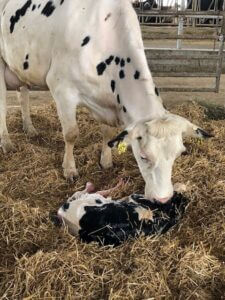 The use of reproductive hormones for ovulation synchronization protocols and timed artificial insemination (TAI) remains a crucial part of successful reproductive programs in dairy herds. However, automated monitoring devices (AMD) can be useful tools in developing novel targeted management strategies that can lead to reduced hormone use while maintaining reproductive performance. The objective of this study was to compare the reproductive performance of cows under a targeted reproductive management strategy that reduces the use of reproductive hormones with cows bred at first service and TAI and at human estrous detection for consecutive inseminations.
Study design, animals included, and treatment allocation
A total of 1,930 Holstein cows from two commercial herds in Florida were enrolled in this randomized complete block trial.
- Cows were fitted with AMD during the dry period.
- Early postpartum intense estrous events (EPIE) were evaluated via AMD within approximately 40 and 55 days in milk (DIM) for multiparous and primiparous, respectively, and cows were enrolled into two treatment groups:
- Control: all cows were bred at first service via TAI (Double-Ovsynch), with consecutive inseminations based on visual or patch-aided detection of estrus.
- Targeted reproductive management (TRM)
- Cows without EPIE were inseminated at first service similar to control cows.
- Cows with at least one EPIE were inseminated upon AMD estrous detection for at least 42 days (starting at 64 and 50 DIM for primiparous and multiparous cows, respectively).
- Cows not inseminated within 42 days were submitted to Double-Ovsynch and TAI.
- Cows were re-inseminated similarly to control cows, with the aid of AMD.
- 5-day Co-synch protocol started at 27 days after insemination, with non-pregnant cows completing the protocol.
Results
- 8% and 42.9% of TRM primiparous and multiparous cows received first service at estrous detection, respectively.
- The effect of treatment on pregnancy 67 days after first service was dependent on parity, as treatment reduced pregnancy for primiparous cows (control = 37.6%, TMR = 27.4%), but increased it for multiparous (control = 41.0%, TMR = 44.7%).
- Treatment increased re-insemination in estrus (control = 48.3%, TMR = 70.5%).
- The impact of treatment on pregnancy at 305 DIM was dependent on EPIE. Among cows without EPIE, the proportion of cows pregnant at 305 DIM was 80.8% and 88.2% for control and TRM cows, respectively. No differences were found among cows with EPIE (control = 87.1%, TRM = 86.1%).
- The number of treatments with reproductive hormones was only reduced among cows with EPIE.
In conclusion, this targeted strategy using AMD reduced the use of reproductive hormones without hurting reproductive performance in multiparous cows.
Access the paper at: https://www.sciencedirect.com/science/article/pii/S0022030223003557
Meta-analysis of the incidence of pregnancy losses in dairy cows at different stages to 90 days of gestation
A. Albaaj, J. Durocher, S.J. LeBlanc, and S. Dufour
Reproductive efficiency is directly linked to a dairy’s profitability. Cows being correctly pregnancy diagnosed must be rechecked to efficiently rebreed them in a timely manner in case of pregnancy loss (PL). The objective of the study was to further characterize PL in dairy cows by providing an updated and newly quantitative summary estimate of PL during specific periods of gestation in dairy cattle.
Data collection and reproductive outcomes
- Data were collected from 46 studies.
- 19,723 pregnancy diagnosis records for dairy cows were used.
- Transrectal ultrasound was the dominant method in the studies (a few studies also had rectal palpation, pregnancy-specific glycoprotein measurements, or interferon-stimulated gene 15 quantifications).
- 4 risk periods were set for PL: early (19 to 32 days) and late (30 to 45 days) embryonic periods, and early (45 to 60 days) and late (60 to 90 days) fetal periods.
Results
- PL for early embryonic stage (19 to 32 days) averaged 27% (95% CI = 21 to 33%).
- PL for late embryonic stage (30 to 45 days) averaged 13% (95% CI = 10 to 16%).
- PL for early fetal stage (45 to 60 days) averaged 7% (95% CI = 4 to 1%).
- PL for late fetal stage (60 to 90 days) averaged 2% (95% CI = 1 to 3%).
- PL between 28 and 110 days of gestation was 12.3%.
- PL between 29 and 90 days of gestation was 12.7%.
This study presents an overview of PL occurring in the first 90 days of gestation in dairy cows. It emphasizes the significant variation in PL rates observed during the early embryonic stage. The quantified benchmark risks presented in this study can be used to monitor PL in dairy herds, enabling the identification of both problematic and successful cases. Further investigation into the mechanisms underlying PL during specific periods will assist in developing strategies to mitigate pregnancy loss.
Access the paper at:https://www.jdscommun.org/article/S2666-9102(22)00137-5/fulltext
Use of intravaginal lactic acid bacteria prepartum as an approach for preventing uterine disease and its association with fertility of lactating dairy cows
A.M.L. Madureira, T.A. Burnett, C.T. Boyd, M. Baylão, and R.L.A. Cerri
Uterine diseases, such as metritis and endometritis, are major contributors to economic losses of dairy enterprises, as they are associated with reduced fertility and increased risk of culling. Both these conditions are caused by mixed bacterial infections, but other risk factors associated with the host or environment also influence the susceptibility of cows to uterine disease. Intravaginal infusion of probiotics has been tested with promising results and can potentially contribute to the reduced use of antimicrobials for treating uterine diseases. Therefore, the objectives of this study were to evaluate the efficacy of prepartum intravaginal administration of probiotics on the prevention of uterine diseases and assess how treatment would impact dairy cow fertility.
Study design, animals included, and treatment allocation
This randomized controlled study was conducted in 2 Canadian herds, enrolling 606 cows:
- Cows were randomly allocated into one of two treatment groups:
- Probiotic: mixture of Lactobacillus rhamnosus (2.4 × 10¹⁰ cfu), Pediococcus acidilactici (2.4 × 10¹⁰), and Lactobacillus reuteri (1.93 × 10⁹ cfu) infused into the vaginal lumen twice a week starting 3 weeks prior to expected day of calving until parturition
- Control: no intervention
- Metritis was evaluated at 6 and 12 days in milk (DIM) and was defined as the presence of a red/brownish, watery, foul-smelling discharge.
- Cytological endometritis was evaluated at 42 DIM and it was defined as the presence of ≥5% neutrophils in endometrial cytology.
- Reproductive management was performed through a mix of estrous detection through activity monitors and Ovsynch protocol.
Results
- Probiotic treatment reduced metritis incidence in only one of the herds, leading to a reduction in cytological endometritis cases.
- Probiotic administration increased the proportion of cows receiving their first insemination after estrous detection.
- Treatment improved the likelihood of pregnancy only for multiparous cows, while no effect of treatment on reproductive performance was observed among primiparous cows.
Although intravaginal probiotic administrations during the prepartum period led to reduced incidence of metritis and cytological endometritis, these results are likely dependent on farm management and characteristics, as these benefits were only observed in one of the study herds. Additionally, benefits of probiotic treatment on reproductive performance were only observed in multiparous cows.
Access the paper at: https://www.sciencedirect.com/science/article/pii/S0022030223002291
Featured Column
Beef-on-dairy strategy offers a sustainable business model
 Not so long ago, the dairy industry struggled with generating enough replacement heifers. Along came sexed semen and estrous synchronization programs, and the industry faced excess replacements.
To get replacement numbers back to a more optimal number, dairy producers started using beef semen on their lower genetic cows and heifers. However, those early beef-on-dairy crosses yielded some “not so ideal” cattle. Thus, university researchers and cooperators started studies to increase carcass value and consumer acceptance of beef x dairy crosses.
During the 2022 Dairy Cattle Reproduction Council Annual Meeting, Dale Woerner, Texas Tech University professor and Cargill endowed professor in the department of animal and food sciences, summarized research that focused on beef x dairy carcass quality. While meat tenderness, flavor, and color have improved significantly, liver abscesses remain a concern for the beef-on-dairy population.
Beef x dairy crosses replace Holstein steers
Providing a brief historical perspective, Woerner said that beef x dairy crossbreds have largely replaced the once black-and-white landscape at many feedlots that typically fed Holsteins. The more compact cattle (beef x dairy) fit in meat processing plants better and consumers like the meat, due to its tenderness and buttery, fat-like flavor.
Additionally, research showed positive results for the color stability of steaks displayed in retail settings. “Steaks from dairy cattle reached 20% surface area discoloration (i.e., browning) – a level at which consumers begin to discriminate against purchasing – at 60 hours of retail display time, whereas steaks from native beef cattle and beef × dairy crossbreds reached the same level of discoloration at 84 hours,” Woerner explained. “Plus, strip loin steaks from native beef cattle and beef × dairy crossbreds were much more similar in size and shape than steaks from dairy cattle, which are often discounted because of their angular and asymmetrical shape. Therefore, beef products from beef × dairy crossbreds can have an equal or better eating quality compared with those from native beef cattle and do not exhibit the same retail concerns of steak color and shape typically associated with beef products from dairy cattle.”
Woerner described a study in which a carcass yield test was conducted in a commercial beef processing facility at normal processing speeds. Study results provided the most recent account of carcass cutout value differences among cattle types, including native beef cattle, beef × dairy crossbreds, and dairy cattle. Due to differences in maturing rate among cattle types, carcasses were selected at a harvest endpoint for back fat thickness representative of the respective cattle type – 0.54 inch for native beef, 0.42 inch for beef × dairy cross, and 0.33 inch for dairy.
Crosses generate similar yields
On average, beef × dairy crossbreds produced red meat yields and cutout values similar to native beef cattle. However, there was less fat from beef × dairy crossbreds and less bone from native beef cattle. “Holsteins markedly produced the least red meat yield, primarily because their carcasses contained the greatest amount of bone and less muscling.”
Within each harvest lot, researchers segregated beef x dairy crosses into high- and low-yielding groups. “Increased muscling in the hindquarter – the round and loin – most greatly differentiated carcass cutout value – by up to $10 per hundredweight – between high- and low-yielding beef × dairy crossbreds,” Woerner remarked. Based on the study’s results, to optimize potential for red meat yield, harvest beef × dairy crossbreds at a back fat thickness less than that of native beef cattle. Plus, use genetics with considerable emphasis on hindquarter muscularity.
Liver abscesses remain a challenge
While significant progress has been made in improving meat quality from cattle with dairy genetics (crossed with beef), one big challenge remains. The challenge is liver abscesses and their associated impact on trimming of high-value outside skirt meat. Routinely, liver abscess prevalence is reported in more than 50% of cattle in harvest lots. “The liver abscess problem serves as the leading contributor to packer discounts applied to dairy x beef crossbreds,” Woerner stated.
Although much emphasis has been given to strategic beef sire selection for the beef × dairy crossbreeding system, Woerner said that next steps might include an evaluation of the types of dairy cows to which certain beef bulls are mated to maximize profit potential in the resulting calf. “Regardless of how beef × dairy crossbreeding evolves, this management practice has seemingly positive implications on meat quality (i.e., flavor and tenderness), meat color stability, and carcass yield, especially compared with producing an often-considered byproduct of the dairy industry – the Holstein steer,” Woerner concluded.
Featured Member
Editor’s Note: For each issue, DCRC interviews a member to learn more about his/her career, involvement with DCRC and thoughts about dairy cattle and reproduction. We encourage you to recommend someone for this feature by contacting JoDee Sattler at: JoDee@dcrcouncil.org
Vinicius Machado
Texas Tech University
Lubbock, Texas
DCRC member since 2015
 Like several other Dairy Cattle Reproduction Council (DCRC) members, Vinicius Machado grew up in Brazil. He described his “roots” as a place where agriculture drove a very large portion of the local economy. His grandfather owned a small cow-calf operation, where Machado spent most of his weekends and summer vacations. This environment fostered a love for agriculture, particularly veterinary medicine.
“It wasn’t until I moved to the United States that I truly started working with dairy cattle,” Machado explained. As a visiting scholar, he joined Rodrigo Bicalho’s lab at Cornell University, Ithaca, N.Y. From Cornell, Machado earned a PhD in 2015 and then completed a residency in dairy cattle medicine in 2017.
Joins Texas Tech staff
Next, Machado moved to Texas, where he joined the department of veterinary sciences, which is part of the Davis College of Agricultural Sciences and Natural Resources at Texas Tech University. The department was established in 2017, when he started his tenure at Texas Tech.
“The campus is located in Lubbock, which is very close to where most of the Texas and New Mexico dairy farms are located,” Machado noted. “This gives a unique opportunity to work with the local industry. However, the university does not have a large body of dairy faculty. For many years, Mike Ballou was the only dairy scientist (on the animal side). Now, the department has three faculty – mostly focused on dairy.” Clarissa Strieder-Barboza is the other dairy scientist (along with Ballou and Machado) in the department of veterinary sciences.
In addition to his research role at Texas Tech, Machado teaches three graduate-level courses – one in endocrinology and two in epidemiology. Plus, he organizes seminars and participates in other courses. “Although limited, my external service duties are focused on working with local producers through data analysis to assess their management strategies,” he commented.
Strives to improve repro efficiency
Machado’s interest in dairy cattle reproduction stems from the work he did as a veterinary student in Brazil, where he focused on management strategies to improve reproductive efficiency in cow-calf operations. “This passion for reproduction continued when I moved to the United States,” he said. “Most of my research focuses on reproductive diseases of dairy cattle.”
With a deep interest in cattle reproduction, Machado joined DCRC in 2015. “I have to admit, I joined DCRC a little late. I believe I missed out on multiple opportunities to network as a graduate student by not being a DCRC member.”
DCRC provides learning opportunities
Reflecting on what he has learned as a DCRC member, Machado recalls Julio Giordano (Cornell University) sharing ideas of individualizing cow voluntary waiting periods to maximize their potential fertility and lactation performance. “Another good memory is a producer panel in which producers shared their herds’ reproduction success stories,” he said. “It was so enlightening that they used completely different approaches to management. To me, that was a reminder that often there is more than one way to do things right.”
Given these extremely helpful DCRC experiences, Machado is a strong DCRC supporter. “DCRC is crucial for the dissemination of information to producers, veterinarians, technicians and scientists through webinars, bimonthly newsletters and annual meetings,” he stated. “Other resources, such as the DCRC website, are also great tools to keep industry stakeholders informed about the most up-to-date information related to new reproductive technologies.”
Industry Calendar
- Council on Dairy Cattle Breeding Triannual Evaluation, August 8
- North American Manure Expo, August 9-10, Arlington, Wisconsin
- National Association of County Agricultural Agents Annual Meeting and Professional Improvement Conferences, August 12-17, Des Moines, Iowa
- National Cooperator Dairy Database Workshop, August 22-24, Chicago, Illinois
- European Federation of Animal Science Annual Meeting, August 26-September 1, Lyon France
- Dairy Cattle Reproduction Council webinar (in Portuguese), September 12
- American Association of Bovine Practitioners Annual Conference, September 21-23, Milwaukee, Wisconsin
- Dairy Cattle Reproduction Council webinar (in Spanish), September 26
- National Mastitis Council webinar, September 27
- World Dairy Expo, October 1-6, Madison, Wisconsin
- Council on Dairy Cattle Breeding Industry Meeting, October 4, Madison, Wisconsin
- ADSA Discover Conference: Dairy Cattle Lifespan: New Perspectives, October 23-26, Itasca, Illinois
- Dairy Cattle Reproduction Council Annual Meeting, November 14-16, Salt Lake City, Utah
- Council on Dairy Cattle Breeding Triannual Evaluation, December 5
- National Mastitis Council Annual Meeting, January 29-February 1, Dallas, Texas
- World Ag Expo, February 13-15, Tulare, California
- Professional Dairy Producers of Wisconsin Business Conference, March 13-14, Wisconsin Dells, Wisconsin
- Central Plains Dairy Expo, March 19-21, Sioux Falls, South Dakota
- Dairy Calf & Heifer Association Annual Conference and Trade Show, April 9-11, Westminster, Colorado
