
Newsletter – 2024 – August
President's Message
By Tracy Burnett, University of Guelph, Ridgetown Campus

DCRC President, Tracy Burnett
Hello DCRC Membership!
I hope everyone is having a great summer and getting some rest.
As each month passes, we are getting closer to the DCRC Annual Meeting! We have finalized the program and registration will be open soon. The program looks outstanding this year – thanks to our Program Committee. For a sneak peek of the program, we have an excellent mix of industry and academic speakers presenting hot topics in the dairy industry. We will have plenary sessions about understanding fertility traits, health and feed efficiency, updates on what we know about the highly pathogenetic avian influenza, and a session on dairy marketing with a specific focus on the producer.
In addition to our plenary sessions, we will have breakout sessions covering everything from the survival and production of dairy replacements, employee training and retention, management strategies for re-insemination, use of technology and targeted reproductive strategies, calf rearing and early pregnancy diagnosis and embryonic losses. Also, we will have multiple producer panels that will foster engaging discussions.
Remember, the DCRC Annual Meeting is geared toward producers, industry consultants and academia – but has a definite producer focus. If you know producers who may enjoy learning about new topics within dairy cattle reproduction that is delivered in an applied, producer-friendly manner, please reach out to them and share info about the DCRC Annual Meeting.
Although our program is final, we still have room for scientific posters. If you have a research poster you think may fit well into the DCRC Annual Meeting, please contact JP Martins (jp.martins@wisc.edu).
Later this month, DCRC is hosting another webinar, which will be presented by Rafael Bisinotto, University of Florida. Delivered in Portuguese, the Aug. 22 webinar will address the use of omics data to better understand uterine microbial ecology and to mitigate the impact of metritis. If you are interested, follow this link to register: https://bit.ly/DCRCAug22Bisinotto.
I hope to see everyone at the DCRC Annual Meeting – Nov. 12-14, in Arlington, Texas! As I noted above, we are very excited about this year’s program and registration will be open soon. Please share this opportunity with your peers!
Research Summaries
Association of uterine health in the first lactation with transition cow health and reproductive performance in the second lactation of Holstein dairy cows
S. Borchardt, T.A. Burnett, M. Drillich, K. Wagener, J.G.J. van Burgstedten, and A.M.L. Madureira
Post-partum uterine disease presents a major economic challenge to the dairy industry. Puerperal metritis (PM) is a prevalent clinical uterine disease that negatively impacts reproduction and production outcomes throughout the entire lactation; however, it is unclear whether metritis is associated with detrimental impacts on subsequent lactations. The objective of this study was to evaluate the association between uterine health in the first lactation and transition cow health and performance in the second lactation. There was an association of uterine health in first lactation with health status, milk production, and reproductive performance in the second lactation. The present study provides evidence that PM in the first lactation has long-lasting negative consequences on reproductive performance.
Study population and outcomes assessed
- Diagnosis of PM was based on fetid, watery, red-brown uterine discharge and rectal temperature above 39.5° C (103.1° F).
- Two farms were enrolled in this retrospective observational cohort study (Farm A and B). In both farms, the following diseases were recorded during the first 30 days in milk (DIM) in lactation 1 and 2: clinical hypocalcemia (CH), retained fetal membrane (RFM), PM, hyperketonemia (KET), left displaced abomasum (LDA), and clinical mastitis (MAST).
- A total of 9,072 cows (4,834 from Farm A and 4,238 from Farm B) in the second lactation were considered for statistical analyses.
- On Farm A, the incidence of PM in lactation 1 and 2 was 20.1% and 11.2%, respectively. On Farm B, the incidence of PM in lactation 1 and 2 was 14.4% and 8.5%, respectively.
Results
- On both farms, cows with PM in their first lactation had greater odds for RFM (odds ratio = 1.35) and PM (odds ratio = 2.06) in their second lactation, whereas there was no association of PM in the first lactation with any other non-uterine diseases (i.e., CH, KET, LDA, and MAST) in the second lactation.
- Cows with PM in lactation 2 had reduced milk yield and the reduction in milk yield in second lactation was greater for cows that already experienced PM in lactation 1.
- On Farm A, cows with PM in their first lactation had a greater hazard for culling within 60 DIM of the second lactation (hazard risk = 1.27); however, the same association was not present on Farm B.
- Cows with PM in lactation 1 had reduced pregnancy per artificial insemination (AI) at first service in the second lactation only on Farm B. Cows with PM in lactation 2 had reduced pregnancy per AI at first service in the second lactation on both farms.
- Pregnancy loss in lactation 2 was only associated with PM in lactation 2 but not with PM in lactation 1.
- On both farms, cows had a reduced hazard for pregnancy in their second lactation (hazard risk = 0.88) within 250 DIM when they experienced PM in either lactation.
In conclusion, metritis in the first lactation had long-lasting negative consequences (i.e., risk of uterine disease and lower reproductive performance) for cows in their next lactation.
Access the paper at: https://www.journalofdairyscience.org/article/S0022-0302(24)00940-8/fulltext
Association between prepartum body condition score and prepartum and postpartum dry matter intake and energy balance in multiparous Holstein cows
S. Casaro, J. Pérez-Báez, R.S. Bisinotto, R.C. Chebel, J.G. Prim, T.D. Gonzalez, G. Carvalho Gomes, S. Tao, I.M. Toledo, B.C. do Amaral, J.M. Bollati, M.G. Zenobi, N. Martinez, G.E. Dahl, J.E.P. Santos, and K.N. Galvão
The transition into lactation is critical for dairy cow health and farm profitability, with 75% of diseases and disorders occurring during this period, resulting in only 56% of cows remaining healthy by 60 days postpartum. Reduced feed intake during this time leads to negative nutrient balance and increased risk of disease – lowering milk production and contributing to 25% of culls within the first 60 days. This study aimed to explore the relationship between body condition score (BCS) 21 days before calving and the subsequent prepartum and postpartum dry matter intake (DMI), energy balance (EB), and milk yield.
Animals, categories, and variables assessed
Data used came from 427 multiparous cows from 11 different experiments at the University of Florida – 2007 to 2017.
- They were classified by BCS 21 days pre-calving into: Fat (BCS ≥4.00; n = 83), Moderate (BCS 3.25-3.75; n = 287), and Thin (BCS ≤3.00; n = 57)
- Data Recording: Daily DMI recorded from 21 days before to 28 days after calving
- Energy Balance Calculation: Difference between net energy for lactation consumed and required
- DMI Measurements: Prepartum DMI: Fat: 21.97 ± 0.46 pounds/day (9.97 ± 0.21 kg); Moderate: 24.57 ± 0.31 pounds/day (11.14 ± 0.14 kg); and Thin: 26.27 ± 0.49 pounds/day (11.92 ± 0.22 kg); Postpartum DMI: Fat: 31.64 ± 1.08 pounds/day (14.36 ± 0.49 kg); Moderate: 34.12 ± 0.84 pounds/day (15.48 ± 0.38 kg); and Thin: 35.45 ± 1.04 pounds/day (16.08 ± 0.47 kg)
Results
- Dry Matter Intake:
Prepartum: Fat cows had lower DMI than moderate and thin cows; moderate cows had lower DMI than thin cows.
Postpartum: Fat cows had lower DMI than moderate and thin cows; no significant difference between moderate and thin cows.
- Energy Balance:
Prepartum: Fat cows: -4.16 ± 0.61 Mcal/day; Moderate cows: -1.20 ± 0.56 Mcal/day; Thin cows: 0.88 ± 0.62 Mcal/day.
Postpartum: Fat cows: -12.77 ± 0.50 Mcal/day; Moderate cows: -10.13 ± 0.29 Mcal/day; Thin cows: -6.14 ± 0.51 Mcal/day; moderate cows had a lower EB compared with thin cows pre- and postpartum.
- Milk Yield: Increasing BCS from 2.5 to 3.5 increased daily milk yield by 13.23 pounds (6 kg) and 28-day cumulative milk by 323 pounds (146.51 kg); increasing BCS from 3.5 to 4.5 decreased daily milk yield by 9.7 pounds (4.4 kg) and 28-day cumulative milk by 256 pounds (116.12 kg).
In conclusion, a moderate BCS 21 days before calving is associated with intermediate DMI and EB but results in higher milk yield compared with thinner and fatter cows. This suggests that maintaining a moderate BCS is optimal for successful lactation.
Access the paper at: https://doi.org/10.3168/jds.2023-24047
Impact of inbreeding on production, fertility, and health traits in German Holstein dairy cattle utilizing various inbreeding estimators
J. Mugambe, R.H. Ahmed, G. Thaller, and C. Schmidtmann
Inbreeding in dairy cattle, caused by mating genetically related individuals, leads to significant reductions in fitness-related traits and production, known as inbreeding depression. This study evaluates inbreeding’s effects on production, fertility, and health traits in German Holstein cattle – using both pedigree and genomic-base estimators.
Data, variables, and study design
A total of 24,489 cows with phenotypes and genotypes, and a pedigree of 232,780 animals born between 1970 and 2018.:
- Inbreeding Estimators:
- Pedigree-based: Fped
- Genomic-based:
- Genome-wide complex trait analysis (Fhat1, Fhat2, Fhat3)
- VanRaden’s method (FVR1 with observed allele frequencies, FVR0.5 with allele frequencies set to 0.5)
- Runs of homozygosity (Froh)
- Analysis:
- Single-trait linear animal models
- Threshold models for binary health traits
- Transformation of health trait solutions from liability to probability scale
Results
- Mean Inbreeding Coefficients: Ranged from -0.003 to 0.243, with most genomic-based methods showing negative values.
- Inbreeding Depression:
- 305-day milk yield: Depression of 57.2 pounds (25.95kg; Fhat1) to 89.5 pounds (40.60 kg; Fhat3) per 1% increase in inbreeding
- Fat: Depression of 2.6 pounds (1.18 kg; Fhat2) to 3.7 pounds (1.68 kg; Fhat3) per 1% increase
- Protein: Depression of 2 pounds (0.91 kg; Fhat2) to 3.2 pounds (1.45 kg; Froh and Fhat3) per 1% increase
- Calving Interval: Increase to a range of 0.19 (Fped) to 0.34 day (Fhat3) per 1% increase
- Health Traits:
- Slight gradual changes with increased inbreeding from 0% to 50%
- Digital dermatitis showed contrasting trends when compared to mastitis, which increased with inbreeding
In conclusion, this study highlights the need to use both pedigree-based and genomic-based inbreeding estimators to assess the impact of inbreeding in dairy cattle. Not all inbreeding is harmful and understanding its effects can improve dairy cattle management and breeding strategies.
Access the paper at: https://doi.org/10.3168/jds.2023-23728
Featured Column
Targeted reproductive management helps optimize reproductive performance
One size does not fit all when it comes to dairy cattle reproductive management. Thus, Julio Giordano, Cornell University animal science professor, suggests dairy producers consider targeted reproductive management (TRM), which is now possible via data-driven strategies to identify cows that share similar characteristics. Cows can be grouped based on one or more characteristics, such as genetic merit for fertility, estrous expression during the voluntary waiting period, milk production level, or early lactation health.
Giordano addressed TRM opportunities during the 2023 Dairy Cattle Reproduction Council (DCRC) Annual Meeting. He described TRM as identifying groups of cows within a herd that share similar characteristics and therefore could benefit from tailored management strategies or interventions. (Some refer to TRM as “precision” or “personalized” management.) “TRM should optimize reproductive performance, management, profitability, or all to a greater extent than if the whole herd is managed the same way,” he stated.
Two key steps provide the foundation for TRM. First, identify cow subgroups. Second, implement targeted management strategies.
To identify cow subgroups, find cows that share biological or performance potential characteristics (herein “predictors”) associated with reproductive and performance outcomes (Figure 1). Users need data from these predictors before key decision-making timepoints, such as the end of the voluntary waiting period (VWP), first service, pregnancy diagnosis, or a certain stage of lactation. Examples of biological characteristics are genetics for fertility and milk production. An example of a potential performance characteristic is the ability to express estrus after the end of VWP.
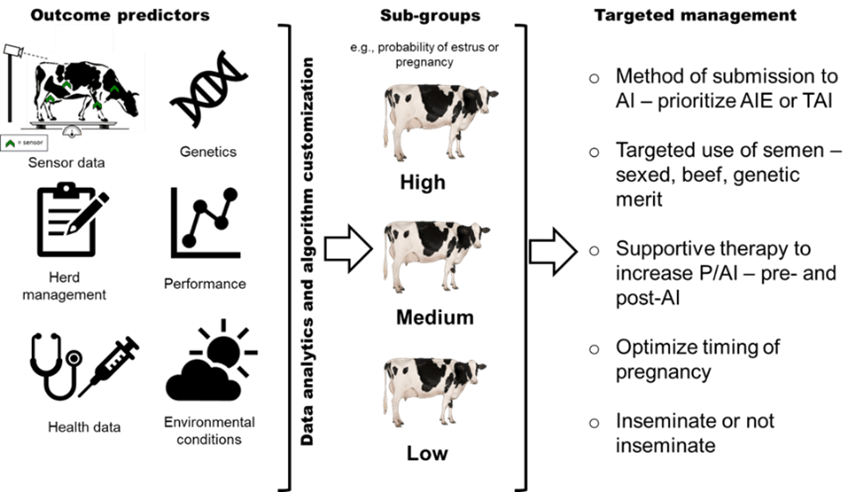
Figure 1. Conceptual framework for development and implementation of TRM strategies.
Targeted hormonal therapy, manipulating VWP duration, and targeted insemination decisions based on expected probability of success or value of pregnancy are examples of TRM (Figure 1).
“Ultimately, the expectation is that by tailoring reproductive management, greater gains in outcomes of interest (e.g., first service pregnancy per artificial insemination [P/AI], reproductive costs) will be realized than if the whole herd is under similar management,” Giordano explained.
Identifying TRM predictors
When considering potential TRM predictors, Giordano listed three features for practical application:
- be available before a decision-making point of interest (e.g., day of first AI service or the day cows must be enrolled in a synchronization of ovulation program)
- hold a strong association with outcomes of interest (e.g., cows with and without the factor have a 30-percentage-point difference in P/AI at first service)
- be collected and available for use in a simple and inexpensive way (e.g., estrous alerts available during VWP because the farm uses an automated monitoring system to monitor cow health)
Giordano noted that in the past, dairy farms didn’t generate and evaluate enough data to efficiently and profitably implement TRM. However, the recent advent of data-driven technologies now enables automated collection of data from many cows with less difficulty – and at a much lower cost. Concurrently, today’s software tools and dairy herd management software support integrated data in real-time, which facilitates on-farm implementation of data-driven TRM strategies.
As an example, Giordano explained that many automated estrous detection (AED) systems transfer automated estrous alerts (AEA) automatically to dairy herd management software that generates commands to assign cows to protocols. “In such cases, no action is needed from farm personnel and all steps to assign cows to groups and implement the tailored management strategies can be fully automated,” he said.
Giordano discussed a few predictors of reproductive outcomes that may be used in TMR.
Estrous alerts, other sensor data
Generally, cows that show estrus during VWP achieve better reproductive performance than cows that do not express estrus. Giordano cited a study that grouped lactating cows from five German farms based on the number of AEA recorded from 7 to 40 days in milk (DIM). Cows with ≥1 estrous event recorded (47% of cows) were more likely to be inseminated before 100 DIM, received first AI earlier, and had a greater pregnancy rate than cows with no AEA during VWP.
Similarly, two studies from Giordano’s group (cows had ear-attached or neck-attached sensors) found that cows with ≥1 AEA during a 50-day VWP (53% of cows) were more likely to receive AI in estrus for first service, had greater first service P/AI, and a greater pregnancy rate by 150 DIM than cows with no AEA during VWP. “Interestingly, these associations were observed for cows managed with programs designed to maximize AI in estrus or used all timed AI (TAI), suggesting that there is opportunity to implement TRM strategies when prioritizing submission of cows to AI at detected estrus or through TAI,” he commented.
Genetic fertility predictions
Giordano shared that several relevant associations have been reported for genomically enhanced predicted transmitting ability for fertility (e.g., genomic daughter pregnancy rate [gDPR], genomic merit for cow conception rate [gCCR], reproduction index [RI]) and reproductive outcomes. For example, Lima et al. (2020) reported that lactating Holstein cows managed with the Presynch-Ovsynch protocol in the highest quartile for gDPR were more likely to receive AI in estrus, had fewer days to and more P/AI to first service, became pregnant earlier, and more cows were pregnant at the end of lactation, compared with cows in the lowest quartile for gDPR.
Another study (Chebel and Veronese, 2020) showed positive correlations between gDPR with the hazard of first estrus after calving, number of estrous events before 62 DIM, and fewer days to pregnancy for Holstein cows in a confinement system.
In a study from Giordano’s research group (Sitko et al., 2023), they observed that lactating primiparous cows in the highest gDPR quartile had better reproductive performance than cows in the lowest quartile. Unlike previous studies, cows in the 2023 study were managed with reproductive programs that generated very different physiological conditions and insemination dynamics. Half of the cows were managed with a program that prioritized AI in estrus and had a short VWP (i.e., 50 days), whereas the other half was managed with a program that relied more heavily on TAI with fertility programs (e.g., Double-Ovsynch for first service) and had a longer VWP (i.e., 84 days) and more aggressive resynchronization protocol. Giordano noted that the high fertility group had greater P/AI to first service – regardless of management program, became pregnant earlier during lactation, and tended to have more pregnant cows at 200 DIM. Moreover, fewer cows in the lowest (65.5%) quartile than the highest (74.5%) quartile for gDPR received AI in estrus with the program that prioritized detection of estrus rather than TAI. As expected, cows in the medium quartiles had intermediate performance for most outcomes.
“These studies demonstrated consistent associations between reproductive performance and genomic predictions across a wide range of commercial farm management conditions and programs that prioritize AI in estrus or TAI,” said Giordano. “Thus, genomic predictions of fertility used alone or in combination with other predictors might be a suitable tool for identifying subgroups of cows for TRM.”
Herd management, health, productivity predictors
Giordano explained that any other cow characteristic, herd management practice, or occurrence of events consistently associated with reproductive outcomes could be used as a TRM predictor. One simple cow characteristic is parity, which carries associations with estrous expression and fertility probability. Additionally, management and environmental conditions, such as stocking density and heat stress, influence cows’ reproductive performance. Health disorders in early lactation typically result in fewer P/AI, reduced pregnancy rates, and increased pregnancy losses. High milk yield for cows in the same herd or managed under the same conditions has been linked to poorer reproductive performance, including fewer P/AI and decreased pregnancy rate. Thus, each one of these factors could be used for creating TRM subgroups. Giordano noted that unlike sensor-generated parameters and genomic predictions, data for several of these predictors are routinely collected or easily recorded in herd management software at no extra cost.
Combining multiple predictors
Strategies to identify subgroups of cows with larger variability in reproductive potential than through individual predictors could increase TRM’s performance, management, or profitability benefits. You could liken this approach to a genetic index.
“The greater the potential differences between groups of cows eligible for targeted management, the greater the value of tailored interventions,” Giordano stated. “Therefore, grouping cows based on levels of multiple predictors might help identify subgroups with greater differences in performance than when using a single predictor. “
In Rial et al. (2024), researchers explored how grouping cows based on combining cow features, performance, and early lactation events data with AEA recorded during VWP could be used to create TRM groups. For example, the cow group that had at least one AEA during VWP was in the medium and top tertile for gDPR, in the bottom and medium tertile for milk yield up to 50 DIM and did not have any health disorders detected by 21 DIM (i.e., had no risk factor for poor reproductive performance), had a significantly greater proportion of cows inseminated in estrus, more P/AI at first service, and more pregnant cows by 150 DIM, compared with other cows in the herd.
Giordano summarized these studies by stating, “There is evidence of several consistent associations between potential predictors of reproductive potential and outcomes of interest. The differences observed for cows grouped based on these predictors were of sufficient magnitude to justify exploration and implementation of TRM strategies. No single factor can explain all variations in a cow population. Multiple predictors might interact with each other. Combining multiple predictors might be beneficial for creating cow subgroups for TRM with larger differences in performance.”
To find more details about TRM, read Giordano’s proceedings paper, found in the DCRC Member Center. References are listed in the proceedings paper.
Featured Member
Editor’s Note: For each issue, DCRC interviews a member to learn more about his/her career, involvement with DCRC and thoughts about dairy cattle and reproduction.
Raphael Saraiva
STgenetics
DCRC member since 2016
 Meet the Dairy Cattle Reproduction Council (DCRC) Education Committee chair – Raphael Saraiva, a strategic account manager in the STgenetics’ Dairy Technical Services Team, who is based in Idaho. In his DCRC leadership role, he prepares research summaries for DCRC’s newsletter, which is published every other month (February, April, June, August, October, and December). Saraiva and the DCRC Education Committee Vice Chair Caio Figueiredo, Washington State University, diligently seek out the latest published studies that add significant value to the dairy industry.
Additionally, Saraiva helps manage DCRC’s webinars – organizing at least six informative webinars – four in English, one in Spanish, one in Portuguese. “Our goal is to provide easy access to top-tier information for everyone involved in the dairy industry,” he remarked. “We strive to invite leading professors consultants to present the most current data innovative insights – always aiming to help dairy farmers enhance their profitability success.”
Native of Brazil
Saraiva is from São Paulo, Brazil – one of the largest cities in the world. While growing up, however, his family moved through many small towns. “I spent time on small dairy properties – less than 30 cows being milked by hand – during school vacations holidays, where I gained valuable insights into daily operations,” he commented.
During his education journey, Saraiva took a “few turns.” Initially, he pursued an engineering degree and served in Brazil’s Army (after completing an Infantry Officer Training Course). Eventually, he followed his passion, completed his veterinary medicine degree and gained practical experience through internships with cattle.
After moving to the United States and conducting research at Kansas State University, Saraiva’s focus shifted to working with large dairy herds in Southwest Kansas. He immersed himself in numerous research projects addressing critical issues, such as heat stress, reproduction, prepartum diet, and mineral balance. This experience culminated in Saraiva completing his master’s degree in animal science in 2021 – focusing on reproductive physiology and epidemiology.
“I am extremely lucky to have experienced the opportunities that were given to me so that I could develop practical skills and gain good academic knowledge,” Saraiva stated. “These diverse experiences have been instrumental in bridging theory with practice – offering invaluable insights into the intricacies of dairy operations. Also, having great mentors, lab mates, co-workers, and clients helped me learn different ways that dairy operations advance their practices.”
Committed to enhancing cattle health, productivity
Saraiva’s passion for dairy cattle reproduction stems from a deep commitment to enhancing dairy cattle health and productivity. “Witnessing the direct impact of improved reproductive practices on farm profitability is incredibly rewarding,” he claimed. “I am fascinated by the entire process – from planning and implementing the best strategies for each producer to achieving their goals in heifer inventory management. Continuously improving standard operating procedures and using technology to keep reproductive performance at its peak is not just about achieving the best numbers, it’s also about ensuring maximum profitability. Being involved in the entire process keeps me highly engaged and constantly searching for new opportunities, information, and collaboration in the industry. And there is always something new coming up, which is very exciting.”
In 2016, Saraiva joined DCRC and deepened his engagement significantly in 2018 when he moved from Brazil to the United States and joined Luis Mendonca’s lab at Kansas State University. In 2021, he attended the DCRC Annual Meeting for the first time when the meeting was held in Kansas City, Mo. “I’ve made it a point to attend every year since,” he commented. “These events offer more than just the chance to learn from top industry speakers on the hottest topics. They also provide an invaluable opportunity to network with consultants, producers, professors, and students in the dairy industry.”
Remember the basics
Reflecting on his “DCRC lessons learned,” Saraiva shared two invaluable lessons. First, the basics, such as proper nutrition, precise timing of insemination, and accurate recordkeeping, are still incredibly important. “The basics form the foundation of successful reproductive programs and keep the herd in the high fertility cycle,” he shared.
Second, the integration of advanced technology is crucial for farmers aiming to achieve the best results and maximize profitability. “Technologies, such as automated estrous detection, genomic selection, and precision management tools, have revolutionized our approach – enabling us to make data-driven decisions that enhance herd health and productivity,” Saraiva remarked. “These insights have reinforced my commitment to combining foundational practices with innovative solutions to better support my clients.”
Data, transition, genetics provide opportunities for improvement
When it comes to reproductive challenges, Saraiva listed his “top three” – data, transition, and genetics. From his perspective, data management means accurately collecting and recording data in reliable software. “This is essential for identifying issues, tracking performance, and supporting informed decisions,” he noted. “Unfortunately, many software solutions fall short – making it difficult to analyze data properly, extract information efficiently, and transfer data between platforms. This often leads to delays and complications in calculating key performance metrics like pregnancy and insemination risk, or even planning the heifer inventory. DairyComp stands out as the best software available, which offers flexibility to analyze data freely and meet the specific needs of each producer – ensuring effective data management and analysis.”
When it comes to transition period management, Saraiva advises clients to dry off cows with the correct body condition score and provide optimal nutrition and care during this period. “These strategies are crucial to preventing metabolic disorders and enhancing fertility,” he said. “This critical phase demands a proactive approach to ensure cows transition smoothly, which paves the way for strong reproductive performance and overall herd productivity. Unfortunately, many dairies still struggle with managing this period effectively – leading to reduced performance in subsequent lactations.” On a regular basis, check rations, monitor body condition scores on the day of dry-off, keep cows dried off for the right amount of time, make sure they spend enough time consuming the close-up ration, and correctly implement strategies like zeolite or DCAD (dietary cation-anion difference). “These are essential steps – yet often overlooked.”
Regarding genetics, Saraiva thinks of the phrase, “pay now or pay later.” He explained that some farms maintain animals based on aesthetic appeal or breed preference – without fully understanding genetic transmission or economic impact. Conversely, others opt for the cheapest bull each breeding cycle. Meanwhile, some farms invest in advanced technologies, like IVF (in vitro fertilization) and embryo transfer, without a clear understanding of when these investments will become profitable.
“I believe we have a responsibility to deepen our understanding of genetics and share this knowledge with our clients,” Saraiva stated. “There is significant room for improvement in genetic selection and understanding its true value. In genetics, the choices we make today can affect herd productivity and profitability for years to come. It’s crucial to invest wisely in genetic advancements to ensure the long-term success and sustainability of dairy operations.”
Webinar
DCRC webinar, presented in Portuguese, focuses on uterine health
“Using omics data to better understand uterine microbial ecology and mitigate the impact of metritis,” presented in Portuguese, is the featured topic for the next Dairy Cattle Reproduction Council (DCRC) webinar. The free webinar starts at 1 p.m. Central time (Chicago time) on Aug. 22. Rafael Bisinotto, University of Florida College of Veterinary Medicine assistant professor in the department of large animal clinical sciences, will serve as the instructor for this one-hour webinar.
Despite extensive research on uterine health, the incidence of metritis and the success in treating postpartum dairy cows diagnosed with uterine diseases has not improved significantly in the last decade. Bisinotto will discuss recent data regarding the potential role of uterine microbial communities for cure following antimicrobial treatment and subsequent fertility losses. He will focus on how the evaluation of microbiome and metabolome data might open potential avenues to improve uterine health in the future.
Bisinotto graduated from the College of Veterinary Medicine and Animal Sciences at the University of São Paulo in 2007. From 2008 to 2014, he completed a master’s degree in animal molecular and cellular biology and a PhD in animal sciences at the University of Florida, both with a focus on dairy cattle reproduction. In 2015, Bisinotto worked as a post-doctoral associate at Cornell University College of Veterinary Medicine. He joined the faculty group at the University of Florida College of Veterinary Medicine in 2017. Bisinotto’s teaching and research interests focus on the understanding of reproductive biology and strategies to improve reproductive performance in dairy herds.
To register for this webinar, go to: https://bit.ly/DCRCAug22Bisinotto and follow the prompts. If you are a DCRC member and cannot attend the live program, you may access the webinar recording at www.dcrcouncil.org after Sept. 6.
For more information about DCRC’s webinars, e-mail Raphael Saraiva, DCRC Education Committee chair, at: raphael.saraiva@stgen.com.
Industry Calendar
- Farmfest, August 6-8, Morgan, Minnesota
- Council on Dairy Cattle Breeding Triannual Evaluation, August 13
- National Mastitis Council Regional Meeting, August 12-14, Ghent, Belgium
- Wisconsin Farm Technology Days, August 13, Cadott, Wisconsin
- Dakotafest, August 20-22, Mitchell, South Dakota
- Dairy Cattle Reproduction Council Webinar (presented in Portuguese), August 22
- Bottom Line Conference, August 22-23, Lakin, Kansas
- Fetch dvm360 Conference, August 23-25, Kansas City, Missouri
- Farm Progress Show, August 27-29, Boone, Iowa
- European Federation of Animal Science Annual Meeting, September 1-5, Florence, Italy
- Husker Harvest Days, September 10-12, Grand Island, Nebraska
- Big Iron Farm Show, September 10-12, West Fargo, North Dakota
- American Association of Bovine Practitioners Annual Conference, September 12-14, Columbus, Ohio
- Ohio Farm Science Review, September 17-19, London, Ohio
- National Mastitis Council webinar, September 18
- Minnesota Nutrition Conference, September 18-19, Mankato, Minnesota
- Dairy Calf & Heifer Association webinar, September 19
- World Dairy Expo, October 1-4, Madison, Wisconsin
- National Mastitis Council Webinar (presented in Spanish), October 17
- Dairy Cattle Reproduction Council Annual Meeting, November 12-14, Arlington, Texas
- Council on Dairy Cattle Breeding Triannual Evaluation, December 3
- Dairy Strong Conference, January 15-16, Green Bay, Wisconsin
- National Mastitis Council Annual Meeting, January 27-30, Charlotte, North Carolina
- World Ag Expo, February 11-13, Tulare, California
- Central Plains Dairy Expo, March 25-27, Sioux Falls, South Dakota
