
Newsletter – 2025 – June
President's Message
 And with a blink of an eye, we are almost halfway through 2025! June is the national dairy month; let’s celebrate the incredible contributions of the dairy industry to our communities, our health and our economy. This month is a time to recognize the hard work and dedication of dairy farmers and everyone involved in bringing nutritious dairy products to our tables.
Last month, I had the privilege of speaking at a conference in Brazil, addressing a large group of veterinarians and consultants about the future of the U.S. dairy industry. After discussing the dairy industry’s progress, I posed a question to the audience about how quickly technology has evolved over the past decade. While many responded with “fast” or “super-fast,” they were surprised when I suggested that technology has been evolving at a relatively slow pace. If we take a moment to reflect, this current pace is due to the tools and resources we had available in the past. However, with the advent of new technologies and the recent emergence of artificial intelligence, the speed of technological development is set to accelerate in the coming years.
Applying this concept to the dairy industry, we can better understand the rate at which technology is evolving. Technologies, such as activity sensors, genomic testing, timed artificial insemination protocols, advanced vaccines, sex-sorted semen, automated milking parlors, automated feed pushers, biodigesters, solar panel farms and precision farming, are shaping the industry’s future. Today, some cows produce 200 pounds of milk per day – a feat that seemed nearly impossible just a few years ago. The crucial question, now, is the direction we want the dairy industry to take – because it will move faster than today!
Join us November 11-13, in Wisconsin
The Dairy Cattle Reproduction Council (DCRC) provides a platform for us to discuss and shape the dairy industry’s future. Mark your calendars for Nov. 11-13, and plan to join us for the 2025 DCRC Annual Meeting in Middleton, Wis. The DCRC leadership team recently reviewed proposed topics and speakers for the program, and I am excited about what the Program Committee has put together. I look forward to seeing it come to fruition this November. Special thanks to our program committee members, JP Martin and Paula Molinari, for their hard work in organizing this year’s program.
Thanks, repro award nominators
During our annual meeting, we will also acknowledge herds with outstanding reproductive performance through our Excellence in Dairy Cattle Reproduction Awards program. This award, created in 2009, has received nominations from herds in the United States and around the world. This year, we received 134 nominations (a potential record number). I would like to thank the nominators for their nominations and am excited to learn more about the nominated producers and what makes them successful with their herds.
Cornell student wins Scholar award
Another exciting initiative of DCRC is to recognize graduate students who are making significant contributions to the field of dairy cattle reproduction. This year, we received numerous applications and our judges were highly impressed by the qualifications and exceptional quality of their research. After thorough review and careful consideration, we are pleased to announce that Ana Laplacette, a PhD candidate at Cornell University, has been selected as the 2025 DCRC Scholar. Laplacette is currently working under Julio Giordano at Cornell University, developing data-driven, targeted management programs for improving reproductive management practices and performance in dairy herds. Congratulations, Ana!
Stay up to date on DCRC programs and resources by visiting www.dcrcouncil.org. Help us spread the word about DCRC through social media: follow us on X (@DCRCouncil), Facebook and LinkedIn. Your retweets, shares and “likes” help extend the reach of DCRC’s information and programs.
By Ralph Bruno, DCRC President
Research Summaries
Targeted reproductive management for lactating Holstein cows: Reproductive and economic outcomes of Double-Ovsynch compared with a targeted approach based on resumption of estrus
Ricardo C. Chebel, Ahmadreza Mirzaei, Phillip M.G. Peixoto, Luana Factor, Ana B. Montevecchio, Rafael S. Bisinotto, Albert De Vries, Klibs N. Galvão, Todd R. Bilby, and Kristi Jones
The objectives of this randomized noninferiority clinical trial were to evaluate whether the pregnancy per AI (P/AI) of cows subjected to a targeted reproductive management (TRM) strategy for first AI was not inferior to that of cows managed with the Double-Ovsynch protocol. Additionally, the authors aimed to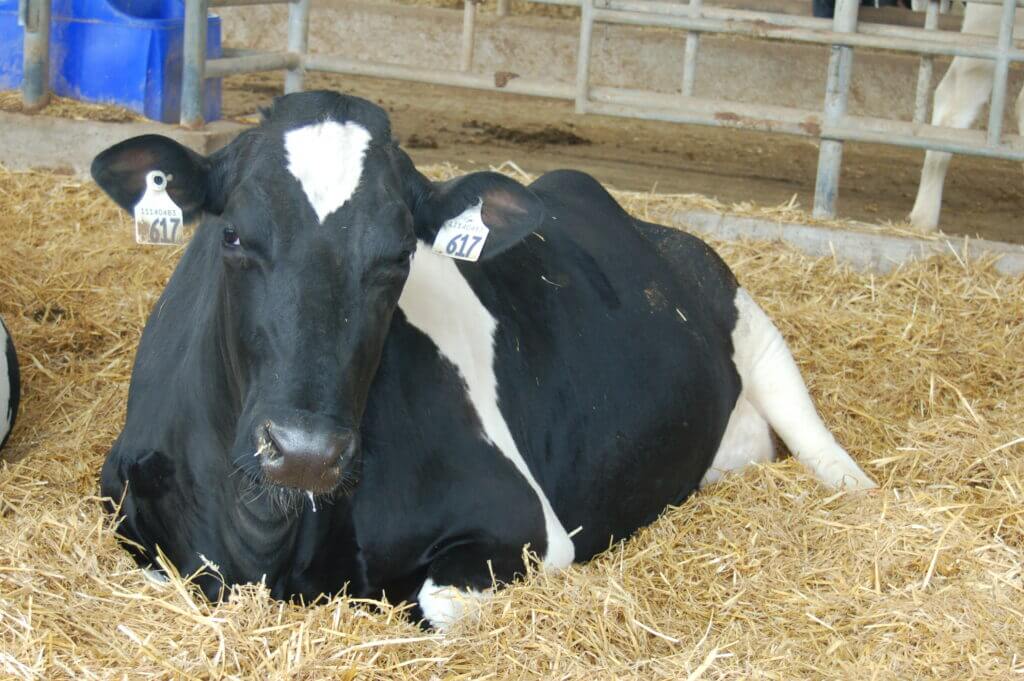 compare the effects of TRM for the first postpartum AI on the long-term reproductive and economic performance of Holstein dairy cows. Furthermore, they sought to characterize differences in progesterone concentration and ovulation during ovulation synchronization protocols (OvSP) in cows presynchronized with human chorionic gonadotropin (hCG) and Ovsynch.
Study population and outcomes assessed
- A total of 2,635 dairy cows from a commercial dairy farm in central Georgia, calving between August 2022 and January 2023, were enrolled in this study.
- All cows were fitted with automated monitoring devices (AMD) and classified based on early postpartum estrous characteristics (EPEC), as either estrual or anestrus, at 45 ± 3 days in milk (DIM).
- Cows were blocked by parity (primiparous vs. multiparous) and, for multiparous cows, by previous lactation 305-day milk yield.
- Cows in the control treatment were enrolled in Double-Ovsynch and timed AI (TAI) at 73 ± 3 DIM. Anestrous cows enrolled in the TRM treatment were assigned to the hCG-Ovsynch (TRM1) and TAI at 73 ± 3 DIM. Estrual cows received PGF2α at 60 to 73 DIM, when they were 6 to 22 days after a previous estrus, and if not inseminated in estrus within 7 days, were enrolled in the hCG-Ovsynch at 70 to 77 DIM (TRM2). Estrual cows in the TRM treatment that were ≥23 days from a previous estrus at 63 ± 3 DIM were enrolled in the hCG-Ovsynch at 63 ± 3 DIM and received TAI at 80 ± 3 DIM (TRM3).
- Pregnancy was diagnosed 32 ± 3 and 67 ± 3 days after AI. Cows were re-inseminated at AMD-detected estrus or at fixed time within 10 days after nonpregnancy diagnosis.
- The lactation gross profit was calculated.
Results
At 67 days post-AI, pregnancy per AI (P/AI) was slightly higher in the control group (53.9%) compared with the TRM group (50.1%), regardless of EPEC classification. Hazard ratios indicated a minor reduction in pregnancy likelihood for estrual cows under TRM. However, economic analysis showed no significant difference in gross profit between groups, independent of EPEC (control: US$2,196.90 ± 25.6; TRM: US$ 2,221.90 ± 26.5).
In conclusion, targeted reproductive management protocols based on AMD-detected estrus are a feasible alternative to conventional OvSP, offering comparable economic outcomes with minimal compromise in fertility. Notably, a single hCG treatment for presynchronizing anestrous cows presents a viable option, reducing protocol complexity without negatively impacting profitability. Further research in varied herds and environments is needed to confirm its broader effectiveness. Continued exploration of such strategies can help producers improve herd fertility cost effectively.
Access the paper at: Targeted reproductive management for lactating Holstein cows: Reproductive and economic outcomes of Double-Ovsynch compared with a targeted approach based on resumption of estrus
Differences in lactational performance associated with antimicrobial treatment and clinical cure failure of metritis in dairy cows
A. Martelo Pereira, F.N.S. Pereira, P.R. Menta, E.B. de Oliveira, J.G. Prim, F.S. Lima, V.S. Machado, K.N. Galvão, and C.C. Figueiredo
The objective of this study was to evaluate the differences in milk production, reproductive performance, and culling associated with antimicrobial therapy and clinical cure of metritis in dairy cows.
Study population and outcomes assessed
- Data from 2 randomized controlled trials consisting of 900 Holstein cows from 5 dairy farms in California, Florida, and Texas were used.
- Cows were examined for metritis (fetid, watery, reddish-brownish vaginal discharge; VD) at 4, 7, and 10 days in milk (DIM; study day 0). Cows diagnosed with metritis (n = 900) were randomly assigned (regardless of fever) to receive ceftiofur (CEF = 457) or to remain untreated (NT = 443).
- Clinical cure of metritis was assessed at study day 13 ± 1, based on the visual evaluation of VD; cows that underwent clinical cure displayed clear, mucopurulent, or purulent discharge (cured = 710), whereas cows with clinical cure failure had persistent fetid, watery, reddish-brownish VD (not cured = 190).
- The data were analyzed considering antimicrobial treatment, cure status on day 13 ± 1, and their interaction.
- Risk of pregnancy and culling at 300 DIM were analyzed using logistic regression, time to pregnancy and culling by 300 DIM were analyzed using Cox’s proportional hazard, and milk production within 300 DIM was analyzed using ANOVA with repeated measures. Antimicrobial treatment and cure status were included as fixed effects and farm as a random effect in all models.
Results
- Both randomized trials that generated data used in this study reported a greater risk of clinical cure associated with CEF treatment.
- Differences in risk of pregnancy at 300 DIM were associated with cure status (cured = 70.9% vs. not cured = 61.7%), but not with antimicrobial treatment or antimicrobial treatment by cure interaction.
- The risk of culling at 300 DIM was not associated with cure status, antimicrobial treatment, or antimicrobial treatment by cure interaction.
- Reduced median time to pregnancy was associated with cure status (cured = 134 vs. not cured = 154 days) but not with antimicrobial treatment or antimicrobial treatment by cure interaction.
- No interaction of antimicrobial treatment by cure status was observed on milk production.
In conclusion, clinical cure of metritis was positively associated with milk production and reproduction, regardless of antimicrobial therapy, warranting further investigation regarding selective therapy of metritis.
Access the paper at: https://www.sciencedirect.com/science/article/pii/S0022030225002826
Inbreeding affects the survival of Danish Jersey and Holstein dairy cows
S. Tenhunen, J.R. Thomasen, L.P. Sørensen, M. Kargo, P. Berg, and H.M. Nielsen
Previous studies have primarily examined the impact of inbreeding on the longevity or survival of dairy cows using pedigree-based methods. However, there has been a notable absence of research on the effects of genomic inbreeding on dairy cow survival. Emerging evidence indicates that recent genomic inbreeding may have a more detrimental effect on survival than ancient inbreeding, as it has been shown to negatively affect various dairy traits. Conversely, ancient genomic inbreeding appears to have a more neutral or even positive impact on dairy traits. Understanding this distinction is critical for designing breeding strategies that minimize the adverse effects of inbreeding depression and preserve genetic diversity in dairy cattle populations. This study evaluated the effects of pedigree and genomic inbreeding on survival in Danish Jersey (JER) and Holstein (HOL) dairy cows.
Study population and outcomes assessed
- Pedigree and genomic data used for this study were provided by the Nordic Genetic Evaluation Center (NAV), which is responsible for genetic evaluations of dairy cattle in Denmark, Sweden, and Finland.
- Pedigree data for JER consisted of 255,345 animals and HOL pedigree data had 1,068,307 animals, including parental information, sex, and birthdate. Genomic data were provided as imputed genotypes for JER and HOL. A total of 50,612 animals, comprising 15,553 JER and 35,059 HOL, were genotyped using a variety of low-density SNP chips and these were imputed to higher density by NAV.
- Culling data included culling mode, culling reason, and culling date, and were collected and used for analysis (survival probabilities and hazard risks; HR).
Results
- JER cows had survival probabilities 1.3 to 4 percentage points higher after first calving and throughout later life, along with HR 22 to 29 percentage points lower compared with HOL cows.
- Both genomic and pedigree inbreeding coefficients increased HR by 1% for each 1% increase in inbreeding.
- Survival probabilities increased with increasing breeding values.
In conclusion, these findings underscore the importance of managing genomic inbreeding to reduce overall culling risks and increase cow survival. Avoiding close inbreeding and incorporating genomic relationships into breeding programs can promote the sustainability of dairy systems.
Access the paper at: https://www.sciencedirect.com/science/article/pii/S0022030225002632?via%3Dihub
Featured Column
Reviewing and researching Resynch

Paul Fricke, University of Wisconsin-Madison professor and extension specialist
Most would agree. Ovsynch “revolutionized” dairy cattle reproductive success. While this reproductive management strategy has significantly boosted pregnancy rates, it’s not perfect. Not all cows become pregnant after the first artificial insemination (AI). So, the question remains, how do you submit cows for second and greater AI?
During the 2024 DCRC Annual Meeting, Paul Fricke, University of Wisconsin-Madison professor and extension specialist in dairy cattle reproduction, addressed management strategies for reinsemination. Fricke explained that in contrast to first AI service, submission of cows for second and greater AI requires coupling a nonpregnancy diagnosis with a management strategy to rapidly resubmit nonpregnant cows for reinsemination.
“Although an early nonpregnancy diagnosis can improve reproductive efficiency by decreasing the interval between AI services, the high rate of early pregnancy loss in lactating dairy cows limits the effectiveness of early resynchronization strategies based on an Ovsynch protocol (i.e., Resynch),” Fricke stated. One of the first Resynch studies aimed to identify the optimal interval from first timed AI (TAI) to initiation of a Resynch protocol to optimize fertility. There were challenges, including variation in cycle length among individual cows and the high frequency of early pregnancy loss. These challenges extend the interval between inseminations and increase variation in return to estrus after AI.
Activity monitoring assists with accuracy
Automated activity monitoring systems foster early and accurate identification of cows that return to estrus after AI. “A key factor affecting fertility to a Resynch protocol is the presence or absence of a corpus luteum (CL) and hence circulating progesterone (P4) concentrations at the onset of the Resynch protocol,” Fricke noted. “For cows initiating a Resynch protocol in a low-P4 environment, inclusion of an intravaginal P4 insert during the protocol can increase fertility to TAI.”
Current methods for nonpregnancy diagnosis used in conjunction with Resynch protocols include transrectal ultrasonography (TUS) and milk or serum pregnancy-associated glycoprotein (PAG) concentrations. “These strategies have led to increased fertility to Resynch protocols used on commercial dairy farms and have contributed to the increase in reproductive performance on dairy farms over the past decade,” Fricke said.
Early nonpregnancy diagnosis is key to developing an effective Resynch strategy. Fricke explained that most of today’s Resynch strategies involve treatment with PGF2α (prostaglandin) to induce luteolysis, which causes iatrogenic pregnancy loss when pregnant cows are inaccurately diagnosed not pregnant. Thus, the sensitivity and specificity of a method for nonpregnancy diagnosis becomes an important consideration for the economics of implementing an early nonpregnancy diagnostic method into a comprehensive Resynch strategy (Giordano et al., 2013).
“Although coupling a nonpregnancy diagnosis with a management strategy to quickly reinitiate AI may improve reproductive efficiency by decreasing the interval between AI services, early pregnancy loss can limit the accuracy of many direct and indirect methods for early pregnancy diagnosis,” Fricke explained. “Thus, all cows diagnosed pregnant early after insemination must have pregnancy reconfirmed at later times during gestation to identify cows that experienced pregnancy loss.”
Fricke reviewed several iterations of “early” Resynch protocol research studies. See his proceedings paper for more details about the Resynch studies.
Looking at optimal intervals
Given the success of presynchronization (Presynch-Ovsynch protocol) to enhance pregnancy rates, researchers wondered if there might be an optimal interval from an initial TAI to the initiation of a Resynch protocol. A field trial compared three intervals – first GnRH treatment at Day 19, 26, or 33 days after TAI – and continued the Ovsynch protocol if diagnosed nonpregnant using TUS 26 days after TAI. Fricke noted that the first assessment of pregnancy status was not conducted at the same interval after the Presynch-Ovsynch protocol and TAI among the three treatments.
Overall pregnancy per artificial insemination (P/AI) to the first TAI was 40% and was greater for Day 19 and Day 26 cows than for Day 33 cows. “This difference is due to a longer period during which early embryonic mortality can occur in the Day 33 cows,” Fricke noted. When pregnancy status was reassessed for all treatments 68 days after TAI, overall P/AI was 31% and did not differ among treatments. Overall P/AI to Resynch was 32% and was greater for Day 26 and 33 cows than for Day 19 cows. Researchers concluded that the most aggressive Resynch interval compared in this experiment resulted in unacceptably poor fertility compared to delaying Resynch by 7 to 14 days.
Ultimately, the idea that there is an optimal time to initiate a Resynch protocol was abandoned because of variability in cycle length among cows synchronized for first service. Cows identified not pregnant 32 days after AI with a CL at G1 have more P/AI than cows without a CL (Giordano et al., 2012; Lopes et al., 2013). In several studies, however, 16%, 22%, and 35% of cows diagnosed not pregnant 32 days after TAI and that were not presynchronized with GnRH 7 days before pregnancy diagnosis lacked a CL at G1 (Fricke et al., 2003; Giordano et al., 2015). These observations agree with the 19% of cows diagnosed not pregnant that lacked a CL greater than 10 mm in diameter in a group of cows that were synchronized for first TAI. P4 profiles and CL diameter were evaluated until a pregnancy diagnosis 32 days later (Ricci et al., 2017). Thus, Resynch protocols are initiated in a low-P4 environment in up to one-third of nonpregnant cows. Although the endocrine status and stage of the estrous cycle for these cows do not favor a proper response to Resynch, this can be remediated by implementing individual hormonal interventions or protocols known to increase fertility either before or at the time of G1.
Without a CL, cows don’t respond to Resynch
During his presentation, Fricke described several Resynch scenarios, including the presence/absence of a CL when initiating Ovsynch, presynchronization prior to starting a Resynch protocol, and short Resynch + CIDR-synch. To summarize succinctly, cows that lack a CL do not properly respond to Resynch. “This can be remediated by implementing individual hormonal interventions or protocols known to increase fertility – either before or at the time of G1,” said Fricke.
Inducting ovulation with GnRH (Carvalho et al., 2015) or hCG (Giordano et al., 2013) 7 days before initiating a Resynch protocol ensures the presence of a CL from G1 to PGF that responds to PGF by the time of induction of luteolysis. “A high-P4 environment during ovulatory follicle growth coupled with increased synchrony of ovulation is typically referred to as PreG-Ovsynch or GGPG when using GnRH, or PrehCG-Ovsynch or HGPG when hCG is used,” Fricke explained. “This leads to more P/AI.”
A benefit of PreG- or PrehCG-Ovsynch for resynchronizing cows with no CL is that the same P/AI can be reached without exogenous P4 supplementation (Dewey et al., 2010). The latter is typically more tedious to implement and more expensive than a single GnRH or hCG treatment. However, a drawback is that the interservice interval is 7 days longer than protocols with exogenous P4 supplementation. Although extending the interservice interval is not desired, the extension caused by the PreG-Ovsynch protocol did not reduce the hazard of pregnancy when cows with no CL at 39 ± 3 days after AI received this protocol versus Ovsynch with P4 supplementation (Giordano et al., 2013).
Diagnosing pregnancy and initiating Resynch
Fricke noted that there are two basic strategies for diagnosing pregnancy and initiating Resynch. One option is to conduct pregnancy diagnosis before initiating Resynch. The second option is to diagnose pregnancy 7 days after administering the first GnRH treatment of a Resynch protocol. “Choosing between these two Resynch variations depends on the reproductive management goals of the dairy farm,” Fricke stated. For more details, go to page six of Fricke’s proceedings paper. In addition, he explains the “Short Resynch + CIDR-synch” strategy, along with related research studies.
Not willing to rest on their laurels, dairy cattle reproduction researchers continue to study new strategies and technologies pertaining to early nonpregnancy diagnosis and Resynch. Fricke noted that a new Resynch program synchronizes luteolysis in nonpregnant dairy cows using exogenous oxytocin treatment around the time of luteolysis initiation (Andrade et al., 2024a). This protocol – ReBreed21 – involves treatment with exogenous oxytocin on days 18 and 19 after AI. Next, milk progesterone concentration is evaluated on Day 20 and cows with low progesterone concentrations are reinseminated on Day 21. “Unfortunately, this protocol decreased P/AI at first TAI – indicating that luteolysis was induced in some cows that were pregnant (Andrade et al., 2024b),” Fricke commented. “Further optimization of this protocol in lactating dairy cows may allow for insemination every 21 days.”
In the future, Fricke believes early nonpregnancy diagnosis may occur by monitoring a biomarker associated with pregnancy. This biomarker could be found via an in-line milk sensing device during a dairy’s normal milking periods. Additionally, this type of technology could monitor physiological conditions, such as cyclicity status, nonpregnancy, pregnancy, and pregnancy loss. Then, each cow’s status could be reviewed regularly (e.g., daily, weekly) via a computerized dairy management software system.
“This would allow dairy managers to implement strategies to establish, maintain, or attempt to re-establish pregnancy,” Fricke remarked. “Weekly lists of cows could then be generated to confirm these outcomes based on these data, thereby streamlining and greatly diminishing the need to restrain and check all cows in the breeding groups on a weekly basis.”
To read Fricke’s complete DCRC Annual Meeting proceedings paper, log into the DCRC Member Center. References are provided in the paper.
Featured Member
Editor’s Note: For each issue, DCRC interviews a member to learn more about his/her career, involvement with DCRC and thoughts about dairy cattle and reproduction.
JP Martins
University of Wisconsin-Madison
DCRC member since 2013
 Despite being born and raised in Rio de Janeiro, Brazil, which is large urban center with limited exposure to agriculture, JP Martins developed a keen interest in dairy cattle at a young age. When he was 12 years old, his parents bought a small dairy farm with 20 cows in Minas Gerais – Brazil’s leading dairy state. In addition to dairy cattle, the Martins family raised beef cattle, horses, and chickens. “This hands-on experience with animals sparked my interest in veterinary medicine,” Martins stated, who is now an assistant professor in the University of Wisconsin’s School of Veterinary Medicine.
Martins attended veterinary school in Brazil, where he focused on bovine medicine, particularly reproduction. After graduation, Martins worked as a bovine practitioner for a couple years. His desire to deepen his understanding of advanced reproductive technologies led him to pursue graduate studies in the United States.
At Michigan State University, Martins earned master’s and PhD degrees in bovine reproductive physiology. Following graduate school, he spent two years as a dairy extension advisor with the University of California Cooperative Extension in Tulare, providing science-based support to dairy producers and veterinarians in Tulare, Kings, and Kern counties. In August 2018, Martins joined UW-Madison’s School of Veterinary Medicine staff – specializing in bovine reproduction.
UW-Madison’s School of Veterinary Medicine is a nationally recognized leader in veterinary education, research, clinical service, and public outreach. Ranked among the top five veterinary schools in the United States, it plays a vital role in training nearly 100 veterinarians each year. “Our school has a significant impact on preparing the next generation of bovine practitioners, with a strong emphasis on dairy production medicine,” Martins remarked.
Blending teaching, research, outreach
As an assistant professor, Martins’ role is a blend teaching, research, and outreach. “I coordinate and teach the fourth-year clinical rotations Dairy Skills 1, 2, and 3, and I also instruct first- through third-year veterinary students in bovine reproduction,” he explained.
“My research centers on improving reproductive performance in lactating dairy cows, with specific interests in ovarian follicle development, luteolysis, embryonic, and fetal development, pregnancy maintenance, and ovulation synchronization strategies,” said Martins. “I focus on developing and applying practical reproductive management tools that can enhance fertility on commercial dairy farms.”
Martins’ outreach work involves translating scientific advancements into on-farm solutions. “I regularly collaborate with dairy producers, veterinarians, and industry professionals to troubleshoot reproductive inefficiencies and deliver science-based recommendations to improve herd fertility,” he commented.
Reproduction: Fundamental to sustainability
Why is Martins interested in dairy cattle reproduction? “Reproductive performance is fundamental to dairy farm productivity, profitability, and sustainability,” he stated. “But beyond its practical importance, I find the biology of reproduction deeply fascinating – the creation of new life through the union of two gametes is a complex and awe-inspiring process. Despite decades of research, many aspects of reproduction remain poorly understood – offering exciting opportunities for new discoveries, innovations, and applied technologies that can benefit the dairy industry.”
Serving as DCRC Program Committee chair
“This year, I have the privilege of serving as the DCRC Annual Meeting Program Committee chair,” he said. “I’m excited to help deliver a refreshed and engaging program that brings together experts from academia, industry, and the field.”
With a strong focus on education, DCRC influences dairy cattle reproduction advancements. Martins explained that DCRC serves as a vital bridge between the latest scientific research and the practical realities of dairy production. “By connecting academia and industry with producers, veterinarians, AI (artificial insemination) technicians, and farm managers, DCRC helps ensure that research-based innovations are implemented effectively on the farm. This unique synergy drives continual improvement in reproductive performance across the dairy industry.”
Martins shared two “pillars of understanding” he gained through DCRC. “First, DCRC’s programming continually reinforces the multifactorial nature of reproductive performance. The integration of cutting-edge science with real-world applications across nutrition, health, management, and personnel highlights the importance of a holistic approach to improving fertility,” he stated.
“Second, DCRC shows how powerful the collaboration between academia and industry can be in solving practical on-farm challenges. DCRC meetings consistently present actionable insights, rooted in research, that directly address common problems faced by producers and farm workers. This balance makes DCRC an invaluable resource for continued learning and practical impact.”
Repro performance soars: Thanks to DCRC
Martins added,” Over the past 25 years, reproductive performance in U.S. dairy herds has improved dramatically – thanks in no small part to the work of DCRC and its members. Today, the challenge is sustaining these high levels of reproductive efficiency as herd sizes grow and per-cow milk production increases.”
He continued, “The biggest hurdle may lie in optimizing reproductive performance – maintaining high service and conception rates while minimizing pregnancy losses – with increasingly limited labor. The key will be leveraging data, technology, and strategic management to maintain fertility and maximize economic returns in a dynamic production environment.”
Webinar
DCRC’s July 11 webinar focuses on placental development
Register for the Dairy Cattle Reproduction Council’s (DCRC) next webinar – Decoding key dynamics of placental development using single-cell omics technologies – set for July 11, starting at 2 p.m. Central time (Chicago time). Kimberly Davenport, Washington State University assistant professor, functional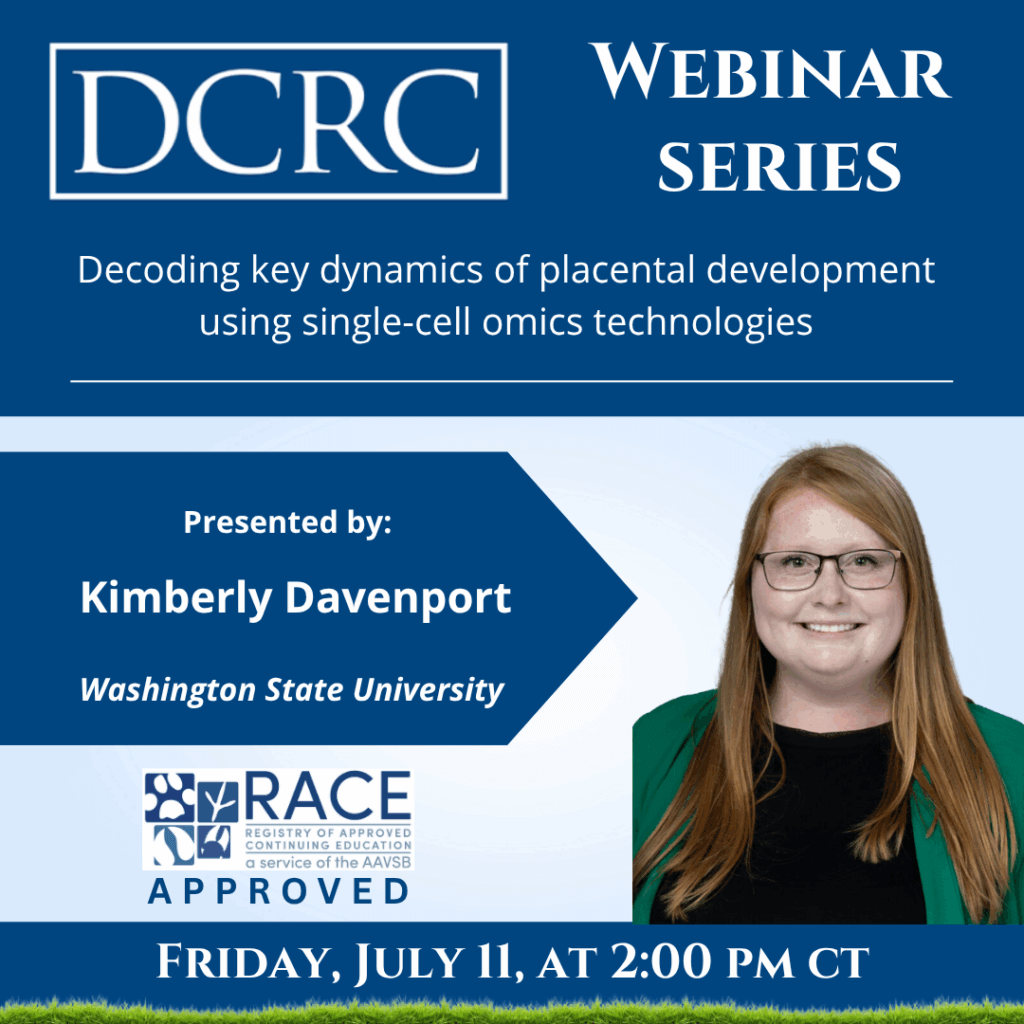 genomics, will lead the free, one-hour webinar.
Pregnancy loss in cattle imposes a significant financial burden on producers. Successful pregnancy relies on many different biological processes, including the development and maintenance of the placenta. The placenta facilitates nutrient transport, gas exchange and waste removal, and serves as the primary interface between the mother and fetus. Disruptions in placental development can lead to pregnancy failure, clearly highlighting the need to identify essential mechanisms that support pregnancy. Understanding these processes, both those unique to cattle and those shared across species, may reveal key genes and genomic regions for improved genetic selection and novel strategies to reduce pregnancy loss. This webinar will explore mechanisms driving placental development in cattle using single-cell RNA and ATAC sequencing as well as cross-species comparisons at single-cell resolution.
Go to: https://bit.ly/DCRCWebJuly11 to register for this DCRC webinar. If you are a DCRC member and cannot attend the live program, you may access the webinar at www.dcrcouncil.org by July 25.
Davenport joined the Washington State University staff in 2023. Prior to that, she completed a postdoctoral fellow in reproductive and developmental biology at the University of Missouri. She earned her PhD in animal physiology, master’s degree in animal science and bachelor’s degree in animal and veterinary science – all from the University of Idaho.
Veterinarians may earn one Registry of Approved Continuing Education (RACE) credit for attending this DCRC webinar. To learn more about this opportunity, contact JoDee Sattler at: jodee@dcrcouncil.org.
For more information about DCRC’s webinars, e-mail Caio Figueiredo, DCRC Education Committee chair, at: caio.figueiredo@wsu.edu or e-mail DCRC at: jodee@dcrcouncil.org.
Industry Calendar
- Four-State Dairy Nutrition and Management Conference, June 11-12, La Crosse, Wisconsin
- Precision Dairy Conference, June 17-18, Bloomington, Minnesota
- American Milking Shorthorn Society National Convention, June 18-21, Manchester, Iowa
- ADSA Annual Meeting, June 22-25, Louisville, Kentucky
- IDFA Leadership Symposium, June 23-26, Madison Wisconsin
- Holstein Association USA National Convention, June 23-26, St. Louis, Missouri
- American Jersey Cattle Association and National All-Jersey Inc. Annual Meetings, June 25-28, Lexington, Kentucky
- Brown Swiss Convention, June 25-28, Lebanon, Pennsylvania
- DCRC webinar: Decoding key dynamics of placental development using single-cell omics technologies, July 11
- World Brown Swiss Conference, July 15-20, Bogota, Colombia
- International Society for Animal Genetics Conference, July 20-25, Daejeon, South Korea
- National Mastitis Council Regional Meeting, July 22-24, Rochester, New York
- Council on Dairy Cattle Breeding Triannual Evaluation, August 12
- 8th International Symposium on Energy and Protein Metabolism and Nutrition, September 15-18, Rostock-Warnemünde, Germany
- World Dairy Expo, September 30-October 3, Madison, Wisconsin
- Dairy Cattle Reproduction Council Annual Meeting, November 11-13, Middleton, Wisconsin
- Council on Dairy Cattle Breeding Triannual Evaluation, December 2
- 4th International Precision Dairy Farming Conference, December 3-5, Christchurch, New Zealand
- National Mastitis Council Annual Meeting, January 26-29, Birmingham, Alabama
- World Ag Expo, February 10-12, Tulare, California
- Central Plains Dairy Expo, March 17-19, Sioux Falls, South Dakota
- Dairy Calf & Heifer Association Annual Conference and Trade Show, April 7-9, Tucson, Arizona
